
- Lead. US Treasury Secretary Scott Bessent and Trade Representative Jamieson Greer will sit down with Chinese Vice Premier He Lifeng in New York on Sunday, a session designed to clear the ground before President Trump meets President Xi in Washington on September 24.
- Fact. A senior US official told reporters on Friday that China’s performance on rare earth magnet shipments has been “not up to par” — framing the meeting as a delivery-check on commitments Beijing has not fully met.
- Stake. The two sides are discussing a potential $30 billion mutual tariff reduction framework and an extension of a trade truce that expires on November 10; a breakdown in rare earth flows could derail both the summit and a fragile commercial détente.
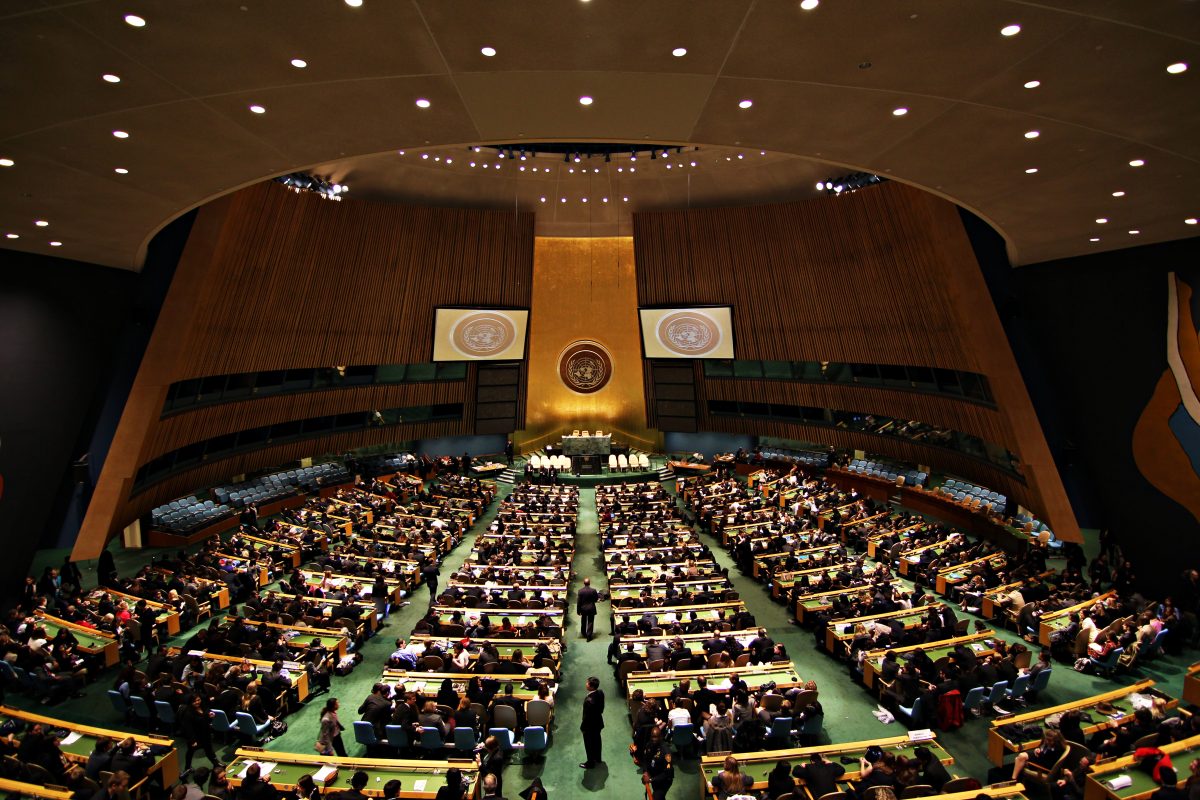
With five days remaining before Donald Trump and Xi Jinping are scheduled to meet at the White House on September 24, the diplomatic machinery is moving to New York. Scott Bessent and Jamieson Greer — the two senior US officials handling economic relations with Beijing — will hold talks on Sunday with Vice Premier He Lifeng, China’s top economic policymaker, according to multiple reports published on September 19. The meeting is taking place on the sidelines of the United Nations General Assembly, where both delegations are present.
The Rare Earth Fault Line
Rare earth magnets and critical minerals have become the sharpest sticking point heading into the summit. A handful of Chinese suppliers have refused to ship rare earth magnets to US companies since early August, a restriction that has grown more severe in recent months as tariff escalation on both sides intensified. The US defence and technology industries rely on Chinese-processed rare earths for applications ranging from guided munitions to electric-vehicle motors. On Friday, a senior US official said publicly that China’s performance on its commitments in this area has been “not up to par” and that the subject would be directly raised with He Lifeng on Sunday.
The disclosure is an unusually blunt pre-meeting warning. Rather than allow the summit to open without a shared baseline, Washington appears to be using the New York talks to extract a concrete improvement on rare earth flows before the two leaders sit down. Bessent posted on the social network X on Friday that the discussion would cover rare earths, agricultural purchases and broader economic commitments.
What Is on the Table
Beyond the minerals dispute, the Sunday session is expected to advance two interlocking commercial tracks. The first is a tariff reduction framework covering roughly $30 billion worth of products on each side — a partial rollback designed to provide visible political deliverables for both capitals at the September 24 summit. The second is an extension of the trade truce set to expire on November 10, which, if not renewed, would trigger another round of duty increases on both sides just as US midterm elections approach.
China’s rare earth leverage sits squarely across both tracks. Beijing has periodically tightened or relaxed critical mineral exports in tandem with the state of trade negotiations, using supply disruptions as a pressure tool. The latest halt in shipments follows a pattern that the Trump administration has sought to break by making minerals a named precondition for any deal, rather than a separate bilateral grievance. Whether Sunday’s session produces a firm commitment before the leaders meet will in large part determine the tone and substance of the September 24 summit.