
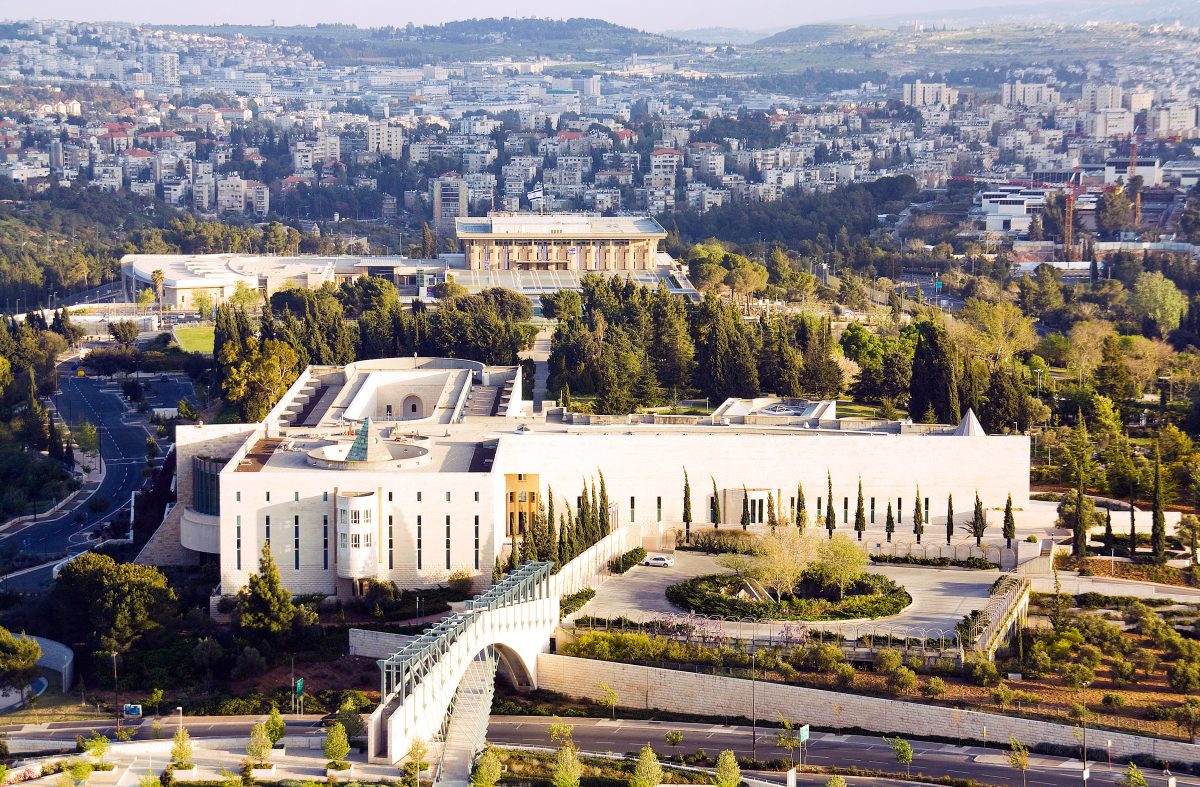
- Ruling. Israel’s Supreme Court unanimously reversed a ban on two Arab electoral lists competing in the October 27 Knesset election, reinstating Ra’am and the Joint List days after the Central Elections Committee excluded them.
- Scope. Arab citizens make up roughly 20 percent of Israel’s population; their parties have historically held 10–15 seats in the 120-seat Knesset, and their exclusion would have removed a significant bloc from the ballot.
- Stakes. The decision preserves a legal norm the court has defended since 2003: that disqualifying an entire party requires a very high evidentiary bar, one the committee’s 18-5 vote did not meet.
Israel’s Supreme Court voted unanimously on October 2 to overturn the Central Elections Committee’s disqualification of the Ra’am (United Arab List) and the Joint List — a Hadash-Ta’al-Balad alliance — from the upcoming general election. The committee had voted 18 to 5 on September 23 to bar both lists, citing their opposition to Israeli military operations in Gaza as evidence of support for terrorism.
What the Court Decided
Supreme Court President Yitzhak Amit wrote that the committee’s decision had not met the legal threshold required to strip a party of its right to run. The nine-judge panel also voted 7-2 to reinstate Ofer Cassif, a Jewish Knesset member from Hadash who had been disqualified individually. The court’s ruling landed as a rebuke to National Security Minister Itamar Ben-Gvir, who had been among the most prominent voices urging the committee to act.
The exception involved Sami Abu Shehadeh, a candidate on the Joint List and leader of the National Democratic Assembly (Balad) faction. The court advised his disqualification should proceed on narrower individual grounds, and Abu Shehadeh announced Thursday evening that he was withdrawing from the ballot. “I was disqualified because I think differently, because I have a different narrative on how to read history,” he said, calling the process “a historical catastrophe for democracy.”
Why the October Election Is Polarised
The October 27 election — the first to run a full four-year term without early dissolution since 1988 — is being fought primarily as a referendum on Prime Minister Benjamin Netanyahu and his handling of the Gaza war and its political aftermath. Thirty-eight parties have registered to compete, following months of internal mergers ahead of the September 8 registration deadline.
The coalition’s decision to push the committee toward disqualification reflected a broader strategy: shrinking the effective vote pool among Arab citizens, who trend heavily toward Arab-majority parties. With the combined right-wing bloc needing to hold 61 seats for Netanyahu to remain in office, every percentage point of turnout among Arab voters carries electoral weight.
Precedent and Limits
The Supreme Court has historically set a high bar for disqualifying parties under Israel’s Basic Law, requiring proof that a party explicitly denies Israel’s democratic or Jewish character, or actively supports an armed struggle against it. Friday’s ruling reaffirmed that standard. Political analysts noted, however, that the episode will cast a shadow over voter confidence heading into the final three weeks of the campaign.
The result leaves intact a roster of Arab candidates who can campaign openly — though the partial withdrawal of Balad’s leader has reduced the Joint List’s profile. For context on the wider international response to Israeli policies in the occupied territories, see the earlier wave of settlement-goods trade bans that followed the escalation in Gaza.