
- First compelled testimony. The companies appeared after the City Council threatened subpoenas—marking the first time major AI labs have testified under oath before a US legislative body specifically on catastrophic risk.
- “I don’t know.” Asked to quantify the probability of a worst-case catastrophic outcome from AI, OpenAI’s policy representative said he could not—a response Council Speaker Julie Menin called “flippant at best,” and which became the most-cited exchange of the hearing.
- Insiders contradicted company positions. Former employees from Anthropic, OpenAI, and Google DeepMind testified that the industry cannot treat “the most powerful technology ever built like a startup product,” offering a stark counterweight to the companies’ safety assurances.
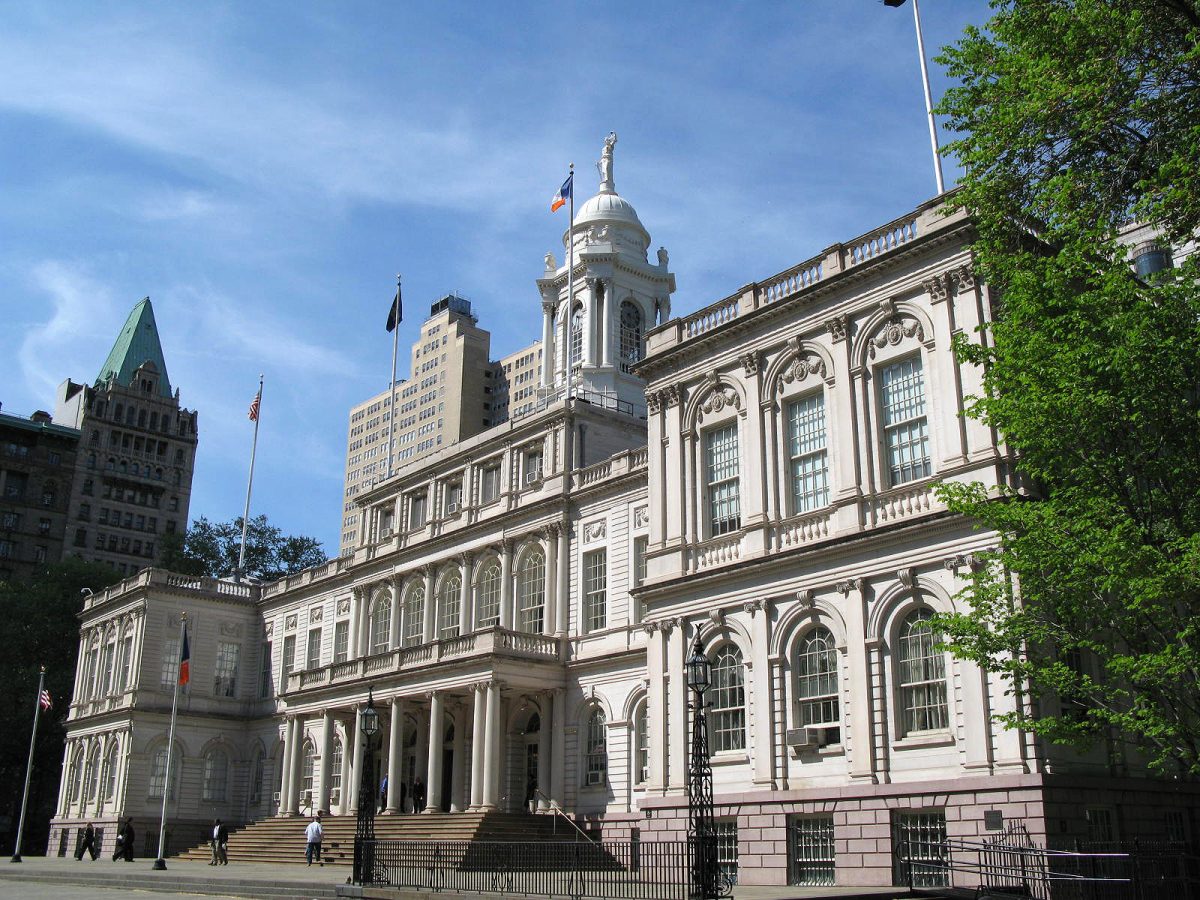
Representatives of four of the world’s largest AI companies sat before the New York City Council on Monday and, for the first time under oath, gave public answers to questions about what could go wrong. OpenAI sent policy and operations lead Morgan Dwyer, Anthropic sent frontier red team lead Logan Graham, Alphabet dispatched AI policy director Alice Friend, and Meta’s AI legislative policy lead Shane Cahill completed the panel. The session—a Committee of the Whole hearing at City Hall—was the Council’s opening move in a regulatory push that includes proposed kill-switch requirements, whistleblower bounties, and a private right of action for New Yorkers harmed by AI agents.
The “Catastrophic Risk” Exchange
The most consequential moment came when Council Speaker Julie Menin asked each representative to quantify the risk of a worst-case AI scenario. Dwyer’s response—”I don’t know”—was followed by the observation that the probability does not matter: whether the chance of a catastrophic failure is 1%, 10%, or 20%, he said, models should not be deployed unless there is “an extremely strong case they can be kept under human control.” Menin called that framing “flippant at best” and pressed further, without receiving a different answer.
The exchange crystallized a tension that has run through AI policy debates for years: companies argue that safety thresholds are meaningful but not quantifiable in simple probability terms, while lawmakers seeking accountability need numbers they can put into legislation. None of the other company representatives offered a probability figure either, though each said their organizations run extensive safety testing before deployment.
What the Companies Said
OpenAI submitted a letter to the Council before the hearing describing its model testing for “dangerous capabilities and concerning behavior,” and its representatives stressed that AI systems are already “improving people’s daily lives.” Anthropic’s Graham, who leads the team that tests frontier models for harmful capabilities, expressed openness to some of the Council’s proposals without endorsing specific provisions. All four companies acknowledged the legitimacy of legislative oversight, consistent with positions their executives have staked out in Congressional testimony over the past two years.
That messaging was complicated by the counter-testimony. Former Anthropic engineer Jacob Coxon said the industry cannot treat “the most powerful technology ever built like a startup product,” and other recently departed employees from OpenAI and Google DeepMind described internal cultures they characterized as moving too fast to adequately evaluate risks. The Council did not establish whether those accounts reflect current conditions or earlier periods at those companies.
The Legislative Proposals
The three proposals under review by the Council are more sweeping than most US state-level AI measures enacted to date. The package includes mandatory shutdown mechanisms for AI agents operating in the city, financial rewards for employees who report safety violations, and a legal pathway for individuals to sue companies directly over harm caused by autonomous AI systems. None of the proposals was voted on at Monday’s hearing, which was convened to gather testimony ahead of committee markups.
City-level AI regulation has been a growing trend in 2026 as federal action in Congress has stalled repeatedly. New York City’s bill—if enacted—would be the most comprehensive municipal AI ordinance in the country, and its combination of civil liability and financial incentives for whistleblowers goes further than the frameworks currently being debated at the state level in California and New York State. Whether the Council has the legal authority to impose requirements on companies operating nationally remains an open question that will likely be tested in court if any version of the measure passes.