
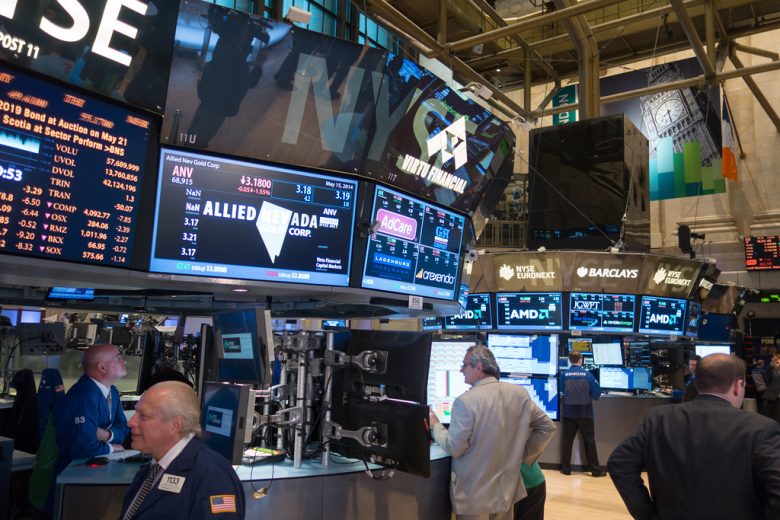
- Lead. US equities closed Friday with gains across all three major indexes, capping a volatile week in which the S&P 500 came within striking distance of a record as the 10-year Treasury yield held near 5.25% — a 24-year high.
- Fact. The S&P 500 rose 0.59% to 7,811.54; the Dow added 423 points to 51,654.95; and the Nasdaq gained 0.64% to 27,366.17. All three posted weekly gains despite a sharp Thursday selloff triggered by a revenue scare at OpenAI.
- Stake. Earnings season begins Tuesday 13 October with the major Wall Street banks reporting, and investors face a week in which September CPI data (due 14 October) and bank results will together determine whether the Fed’s rate path and equity valuations can coexist above 5% yields.
The week’s dominant theme was the collision between elevated long-term borrowing costs and an equity market that has refused to price in a meaningful risk premium. The 10-year Treasury yield touched 5.25% earlier in the week — levels last seen in 2002 — before edging back on Friday after President Trump announced a Russian diesel supply deal, which pushed energy futures lower and briefly improved risk appetite.
Brent crude settled around $104 per barrel on Friday, down from a weekly high above $106. Oil has nevertheless remained a persistent source of pressure on corporate margins; Delta Air Lines reported third-quarter adjusted earnings per share of $1.72, below the $1.82 analyst consensus, after its fuel bill rose 62% from a year earlier. Delta’s stock closed roughly flat, as revenue also came in just under forecasts at $17.58 billion.
Consumer Sentiment Hits Five-Month Low
The University of Michigan’s preliminary consumer sentiment index for October came in at 46.3, below the 48 expected and the lowest reading since May. Survey respondents cited cost-of-living pressure — especially fuel and grocery prices — as the primary source of pessimism. The figure adds to a body of data suggesting the consumer spending resilience that has underpinned GDP growth through the first three quarters is beginning to erode.
Thursday’s session had been particularly bruising for technology stocks after a report suggested OpenAI’s annualised revenue was running roughly $20 billion below previous public estimates. The selloff reversed on Friday after Bloomberg reported that OpenAI expects at least $70 billion in annualised revenue by year-end, with enterprise revenue having grown more than 100% since July.
Bank Earnings Season Opens
All eyes now turn to Tuesday 13 October, when JPMorgan Chase, Wells Fargo, and several other major banks report third-quarter results. Goldman Sachs, Morgan Stanley, and Citigroup follow later in the week. The banks will offer the first concentrated look at how the September Federal Reserve rate increase has affected net interest income, loan demand, and credit quality — as well as how their trading desks performed through a period of significant bond and oil market volatility.
The Nasdaq’s move to record highs in late September while yields were climbing reflected investor confidence in AI-driven earnings growth overriding rate headwinds. Whether that confidence survives the combination of September CPI data and bank earnings — both arriving in the same week — will define the tone for the fourth quarter. The S&P 500 slip earlier this week served as a reminder that the Hormuz situation and oil prices remain live risks to the rally.
What Comes Next
The Federal Reserve next meets on 28 October. Markets are currently split on whether it will raise rates a second time this year to 4.00%–4.25%, with the outcome likely to hinge on the September CPI print due 14 October and any forward guidance in the bank earnings conference calls. The 10-year yield’s behaviour between now and the Fed meeting will be closely watched: at 5.25%, it is already doing some of the Fed’s work for it by tightening financial conditions, which may reduce the urgency for a further official move.