
- Lead. Russia struck at least six Ukrainian energy facilities and wounded 33 people within hours of Donald Trump declaring an energy ceasefire on October 11 — the second time in a month a presidential announcement of a halt to energy-infrastructure attacks was followed immediately by Russian strikes.
- Fact. Foreign Minister Sergey Lavrov explicitly rejected any pause in Russia’s military campaign, saying Moscow would not be buying into assurances and promises again.
- Stake. The episode further strains Trump’s mediation credibility ahead of the October 27–28 FOMC window and with European allies who, the same day, approved the largest EU sanctions package against Russia since 2022.
On Sunday October 11, Trump announced via Truth Social that Russia and Ukraine had agreed to stop attacking each other’s energy infrastructure, effective immediately. Ukraine said it had not been consulted before the announcement and caught off guard by it. Zelenskyy said Kyiv was ready to sign guarantees if Moscow did the same, and that Ukrainian forces had not targeted Russian refineries overnight as a show of good faith.
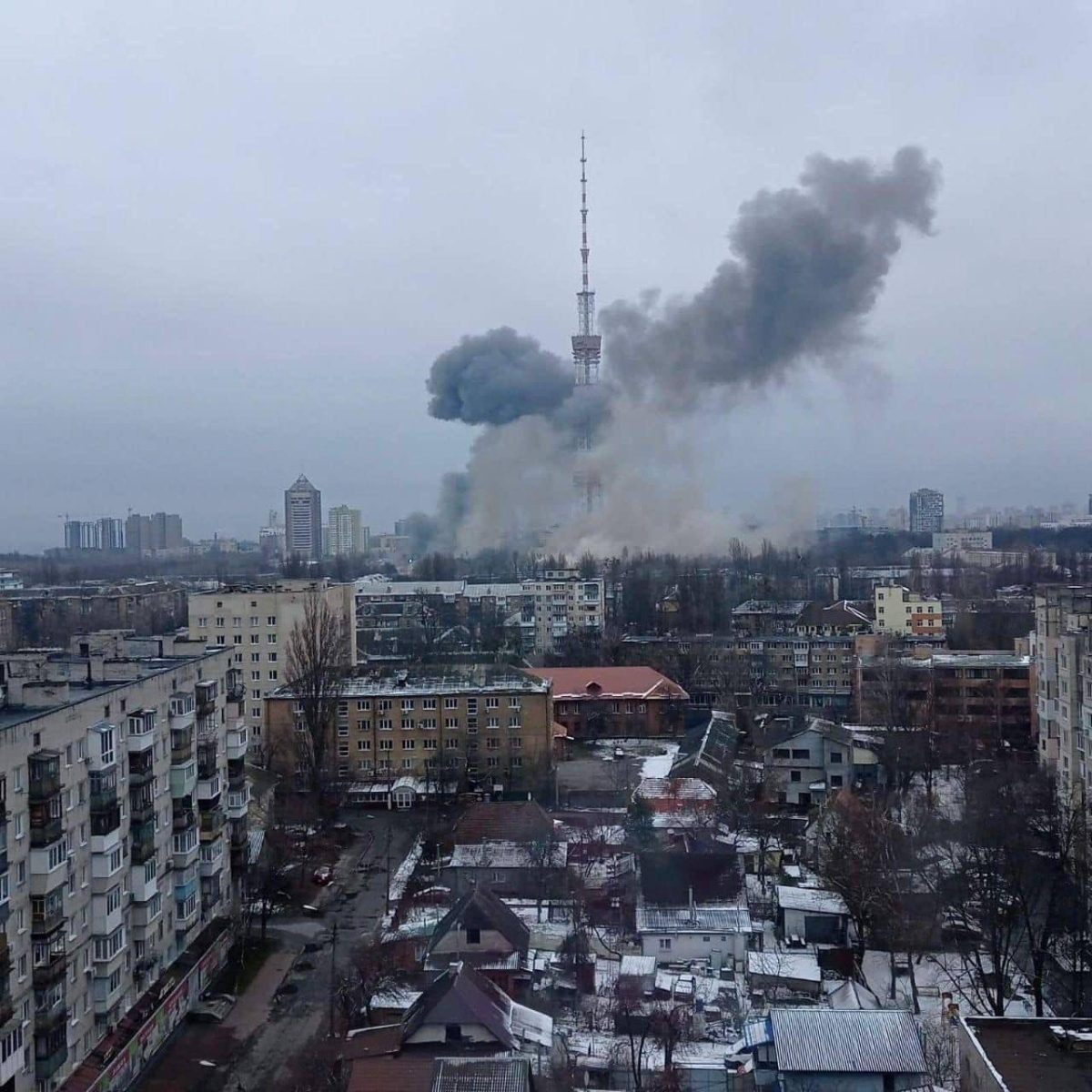
Russian forces struck within hours. According to Ukrainian officials cited by Al Jazeera on October 13, at least six energy facilities were hit across the country, wounding 33 people. Zelenskyy said the targets included a gas production facility and a civilian filling station, in addition to power generation infrastructure. By Monday, he said it was increasingly evident Moscow would not comply.
Kremlin Refuses to Confirm a Deal Exists
Kremlin spokesman Dmitry Peskov declined to say whether Russia had agreed to any halt, stating only that contacts are ongoing. Lavrov was more direct, rejecting not only an energy pause but Zelenskyy’s separate proposal for a 60-day truce that would allow Ukrainian elections to take place. He said Russia would press ahead with military operations regardless of diplomatic statements from Washington.
Trump, confronted Monday with the strikes, acknowledged violations on both sides while maintaining that a ceasefire remained in place. The pattern is familiar: a similar Trump announcement on September 14 that both sides had agreed not to hit energy infrastructure also produced no Kremlin confirmation and was followed by continued attacks.
Europe Tightens Sanctions
EU foreign ministers meeting the same day approved a fresh round of restrictive measures adding approximately 1,569 people and businesses to the sanctions list — the largest single package since Russia’s February 2022 invasion. German Chancellor Friedrich Merz framed the move as a direct response to Moscow’s refusal to negotiate: Russia will only negotiate seriously under pressure, which is why we are sticking to our sanctions against Russia.
European allies also voiced open scepticism about the energy ceasefire concept itself, with several governments arguing that unverified presidential announcements create expectations Russia has no incentive to fulfil. Zelenskyy echoed that concern, criticising Trump’s earlier easing of sanctions on Russian diesel — a move he said weakened Western economic pressure at a critical moment. That sanctions easing came two days after the Miami talks where Witkoff and Kushner tabled a partial ceasefire framework that Ukraine had been waiting to evaluate.
A Structural Impasse
The sequence reveals a structural problem in the current diplomacy: Washington’s leverage over Kyiv is greater than its leverage over Moscow, because Ukraine depends on US weapons and financial support while Russia has alternative economic partners. Any agreement that requires Russian compliance needs either a credible enforcement mechanism or an inducement Moscow values — and no such element is currently on the table.
With the EU continuing to tighten its own pressure and the White House announcing ceasefires neither side has signed, the gap between diplomatic signalling and conditions on the ground has rarely been wider. Ukraine’s winter heating infrastructure, already damaged in prior strike cycles, now faces its third consecutive wartime winter without reliable protection from air attack.