
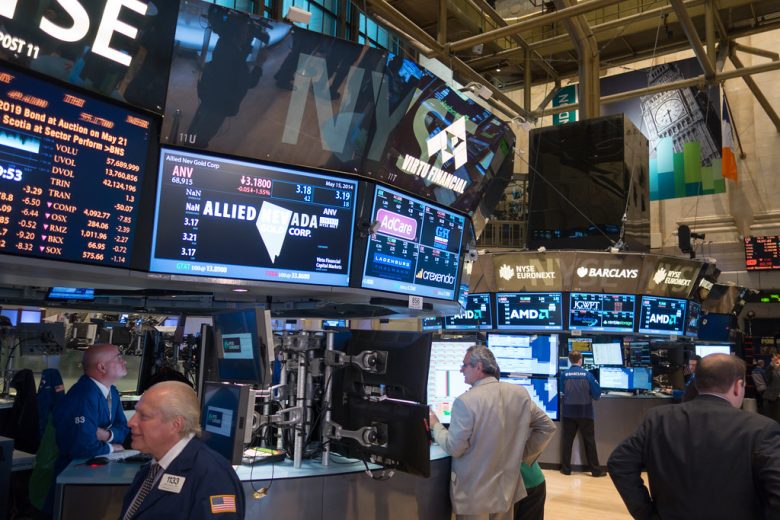
- Lead. US chip and AI-related stocks led the week’s worst Wall Street session on Friday, with the S&P 500 falling 1.1% and the Nasdaq dropping 2.1%.
- Fact. CoreWeave, Dell and SanDisk fell 25%, more than 20% and nearly 20% respectively over the week, erasing gains built on AI infrastructure optimism through the summer.
- Stake. The VIX fear gauge rose 21% to 19.99, suggesting markets are pricing in rising uncertainty about the sustainability of AI-driven earnings forecasts heading into Q3 earnings season.
Wall Street closed Friday’s session sharply lower, with the S&P 500 settling near 7,659 — down from a recent high of 7,811 earlier in October — and the Nasdaq Composite shedding approximately 2.1%, according to market data compiled by KuCoin and multiple market services. The session extended a week-long pattern of pressure on technology stocks tied to artificial intelligence infrastructure, triggered by concern about debt levels at companies building large-scale computing capacity.
Which stocks moved and why
CoreWeave, the GPU cloud provider that priced an IPO earlier this year, fell roughly 25% over the week as its credit default swap spreads entered distress territory, signalling bond-market concern about the company’s debt load relative to its revenue. Dell Technologies fell more than 20% as analysts revised down AI server margin assumptions, and SanDisk dropped nearly 20% after guidance that fell short of elevated expectations. Together, the moves in AI-linked names wiped out an estimated $1 trillion in combined equity market capitalisation over five days.
The Cboe Volatility Index rose 21% to 19.99, its highest close in several weeks, reflecting options traders positioning for further swings as third-quarter earnings season gets underway. Goldman Sachs posted record quarterly advisory revenue of $18.7 billion last week, but the strong bank results did little to offset the weight of the technology selloff.
Rates, commodities and crypto
The moves in equities are happening against a backdrop of elevated borrowing costs. The US 10-year Treasury yield closed near 5.085%, maintaining pressure on high-growth, capital-intensive businesses whose valuations depend on low discount rates. Brent crude traded between $106 and $108 a barrel, a level that remains elevated relative to pre-Middle East conflict pricing and continues feeding into corporate cost structures.
Gold advanced to roughly $4,182 an ounce — a signal that some investors are rotating toward safe-haven assets. Digital markets showed partial resilience: bitcoin traded near $82,100 on Monday morning, with the overall crypto market capitalisation at approximately $2.82 trillion, according to market trackers. Asian markets opened mixed, with the Nikkei 225 trimming early losses of more than 2% to close roughly 0.7% lower.