
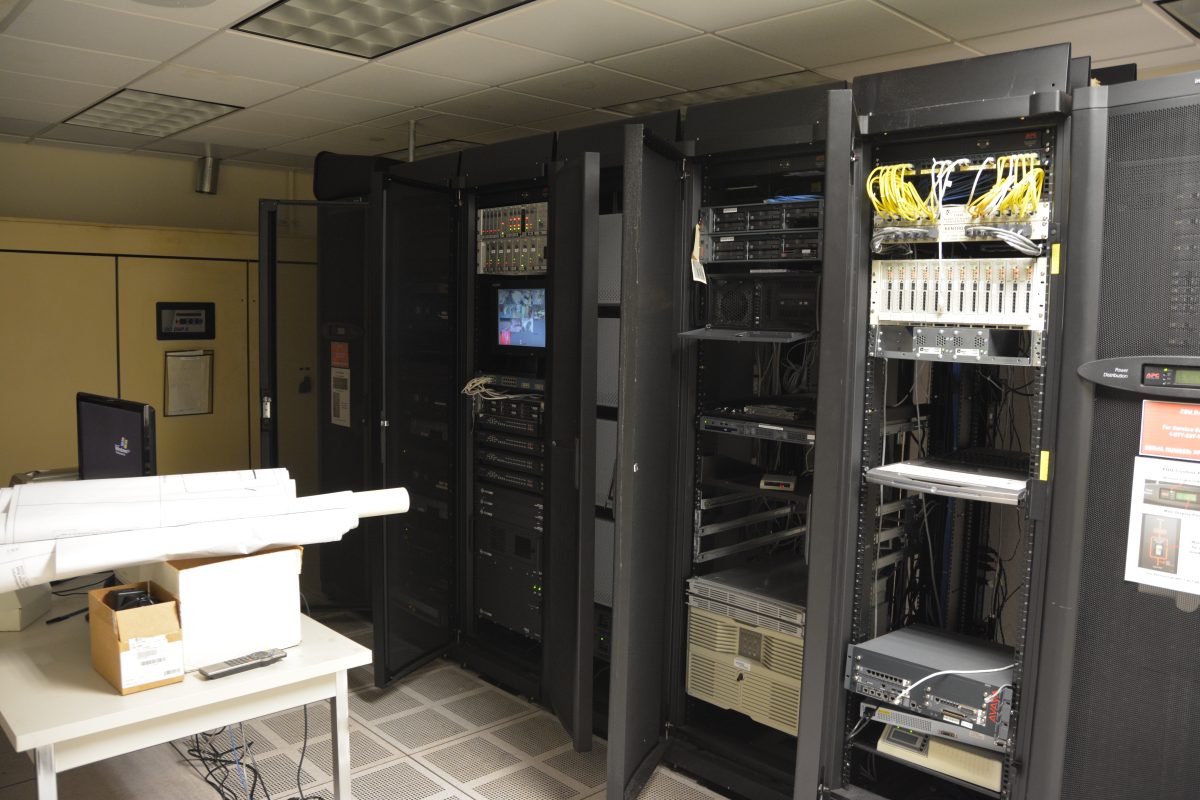
- Lead. Approximately 600,000 Nvidia H200 AI processors are sitting in warehouses in Hong Kong because Beijing has not approved large-scale imports into the Chinese mainland, according to Reuters, which cited two people familiar with the matter.
- Fact. An eight-card H200 server was offered at more than 6 million yuan — roughly $900,000 — in mainland China by the end of October, about three times its price a year earlier.
- Stake. ByteDance, Alibaba, and Tencent have collectively ordered more than three million RTX Pro 5500 cards — a less powerful, export-compliant Nvidia product — with a combined sticker price above $35 billion, suggesting large buyers are hedging around the approval bottleneck.
The Hong Kong Stockpile
Nvidia’s H200 processor sits one rung below the company’s most advanced AI training chips and has been licensed for sale to Chinese customers since March 2026, when the Commerce Department eased certain restrictions. But product-level licensing has not translated into unimpeded mainland delivery. According to Reuters reporting via Yahoo Finance, Beijing has not approved large-volume imports, leaving a stockpile estimated at around 600,000 units parked in Hong Kong transit warehouses.
Some chips have entered China in limited volumes. Several major Chinese internet companies have each received about 10,000 H200 units in recent months, and small quantities have arrived through intermediaries and indirect routes. Beijing appears to want firms such as Alibaba, ByteDance, Tencent, and DeepSeek to prioritise domestically made processors for inference workloads before approving broad foreign chip imports, with total approvals reportedly under 200,000 units so far.
The Price Spike and What It Signals
The gap between approved supply and demand has pushed unofficial prices to levels that reflect acute scarcity. By late October, an eight-card H200 server was being offered at more than 6 million yuan — approximately $900,000 — roughly triple the price from twelve months earlier. The premium signals that buyers who cannot access domestically approved channels, or who cannot substitute domestic processors for their workloads, are willing to pay substantially above market rate for guaranteed delivery.
The price divergence also illustrates a structural risk in Nvidia’s China revenue model. The company has shipped the hardware — it is in Hong Kong — but converting those units into booked revenue depends on the pace of Beijing’s approval decisions, which are inherently political rather than commercial.
The RTX Pro Hedge and What Comes Next
The largest Chinese technology groups are not waiting passively. Reuters reported that ByteDance, Alibaba, and Tencent have together ordered over three million RTX Pro 5500 cards — a less powerful chip that clears existing US export controls — with a combined list value above $35 billion. The order suggests these companies are building inference capacity with compliant hardware while keeping the H200 approval question open.
Taiwan recently moved to criminalise Nvidia chip smuggling to China, with penalties of up to ten years in prison, tightening one grey-market route that had been feeding demand. Whether Beijing resolves the H200 import question before the US export control landscape shifts again — the Commerce Department’s November 10 affiliate rule reinstatement is pending — will determine whether the Hong Kong stockpile becomes a revenue event for Nvidia or a prolonged supply limbo.