
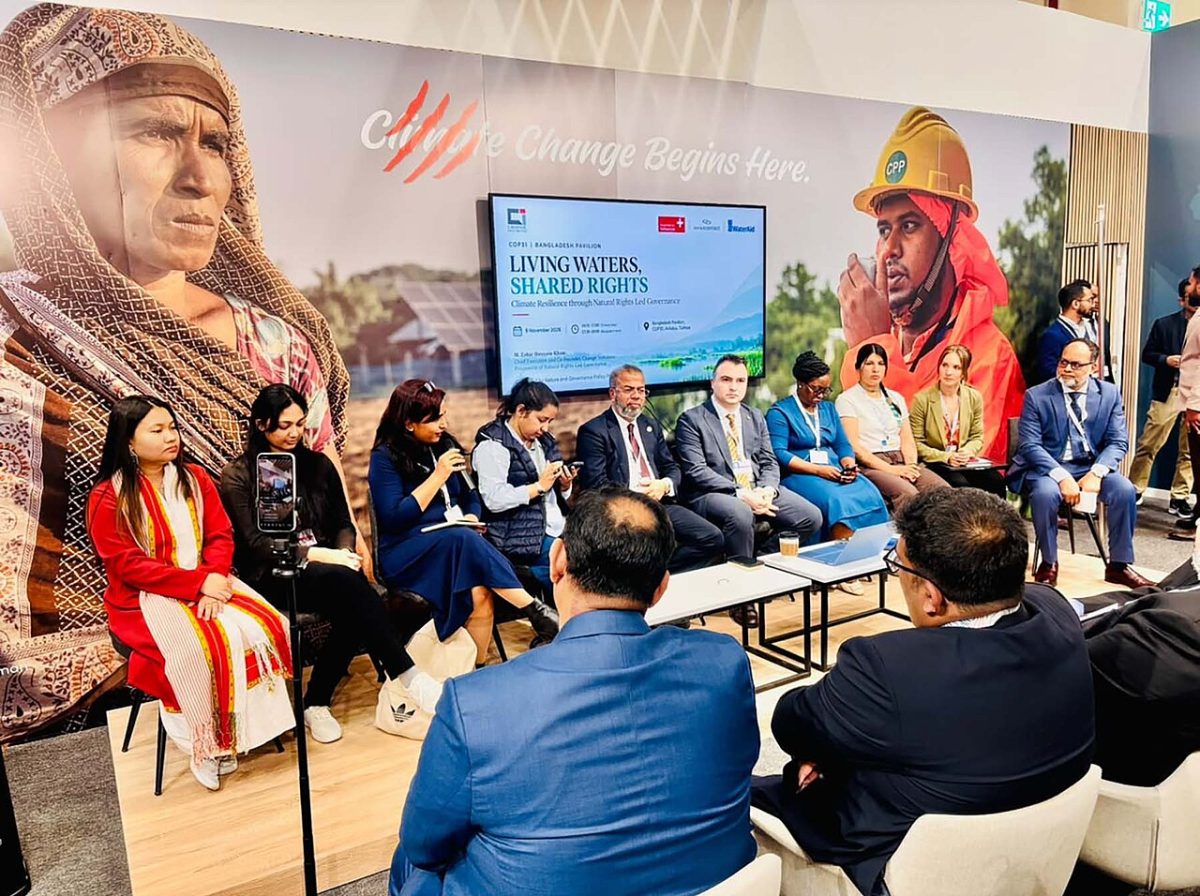
- Lead. COP31 runs 9–20 November in Antalya, Türkiye — the first UN climate summit hosted by a country still building new coal capacity.
- Fact. About 370 side sessions were scheduled on day two, with 140 dedicated to energy and transport.
- Stake. Leaders arrive facing a string of record temperatures and mounting pressure to close the gap between national pledges and actual emissions cuts.
The 31st Conference of the Parties to the UN Framework Convention on Climate Change entered its second day in Antalya, Türkiye on Tuesday, with the summit’s presidency signalling a drive to convert existing climate commitments into concrete implementation. Around 370 sessions were on the schedule for the day, with 140 of them focused on energy and transport — the two sectors that together account for the largest share of global greenhouse-gas emissions.
Split Leadership, Shared Mandate
Under a Türkiye-Australia partnership arrangement confirmed before the summit opened, Turkish Environment Minister Murat Kurum serves as COP31 President-designate while Australia’s Climate and Energy Minister Chris Bowen leads formal negotiations. The pairing spans hemispheres by design: Türkiye hosts the meeting at its Antalya convention centre, while Australia brings a track record of recent domestic climate legislation to the chair of the negotiations table.
The arrangement has not shielded the summit from criticism. Amnesty International published a pre-conference analysis arguing that Türkiye’s continued operation of coal plants and pursuit of new fossil-gas fields risk locking the host country into a high-emissions pathway that contradicts the meeting’s stated aims. Several European delegations echoed the concern in opening-day remarks. Türkiye’s negotiating team has countered that it is pursuing a managed transition and that developed nations bear primary historical responsibility for accumulated emissions.
Agenda: Finance and the Energy Transition
The central negotiating text this week concerns the new collective quantified goal on climate finance — the figure intended to replace the $100 billion annual pledge established in 2009. Developing and vulnerable nations are pushing for a commitment measured in trillions rather than billions per year, while most G7 delegations argue that private capital mobilisation must be part of the accounting. No breakthrough on the figure was reached at COP30, and delegations arriving in Antalya described the gap as the summit’s most consequential open question.
Energy-transition language from the 2023 Global Stocktake continues to serve as the working baseline, including the call to triple global renewable-energy capacity by 2030 and to phase down unabated coal. How that text is reflected in updated national climate plans — due from each party within the year — is the implementation test that the Turkish and Australian presidencies have framed as this summit’s deliverable.
Context: A Record-Temperature Backdrop
COP31 convenes against a backdrop the UN describes as record-breaking temperatures and escalating climate impacts. The European climate monitoring programme Copernicus published data on 9 November showing October 2026 set a new monthly global surface-temperature record, extending a streak that delegates from small-island states have used to press for stronger and faster action from large emitters. The Pacific pre-COP meeting held in October, which included contributions from the Tuvalu delegation, was explicitly framed around the existential risks facing low-lying nations.
The summit runs until 20 November. High-level ministerial segments are scheduled for the final week, when the most contentious finance and fossil-fuel language is typically resolved — or left unresolved — in overnight sessions.