
- Seven-week losing streak. Bitcoin was on pace to close below $60,000 on Friday — its lowest level since July — marking a seventh consecutive weekly loss, a streak not seen since May 2022.
- Correlation with AI stocks. The decline tracks a broad sell-off in AI-related equities. From 6 October to 18 November, bitcoin fell roughly 27% while the S&P 500 dropped about 6.3%, suggesting risk aversion rather than crypto-specific selling is the primary driver.
- ETF outflows compound the pressure. Spot bitcoin ETFs recorded about $1.12 billion in outflows this week, according to SoSoValue data, extending a sustained reversal from earlier 2026 inflows.
Bitcoin fell below $60,000 on Friday for the first time since July, deepening a drawdown that has now erased roughly $20,000 from the price in less than seven weeks. By mid-morning New York time, the token was trading near its lowest level in nearly five months and was on course for a seventh consecutive weekly loss, according to CNBC, citing data that shows the last comparable streak occurred in May 2022.
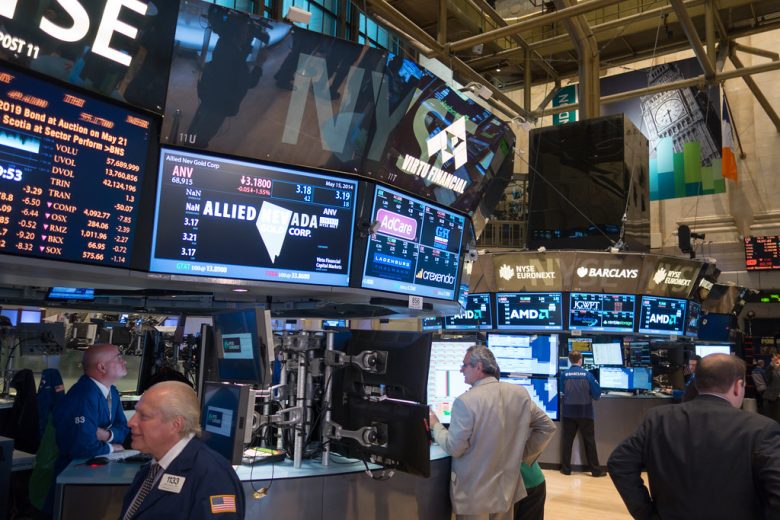
The Dow Jones Industrial Average and the S&P 500 both entered correction territory on Friday, as a broad sell-off in AI and technology stocks — triggered partly by fading enthusiasm around the Anthropic IPO and persistent fears about the Federal Reserve’s December rate path — rippled into risk assets across the board.
Anatomy of the decline
Bitcoin hit an all-time high above $126,000 in early October 2025, but has drifted steadily lower since then. From its early October 2026 high, the token has shed roughly 27% — almost the same percentage drop that equities recorded from January to April 2025 during a comparable risk-off episode, underscoring the correlation that has become a defining feature of the post-ETF era.
The Federal Reserve’s hawkish posture is a consistent pressure. Fed Vice Chair for Supervision Michelle Bowman, speaking at the Council on Foreign Relations on 10 November, said that “our progress on lowering inflation has disappointed” and estimated that core PCE likely rose to 3.3% over the 12 months to October. That framing makes a December rate hold increasingly difficult to defend, and market participants have priced in a December hike at above 80% odds.
When cash accounts pay around 5%, non-yielding assets such as bitcoin and gold look structurally less attractive. Gold has fallen more than 35% from its early 2026 peak under similar pressure, though it has historically behaved more defensively than crypto in risk-off periods. Bitcoin’s earlier move below $70,000 triggered the same debate about whether the asset can serve as a hedge or whether it simply amplifies equity volatility.
Spot ETF outflows deepen the slide
The launch of spot bitcoin ETFs earlier in the cycle was expected to broaden the asset’s investor base and smooth its price moves. That thesis has been tested in this correction. BlackRock’s iShares Bitcoin Trust (IBIT) recorded about $1.37 billion in net outflows over the past month, while Fidelity’s FBTC shed roughly $322 million over the same period. Combined weekly ETF outflows for the asset class hit $1.12 billion this week, according to SoSoValue.
Strategy, the largest corporate bitcoin holder, holds 850,849 BTC at an average cost basis of about $75,452 per coin — meaning its position is now deeply underwater relative to cost. The company has not issued a statement on the drawdown, but analyst attention will focus on its next disclosure for signs of any change in strategy.
The technical picture
Technical analyst Katie Stockton noted that the roughly $60,000 level represents a key support zone for bitcoin, and that holding it is a prerequisite for any near-term bounce. “It’s still an area that people might go to sell when they think that risk is higher in other areas,” she said, as quoted by CNBC. An OKX market note dated Saturday said the token had already dipped below $59,000 intraday, with the Crypto Fear and Greed Index registering “Extreme Fear.”
Whether the support holds into next week will depend heavily on the equity market’s response to any new Fed communication and on whether the AI sector finds a catalyst to reverse the month-long selling pressure.