
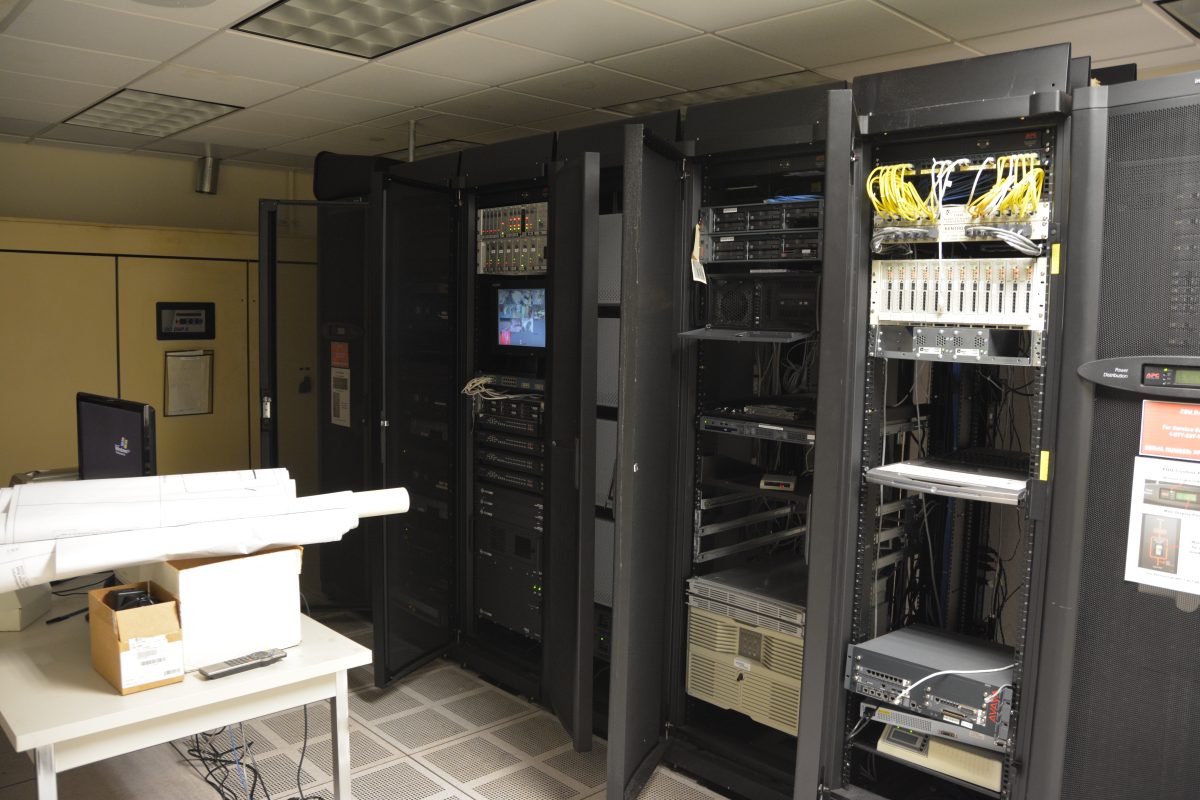
- State-level escalation. California Attorney General Rob Bonta served Nvidia with a formal investigative subpoena on 19 November — the most consequential domestic legal action against the company since former CEO Jensen Huang resigned on 11 November.
- Three-pronged scrutiny. Alongside Bonta’s probe, the SEC is examining whether Nvidia gave investors misleading disclosures, and the FBI has opened a preliminary inquiry into the situation. Former CEO Huang is scheduled to meet three House committees on 1 December.
- Chips and China. The core question in all three investigations is whether Nvidia’s high-end processors or proprietary data reached China through Huang’s alleged relationship with Alice Huang, a senior executive at the Singapore-based data firm Megaspeed, whom investigators describe as a suspected Chinese spy.
California’s top law enforcement officer served Nvidia with an investigative subpoena on Thursday, demanding records related to the events that led to Jensen Huang’s resignation as chief executive on 11 November. The subpoena, reported by the San Francisco News, marks the most formal domestic legal step taken against the chipmaker since the board accepted Huang’s departure after an internal probe into his alleged relationship with Alice Huang, identified by investigators as a suspected agent of Chinese intelligence.
Attorney General Bonta had telegraphed the move in a Bloomberg Television interview on 17 November. The subpoena itself carries no charge or finding of wrongdoing; it is an investigative demand for documents that will help Bonta’s office determine whether Nvidia broke California law and whether its chips may have reached China in violation of federal export limits.
What the subpoena demands
The records sought centre on two questions: first, whether Nvidia’s advanced AI processors — the kind restricted under federal export control rules — were transferred to China through Megaspeed’s cloud infrastructure; second, whether Nvidia and its leadership kept shareholders adequately informed about the relationship between Jensen Huang and Alice Huang, who served as a senior executive at the Singapore-based data centre company.
Megaspeed has been reported to have planned to rent computing power to Alibaba and ByteDance, both entities that would be prohibited from directly purchasing the chips under existing export controls. That routing — renting access to restricted chips through a nominally third-country intermediary — is precisely the loophole the Commerce Department sought to close with its 16 November interim final rule rescinding the Biden-era AI Diffusion Rule.
As documented when Nvidia’s board launched its internal probe, the company acknowledged a relationship between the two individuals but stopped short of characterising it as a breach of company policy. Jensen Huang denied all wrongdoing before his resignation, and neither he nor Nvidia had issued a public response to the state subpoena as of Friday afternoon.
Federal threads multiply
The Wall Street Journal reported on 17 November that the SEC is reviewing whether Nvidia provided misleading disclosures to investors about the Huang-Megaspeed relationship. President Trump has also said the FBI is “looking into the situation,” though no federal charges have been announced. Semafor reported on 12 November that the Justice Department’s antitrust division has opened separate inquiries involving Nvidia, Megaspeed, and server manufacturer Supermicro.
When Jensen Huang resigned and CFO Colette Kress was named interim CEO, the board said it had found no evidence of financial crimes but determined that Huang had not disclosed the relationship fully. That internal finding did not satisfy state or federal authorities, who are pursuing their own records.
The stock and legal fallout
Nvidia’s shares were trading around $130 on Friday, approximately 46.4% below their 52-week high of $243.37. The company has also seen a cascade of shareholder lawsuits alleging that investors were harmed by the lack of disclosure around the Megaspeed relationship and its potential national-security implications.
Huang is scheduled for a private interview with three House committees on 1 December, at which lawmakers are expected to focus on the same questions Bonta’s subpoena covers: what Huang knew, when he knew it, and whether any chips or technical information moved through Megaspeed to restricted Chinese entities.