
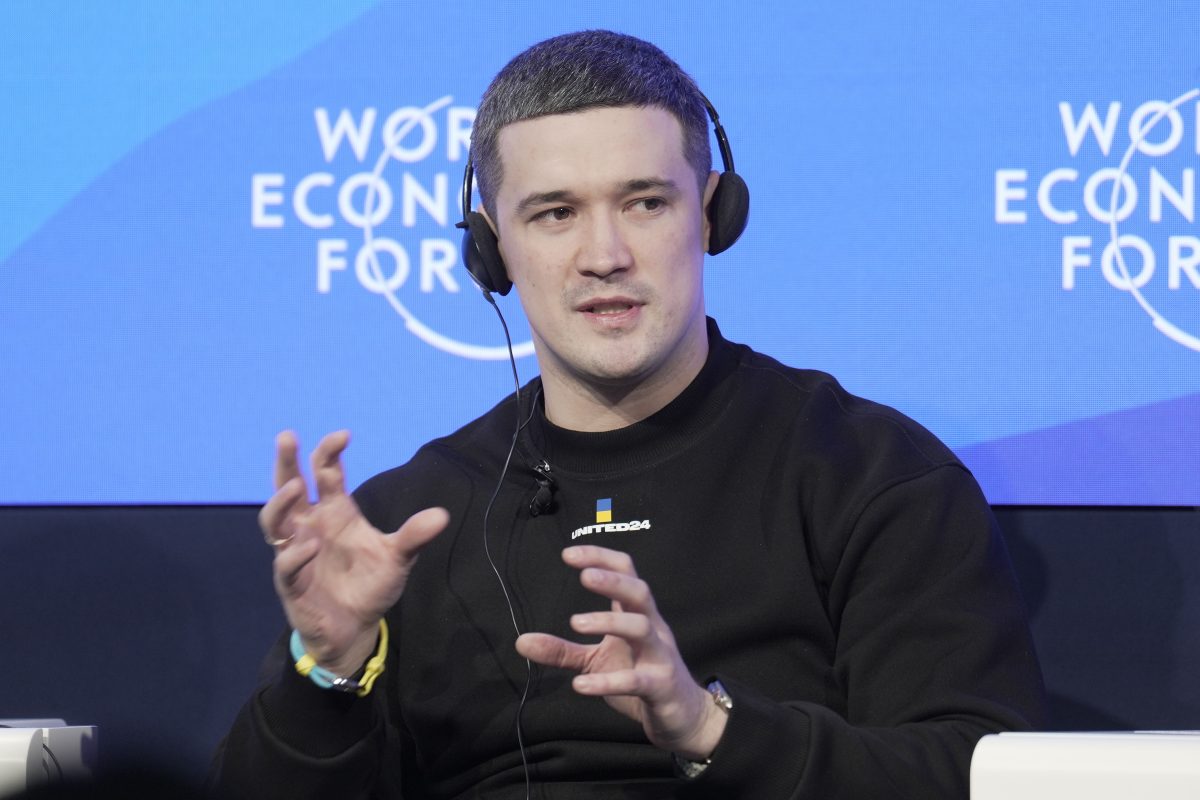
- Lead. President Volodymyr Zelensky fired defence minister Mykhailo Fedorov on July 15, removing the 35-year-old architect of Ukraine’s drone-warfare programme after only six months in the post.
- Fact. More than 1,000 protesters gathered in Kyiv within hours; demonstrations spread to Lviv and Kharkiv, with Deputy Air Force Commander Pavlo Yelizarov resigning in solidarity.
- Stake. Fedorov built the drone capability that has repeatedly struck Russian territory deep inside its borders; his departure raises western concerns about whether that edge can be maintained during the most intense phase of the war.
Zelensky announced the dismissal late on July 15, posting a terse statement that cited an irreconcilable breakdown between Fedorov and Armed Forces commander-in-chief General Oleksandr Syrskyi. “I wanted unity very much,” Zelensky wrote. “The sides did not find it.” No further explanation was offered, though Ukrainian media reported that tensions over procurement authority and drone production targets had been simmering for weeks.
From Digital Pioneer to Defence Minister
Fedorov, a former digital transformation minister who won international recognition for his role in mobilising tech companies against Russia’s 2022 invasion, was appointed to lead the defence ministry in January 2026 in what Zelensky framed as a push to accelerate military innovation. During his six months in the role, his ministry oversaw a substantial expansion of Ukraine’s domestic drone production and coordinated several of the long-range strikes that reached targets more than 2,000 kilometres inside Russia. He also previously persuaded Elon Musk to disable Starlink satellite terminals that Russian forces had been using on the battlefield — a move that briefly became a flashpoint in Washington.
In a social-media post after the announcement, Fedorov said his tenure had been “an honour” and that his work was always focused on “the speed of innovation.”
Protests and a High-Profile Resignation
The reaction was swift. More than 1,000 people gathered in Kyiv’s central Maidan square on the evening of July 15 waving Ukrainian and EU flags and chanting “shame” and “bring Fedorov back.” Parallel demonstrations in Lviv and Kharkiv drew predominantly young crowds holding signs that emphasised his military technology record. Deputy Air Force Commander Pavlo Yelizarov submitted his resignation the same day, stating publicly that the firing could “increase vulnerabilities to Russian attacks” — an unusually blunt act of political dissent from a serving officer. Drone-warfare advocate Maria Berlinska called the decision “one of President Zelenskyy’s biggest mistakes,” warning it would “cost us hugely in lives.”
A Broader Cabinet Reshuffle
Security service chief Yevhen Khmara is serving as acting defence minister. Zelensky has indicated that Interior Minister Ihor Klymenko, who has held that post since 2023, is the intended permanent replacement. The reshuffle extends further: parliament was expected on July 17 to confirm Naftogaz CEO Sergii Koretskyi as prime minister, replacing Yulia Svyrydenko after approximately one year in the role. Zelensky described Koretskyi as “surely the most prepared candidate.”
Western officials responded with carefully worded public language but evident concern. Foreign Affairs Committee chair Oleksandr Merezhko said Fedorov had been “highly respected amongst our international partners,” suggesting allies had urged Zelensky to reconsider. His removal lands as Russia continues to press its air campaign: Russian missiles struck Kyiv’s Pechersk Lavra monastery complex in a recent overnight barrage, underlining the operational stakes of any disruption to Ukraine’s drone defences.