
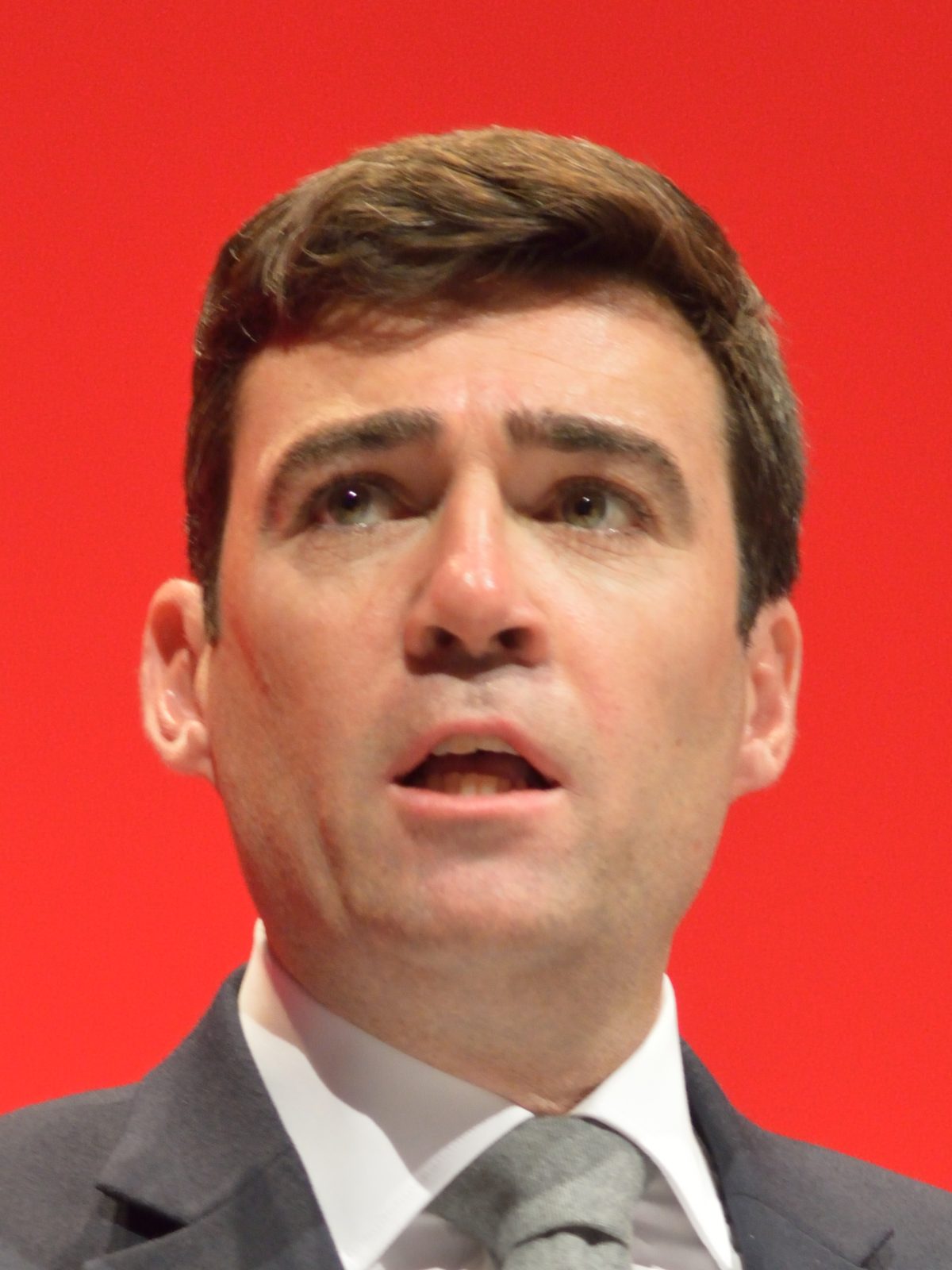
- Lead. Andy Burnham was declared leader of the British Labour Party on July 17 with near-unanimous parliamentary backing, and is set to formally take office as Prime Minister when received by King Charles III on July 21.
- Fact. Burnham secured nominations from 379 of Labour’s 403 MPs, running without opposition after Keir Starmer announced he would step down following Labour’s collapse in the May local elections.
- Stake. He becomes the UK’s seventh prime minister since 2016, inheriting a Labour parliamentary majority but a polling deficit to Reform UK, and a mandate built around transferring power from Westminster to England’s cities and regions.
Keir Starmer’s departure from Downing Street, announced after Reform UK’s surge in the May local elections, cleared a path that Burnham moved quickly to claim. The former mayor of Greater Manchester, aged 56, re-entered the House of Commons earlier this year after winning the purpose-built Makerfield constituency created to give him a parliamentary base. Once the contest opened, no other candidate came forward.
The Scale of Endorsement
The 379-of-403 nomination tally was not a formality — it was a signal. Labour MPs, chastened by two years of polling erosion and a bruising results night in May, coalesced around Burnham with a speed that foreclosed any debate about the succession. According to PBS NewsHour, his victory speech struck a deliberately unifying note: “We will take power back from Westminster and Whitehall and give it to the place you live.” He also warned that Labour “won’t beat Britain’s new right if we are consumed by infighting” — an acknowledgment that Reform UK’s presence in constituencies Labour once regarded as safe has reordered the electoral arithmetic.
Nine Years in Manchester
Burnham spent nine years as Greater Manchester’s directly elected mayor before returning to national politics. That tenure gave him a platform distinct from Westminster’s internal culture: he oversaw integrated transport, devolved health budgets, and a regional approach to housing — precisely the model he now proposes to extend nationally. His central pitch, reversing what he described as “40 years of bad decisions” that concentrated power in central government, positions him as a break from both the Starmer and the Blair eras.
The Political Arithmetic
The next general election is not required until 2029, leaving Burnham time to establish his programme without an immediate mandate contest. Social care access, regional economic renewal, and public control of key infrastructure are among the priorities he flagged during the campaign. He takes office in a polling environment where Labour trails Reform UK in enough English seats to put the parliamentary majority at risk — and with no clear route to improving that position except sustained performance in government.