
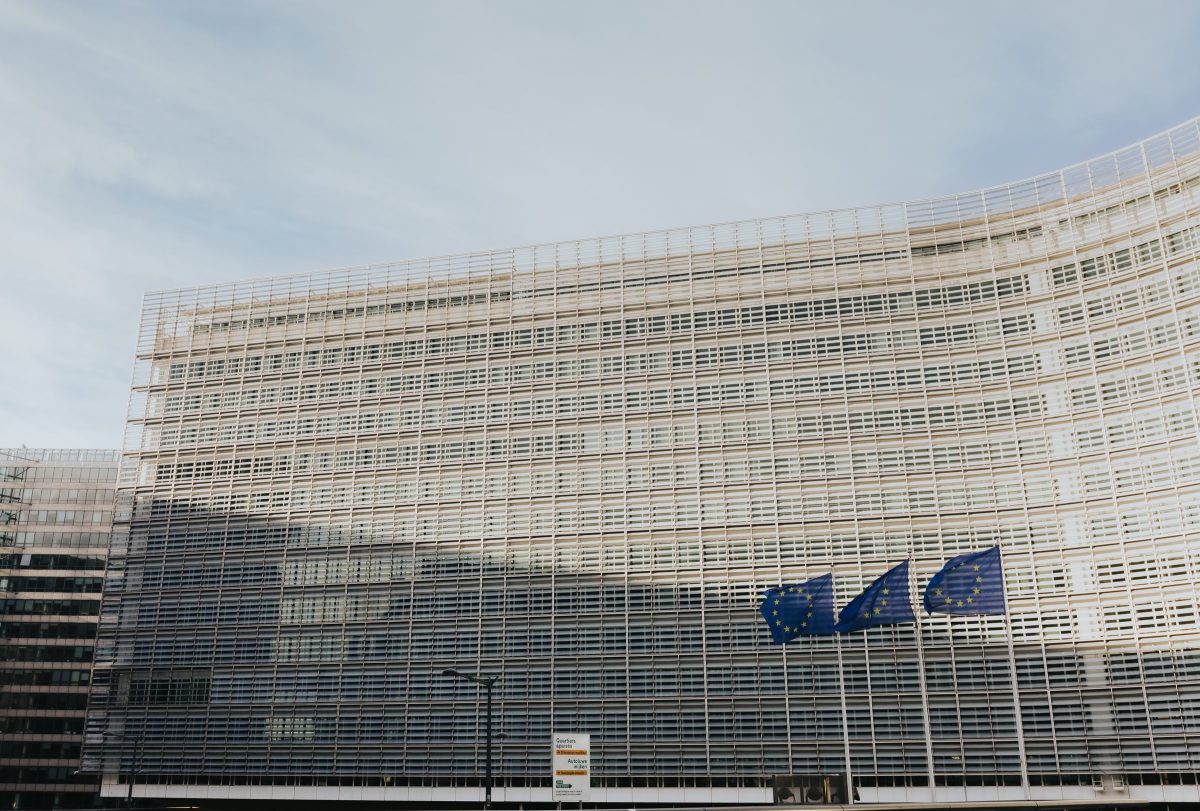
- Lead. The European Commission fined Alibaba’s AliExpress €550 million ($629 million) on Monday for breaching the Digital Services Act, the largest penalty issued under the law since it took full effect for very large online platforms in 2024.
- Fact. Investigators found that unsafe toys and dangerous cosmetics remained listed on the platform for weeks after being flagged, that stores sanctioned for selling illegal products were allowed to keep operating, and that the brand-authorization system designed to block counterfeits was routinely circumvented.
- Stake. The fine exceeds the €200 million imposed on Temu and the €120 million against X, establishing a new ceiling for DSA enforcement and signalling that Brussels is prepared to use the law as a serious lever against Chinese e-commerce platforms that dominate sub-€150 parcel volumes into Europe.
The Commission opened formal DSA proceedings against AliExpress in 2024, following the platform’s designation as a “very large online platform” subject to the law’s strictest tier of obligations. The July 20 fine, announced by the Commission’s digital enforcement unit, concludes that AliExpress failed on multiple fronts that the law specifically targets. It must submit an action plan by October 20, 2026 outlining how it will address the findings, according to Euronews.
What Investigators Found
The Commission’s assessment identified three systemic failures. First, the gap between AliExpress’s human-moderation capacity and the actual volume of listings was so wide that flagged items routinely remained active for weeks — investigators found dangerous cosmetics and unsafe toys lingering on the platform long after they had been reported. Second, AliExpress’s penalty policy against stores that sold illegal products was not enforced: sellers continued operating after receiving sanctions. Third, the brand-authorization architecture that was supposed to prevent counterfeit goods from being listed was vulnerable to straightforward abuse, with sellers misclassifying products to bypass the system.
AliExpress called the fine “disproportionate,” saying it did not “adequately reflect our established framework,” and said it was reviewing the decision and “considering all available options” — language that suggests an appeal is likely.
A Pattern of Escalating EU Enforcement
Europe’s courts have sustained multi-billion-euro enforcement actions against US tech companies, and the Commission is now applying comparable intensity to Chinese platforms that have rapidly expanded their share of European retail. The AliExpress fine follows the €200 million Temu penalty and the €120 million X fine under the same statute. At €550 million, Monday’s decision is nearly three times the Temu figure and sets the visible upper range for what platform non-compliance costs under the current enforcement regime.
The timing is notable. The EU also recently imposed a €3 flat duty on parcels valued below €150 arriving from non-EU retailers — a direct fiscal response to the volume of Chinese e-commerce shipments — meaning AliExpress, Shein, and Temu now face both higher trade costs and escalating compliance liability in their largest Western market. For Brussels, the DSA is proving to be a workable enforcement instrument. For Chinese e-commerce, the regulatory overhead of operating at scale in Europe is rising on multiple fronts simultaneously.