
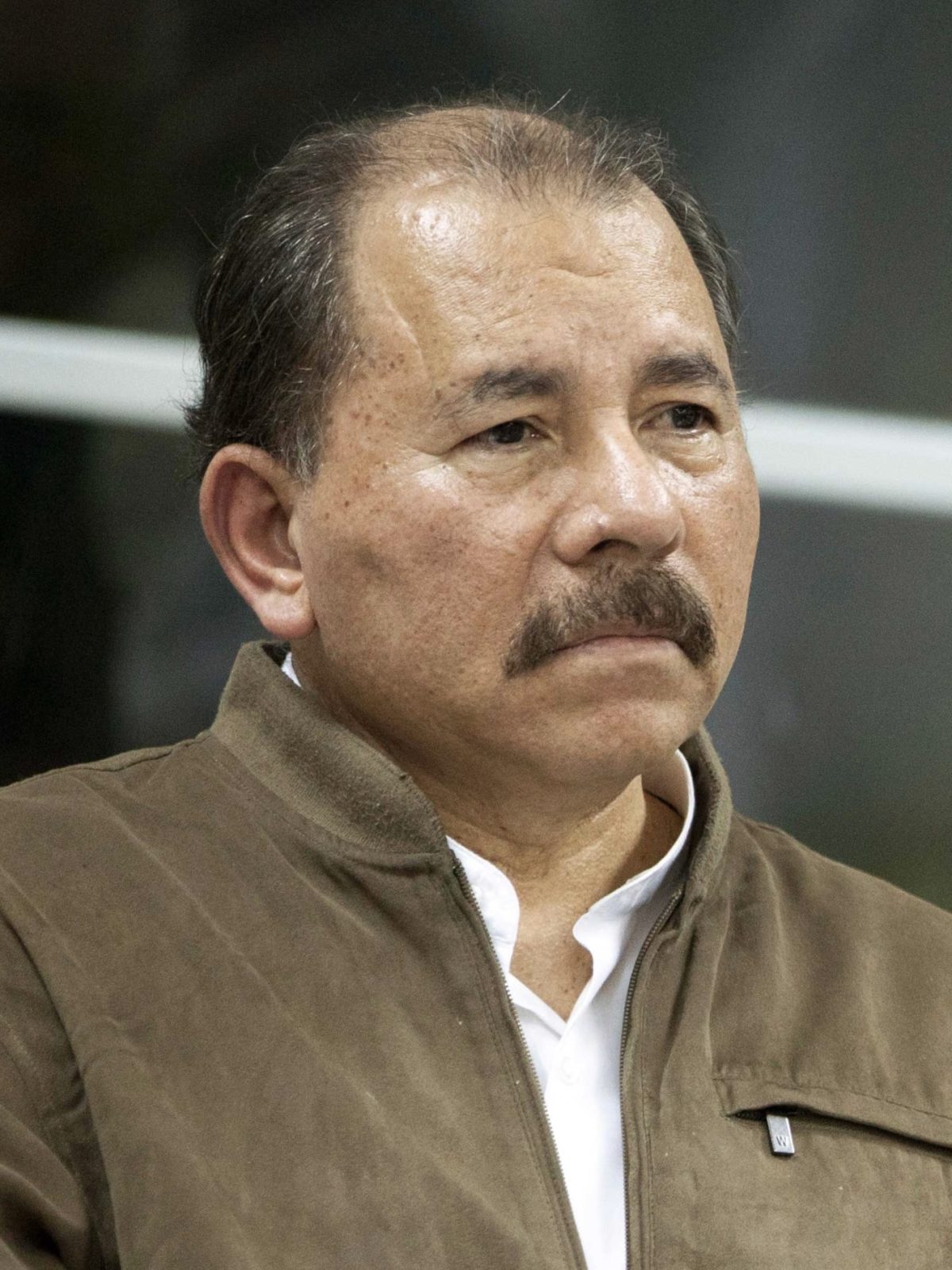
- Lead. Daniel Ortega told a rally of Sandinista supporters in Managua on July 20 that Nicaragua would hold no further elections, making explicit an authoritarian consolidation decades in the making.
- Fact. Elections planned for November 2027 had already been delayed after his government extended the presidential term from five to six years; his wife, Rosario Murillo, serves as co-president.
- Stake. The UN Human Rights Council has documented systematic abuses in Nicaragua including arbitrary detention, torture, and extrajudicial executions—patterns that domestic elections, however imperfect, had historically created some pressure to constrain.
What Ortega Said
The speech came during the annual ceremony marking the 47th anniversary of the 1979 Sandinista revolution that overthrew the Somoza dictatorship and first brought Ortega to power. Speaking before thousands of government supporters in Managua’s Plaza de la Revolución, the 80-year-old leader made his intent explicit: “There won’t be any more elections here for them to try to seize the government.” He framed the decision as self-defense, adding: “The days when parties backed by the Yankees and the Somocistas would return to power are over.”
Ortega has governed Nicaragua since 2007. His most recent election, in 2021, was widely rejected by international observers after the government detained prominent opposition figures in the months before the vote. Sunday’s statement goes further by removing elections from the political calendar altogether. Al Jazeera reported the declaration on Sunday.
A Methodical Erosion
The sequence of institutional changes has been deliberate. In January 2025, the Sandinista-controlled National Assembly voted to extend the presidential term from five to six years—moving the next scheduled election to November 2027. Sunday’s statement cancels that date. Earlier, in 2024, Ortega elevated his wife Rosario Murillo to the formal co-presidency, concentrating executive authority inside a single family.
Over the past decade, the government stripped hundreds of Nicaraguans of their citizenship and pushed much of the opposition into exile. More than 300 people were killed during the 2018 anti-government protests that swept the country after Ortega proposed pension cuts; the subsequent crackdown dismantled what remained of independent civil society. Multiple independent media outlets have been shuttered or seized since.
International Condemnation and Its Limits
The UN Human Rights Council has documented what it describes as systematic abuses carried out by the Ortega-Murillo government, including arbitrary detention, torture, extrajudicial executions, and the sustained persecution of civil society organisations and journalists. The Organisation of American States has passed repeated condemnatory resolutions. The United States and the European Union have imposed targeted sanctions on Nicaraguan officials, but neither has moved to escalate beyond asset freezes and travel bans.
Nicaragua’s economy remains deeply dependent on remittances from a diaspora swelled by political exile. That dependency has not translated into meaningful leverage for Western governments: Ortega has survived more than a decade of international pressure, and Sunday’s declaration suggests he calculates the costs as manageable. For the roughly six million Nicaraguans who remain, electoral politics has formally ended in the country where the Sandinista revolution once promised to begin them.