
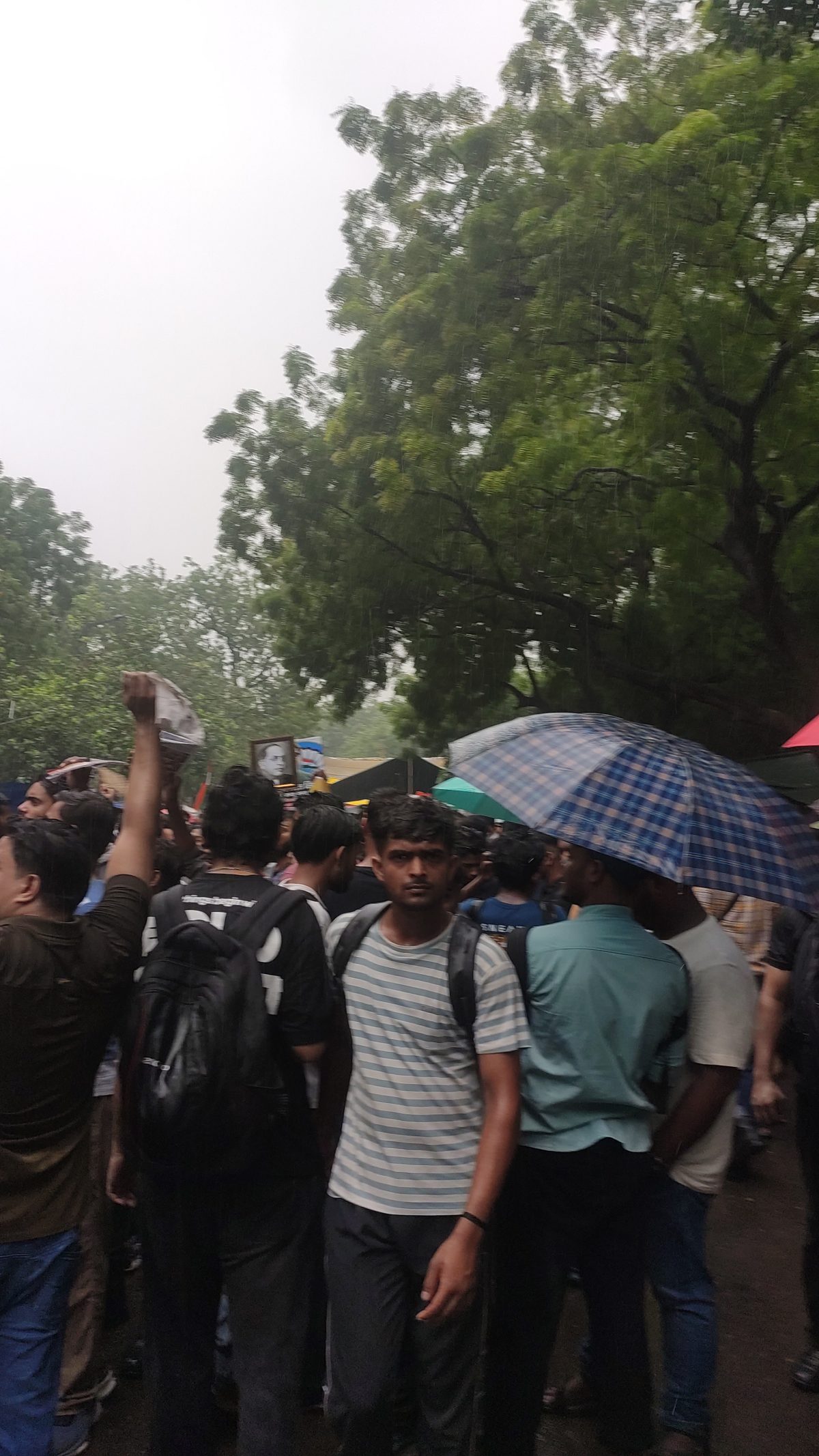
- Lead. India’s Education Minister Dharmendra Pradhan stepped down on July 25, bowing to three weeks of student protests over systemic exam leaks that prompted some students to take their own lives.
- Fact. The government agreed to pay 10 million rupees (roughly $103,000) in compensation to families of students who died by suicide after being ordered to retake compromised national exams.
- Stake. The resignation is the most visible political defeat for Prime Minister Narendra Modi’s government from a youth-led movement and forces a reckoning with India’s examination system.
Dharmendra Pradhan, India’s education minister, announced his resignation on Saturday after the government accepted all three demands of the Cockroach Janta Party (CJP), a satirical youth-led organisation that had mobilised hundreds of thousands of students at sites including Jantar Mantar in New Delhi. “I deeply respect the aspirations, feelings, and legitimate expectations of the country’s youth,” Pradhan said in his statement.
How the Movement Began
The CJP took its name from a remark attributed to India’s Chief Justice Surya Kant comparing unemployed young people to “cockroaches.” Abhijeet Dipke, the movement’s founder, published a social media post 36 days ago that spiralled into a national campaign. Students were already enraged by a series of confirmed leaks in the National Eligibility cum Entrance Test (NEET) and other competitive examinations that allocate university places and government jobs. The protests gained a second wind when police used tear gas and baton charges against demonstrators and authorities briefly cut internet access around protest sites.
The crackdown drew in activist Sonam Wangchuk, who ended a 26-day hunger strike in solidarity with the students only after receiving government assurances on exam accountability. When protesters were met with tear gas outside parliament earlier this month, the CJP vowed to remain until the minister resigned. “A victory of peace, patience and perseverance,” Wangchuk said after the resignation was announced.
What Was Conceded
Pradhan’s departure came attached to two further concessions: government compensation of 10 million rupees to families of students who died by suicide after being ordered to retake examinations found to be tainted, and a formal guarantee that no protest participant would face punitive action. CJP spokesman Ashutosh Ranka confirmed the group would stand down immediately. “All our demands have been accepted, so we request the protesters to withdraw,” he said.
Reform Under Pressure
The episode forces Modi’s government to appoint a new education minister and opens a legislative window to overhaul the National Testing Agency, the body responsible for administering NEET and several other exams now tainted by the scandals. The CJP has indicated it will monitor whether promised changes materialise before formally disbanding, leaving the movement as a latent pressure group on education policy.