
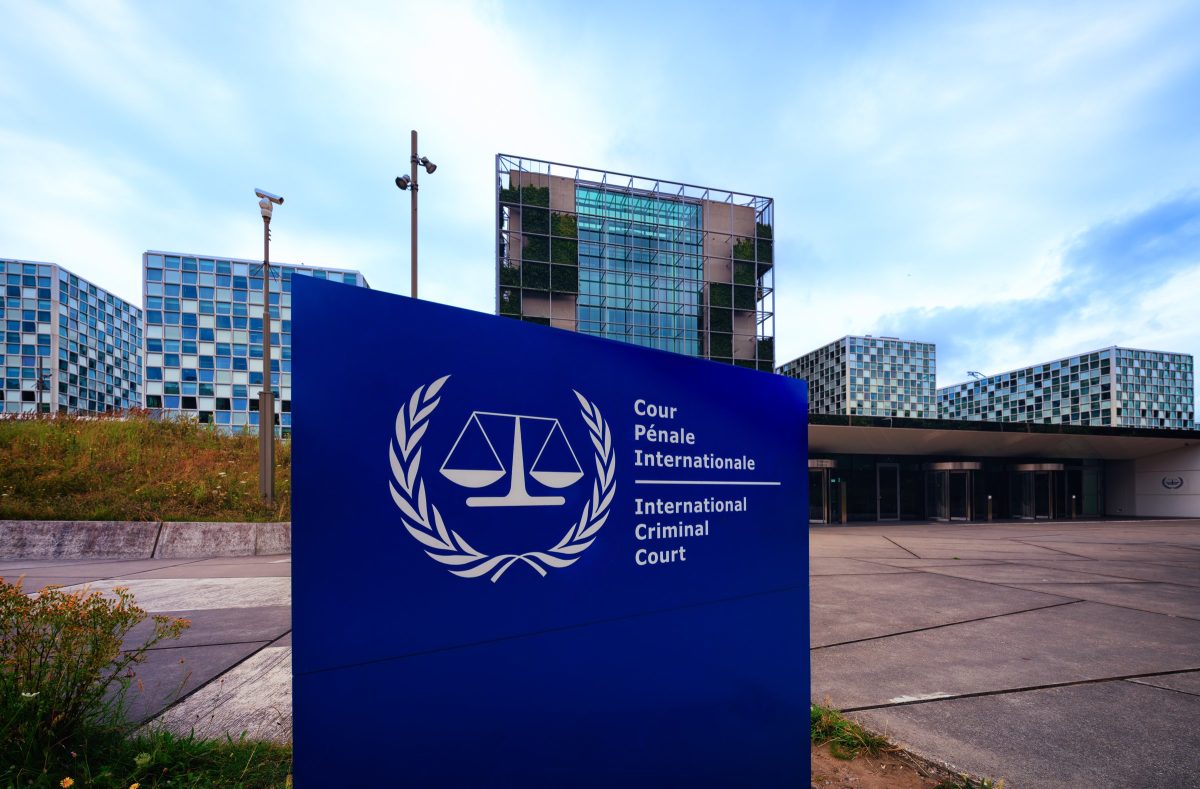
- Lead. The International Criminal Court’s governing body voted to remove Karim Khan as chief prosecutor on July 24, the first time in the court’s 23-year history that a sitting prosecutor has been ousted from office.
- Fact. Eighty-two of the court’s 125 member states voted in favour of removal, surpassing the simple majority required under ICC statute, after an oversight body found Khan had engaged in sexual misconduct with a female aide and sought to obstruct her complaint.
- Stake. The removal lands as Washington separately announces what Secretary of State Marco Rubio has called a “sweeping campaign to dismantle the threat posed by the International Criminal Court,” deepening pressure on a body whose authority already rests entirely on state cooperation.
The Assembly of States Parties, the court’s 125-member governing body, voted in The Hague on Friday to remove Karim Khan following a lengthy disciplinary process that centred on allegations made by a junior female staff member. According to documents reviewed by the Associated Press, Khan engaged in an inappropriate sexual relationship with the woman and subsequently tried to prevent her from pursuing her complaint through official channels. Khan has consistently denied the allegations. The oversight body determined that he had committed serious misconduct and serious breach of duty under the court’s own statutes.
A First for the Court
No ICC chief prosecutor had ever been removed from office before Friday’s vote. Khan had been suspended from his duties since June, with his office run by deputy prosecutors in the interim. Following the Assembly’s decision, the court confirmed that deputy prosecutors Nazhat Shameen Khan and Mame Mandiaye Niang will lead the Office of the Prosecutor while member states agree on a process to appoint a permanent successor. The position carries a nine-year non-renewable term.
The vote exposed a court navigating simultaneous pressures from multiple directions. Venezuela announced that it would withdraw its ICC membership in the wake of the vote, although the withdrawal process under the Rome Statute takes at least a year to complete. Israel’s UN ambassador welcomed Khan’s removal, characterising his tenure as a “political witch hunt” against Israel — an implicit reference to Khan’s earlier efforts to obtain arrest warrants for Israeli officials over the war in Gaza. Those warrants, already issued by ICC judges, remain in force; the Assembly of States Parties has no authority to rescind judicial decisions.
Washington’s Separate Campaign
The removal coincides with an explicit US policy shift. Secretary of State Marco Rubio has announced what he describes as a broad campaign to undermine the ICC’s operational capacity, including potential sanctions against court officials and measures to limit the court’s access to the US financial system. The combination of internal crisis and external pressure leaves the court’s medium-term effectiveness uncertain, particularly on cases involving conflict-zone accountability where state cooperation is most needed.
What Happens Next
The Assembly of States Parties is expected to convene a special session to determine the appointment timeline for Khan’s permanent replacement. Under the Rome Statute, the process typically involves nominations by member states followed by a secret ballot. Legal scholars note that the precedent set by Friday’s vote — demonstrating that the court’s governance mechanisms can function under pressure — may itself carry institutional weight, even as the political environment around the ICC grows more hostile.