
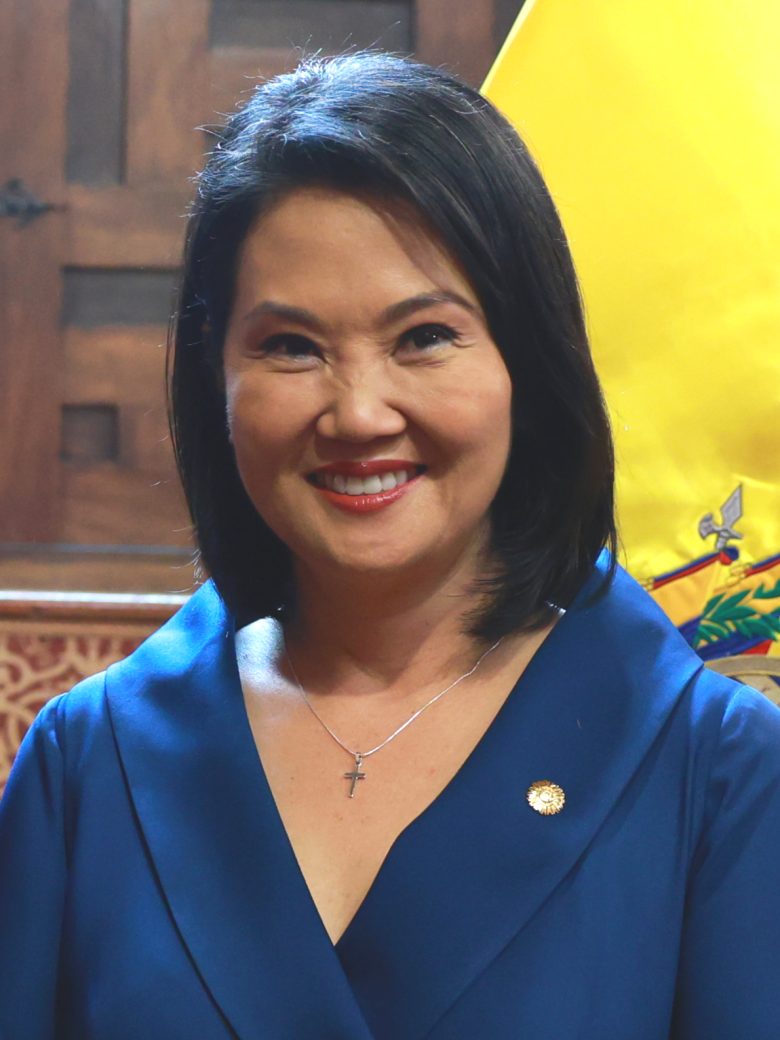
- New chapter. Keiko Fujimori was sworn in as Peru’s president on July 28, becoming the country’s ninth head of state in a decade after defeating left-wing rival Roberto Sánchez by fewer than 50,000 votes in June’s runoff.
- Fact. Her father Alberto Fujimori governed Peru from 1990 to 2000 and is remembered both for crushing the Shining Path insurgency and for systematic human rights abuses that led to his imprisonment for crimes against humanity.
- Stake. Relatives of victims of state violence gathered outside the inauguration ceremony in Lima to reject what critics call a potential return to authoritarian tactics, while regional politics braces for the implications of a conservative turn in South America’s fourth-largest economy.
A Fourth Bid, Finally Won
Keiko Fujimori, 51, was formally invested at Lima’s Congress on July 28 in a ceremony that capped her fourth presidential campaign in fifteen years. She defeated Sánchez in a run-off on June 7, with electoral authorities declaring her the official winner weeks later after a protracted ballot review and fraud allegations from the opposing camp.
The margin — fewer than 50,000 votes in a country of 34 million — mirrors the razor-thin contests of 2016 and 2021 that she lost. Al Jazeera reported that Fujimori took the oath pledging to “faithfully carry out the duties of president of the republic.” She is joined in office by first vice-president Luis Fernando Galarreta and second vice-president Miguel Ángel Torres Morales.
Her election is part of a broader rightward shift in Latin American politics that has also reshaped relations with Washington. As Brazil’s Lula government clashed with US election envoys in a contrasting moment earlier this month, Fujimori’s inauguration signals a different political orientation — one that has drawn quiet approval from the Trump administration.
An Iron Fist Agenda
Fujimori’s campaign centred on public security, a dominant concern in a country where violent crime has surged in recent years. She has promised an “iron fist” crackdown modelled partly on El Salvador’s Cecot mega-prison, the introduction of anonymous judges for criminal trials to protect them from cartel intimidation, and mandatory labour for inmates.
She has also pledged mass deportations of undocumented migrants, a policy that echoes postures across the Americas but will require significant legal architecture in Peru’s court system to implement. Critics from legal and human rights organisations argue the proposals risk bypassing due process protections enshrined in Peru’s constitution.
Shadow of Her Father
The inauguration drew protests from relatives of the nearly 3,000 people killed or disappeared during Alberto Fujimori’s crackdown on the Shining Path and Túpac Amaru movements in the 1990s. The elder Fujimori, who died in September 2023 after a controversial early release from prison, remains a polarising figure: credited by many Peruvians with ending the insurgency and stabilising the economy, condemned by human rights bodies for systematic torture and extrajudicial executions.
Critic César Fuentes told reporters that Fujimori “is going to be a replica of her father.” Her supporters counter that she has explicitly distanced herself from the abuses of that era and that her focus is on organised crime, not political opposition.
Governing a Fragmented Congress
Peru’s record of political instability — nine presidents in a decade — reflects a structural weakness: the executive and legislature have routinely clashed, triggering successive crises. Fujimori’s Popular Force party does not hold a majority in Congress, meaning her security and prison reform agenda will require coalition-building with smaller parties in a chamber that has deposed two presidents and threatened others over the past six years.
International observers and business groups are watching her early cabinet choices for signals about economic management, particularly regarding large mining and gas projects that have been caught in years of social conflict and regulatory uncertainty. Peru is the world’s second-largest copper producer and any policy shift affecting the sector carries implications for global commodity markets.