
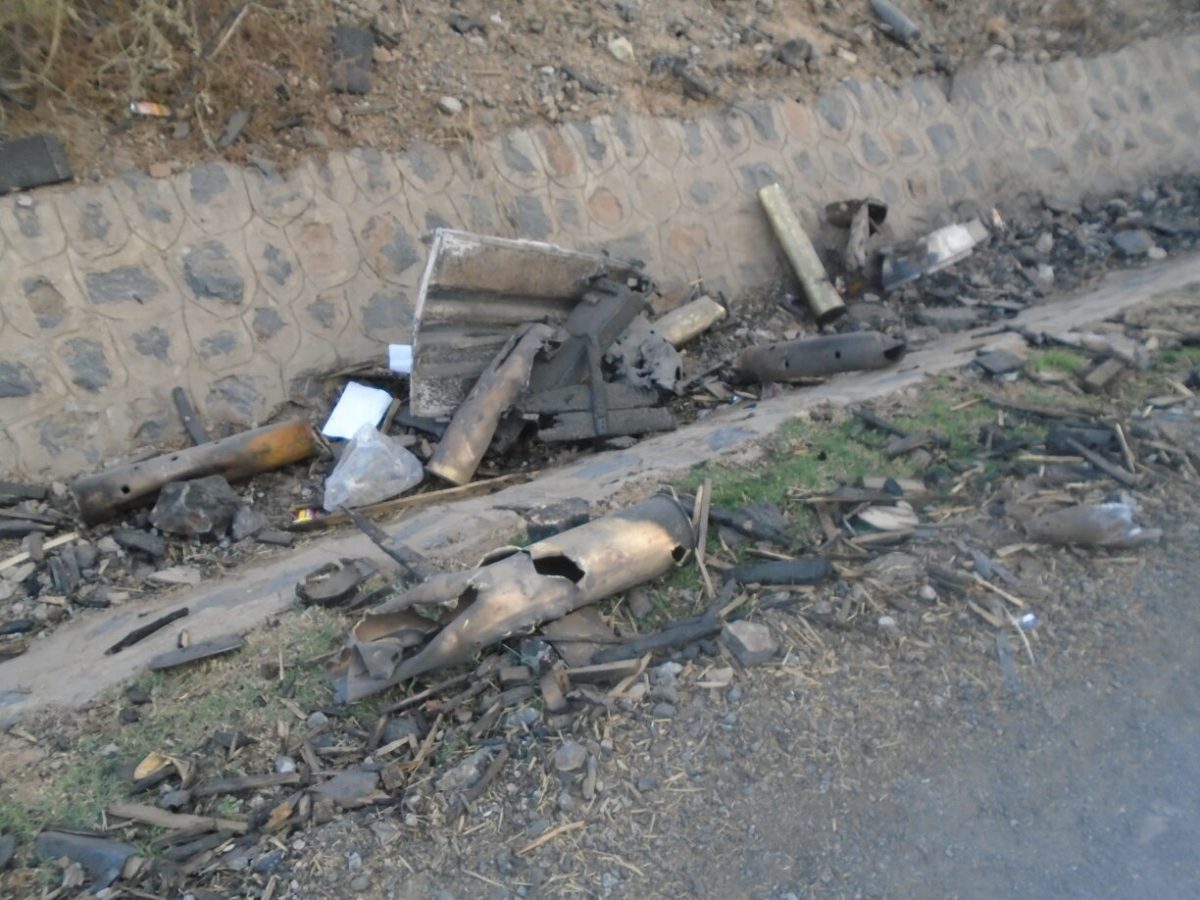
- Lead. Armed clashes broke out at dawn on 1 August near Sheraro, in Western Tigray zone, in what analysts describe as the gravest breach of Ethiopia’s November 2022 Pretoria ceasefire.
- Fact. The Pretoria agreement halted two years of fighting that killed hundreds of thousands, but left core disputes — TPLF disarmament, the group’s legal rehabilitation, and federal rebuilding obligations toward Tigray — entirely unresolved.
- Stake. A renewed war in Tigray would destabilise the Horn of Africa, compound an already severe humanitarian crisis, and potentially draw in Eritrea, Sudan, and Amhara militia forces.
Armed clashes erupted in Western Tigray on the morning of Saturday 1 August, close to Ethiopia’s border with Sudan, in the most serious breakdown of the 2022 Pretoria peace deal since it was signed. Both sides accused the other of firing first.
Tigray’s regional government said federal forces launched an assault from the direction of Shererina, advancing toward Sheraro. Abraham Belay, a government minister who led Tigray’s transitional administration during the earlier war, confirmed that fighting had taken place but said forces loyal to TPLF chairman Debretsion Gebremichael had initiated it. “Enough war,” Belay said. “Let us resolve our differences through dialogue.”
The Ceasefire That Left Everything Unresolved
The Pretoria agreement stopped the guns in November 2022 after roughly two years of conflict in which hundreds of thousands of people were killed and famine conditions spread across much of the region. But analysts have long warned that the deal was a ceasefire dressed as a settlement, because it deferred every question that would ultimately force a reckoning.
Among the outstanding issues: when and how the Tigray Defense Forces would disarm, whether the TPLF would be legally rehabilitated as a political party under Ethiopian law, and what specific obligations the federal government held toward a region it had bombarded, blockaded, and subjected to documented famine. None of those questions has been answered in the three years since Pretoria.
Expert Warning: Most Serious Incident Since 2022
Kjetil Tronvoll, an Ethiopia specialist at Oslo New University College, described the August 1 clashes to Al Jazeera as the “most serious incident” since the 2022 peace agreement, adding that the deal had halted the fighting but left “the core reasons of conflict between Mekelle and Addis” intact.
Faisal Roble, another analyst, issued a starker assessment: “Without a powerful international intervention, we could be heading to a much larger war.”
A Fragile Region on Edge
Western Tigray is among the most contested areas of the agreement. The zone, which borders Sudan, remains a flashpoint partly because of competing claims between Tigray’s regional authority and ethnic Amhara groups, whose militias — the Fano — were allied with federal forces during the earlier war.
Any resumption of sustained combat would place enormous additional strain on a humanitarian situation that is already severely degraded. Hundreds of thousands of internally displaced people remain in makeshift camps across Tigray and neighbouring Amhara with limited access to food and medical care.