
- Scale. Ukraine launched over 400 drones toward Moscow and its wider metropolitan region overnight — the largest single drone blitz of the war, according to Moscow Mayor Sergei Sobyanin.
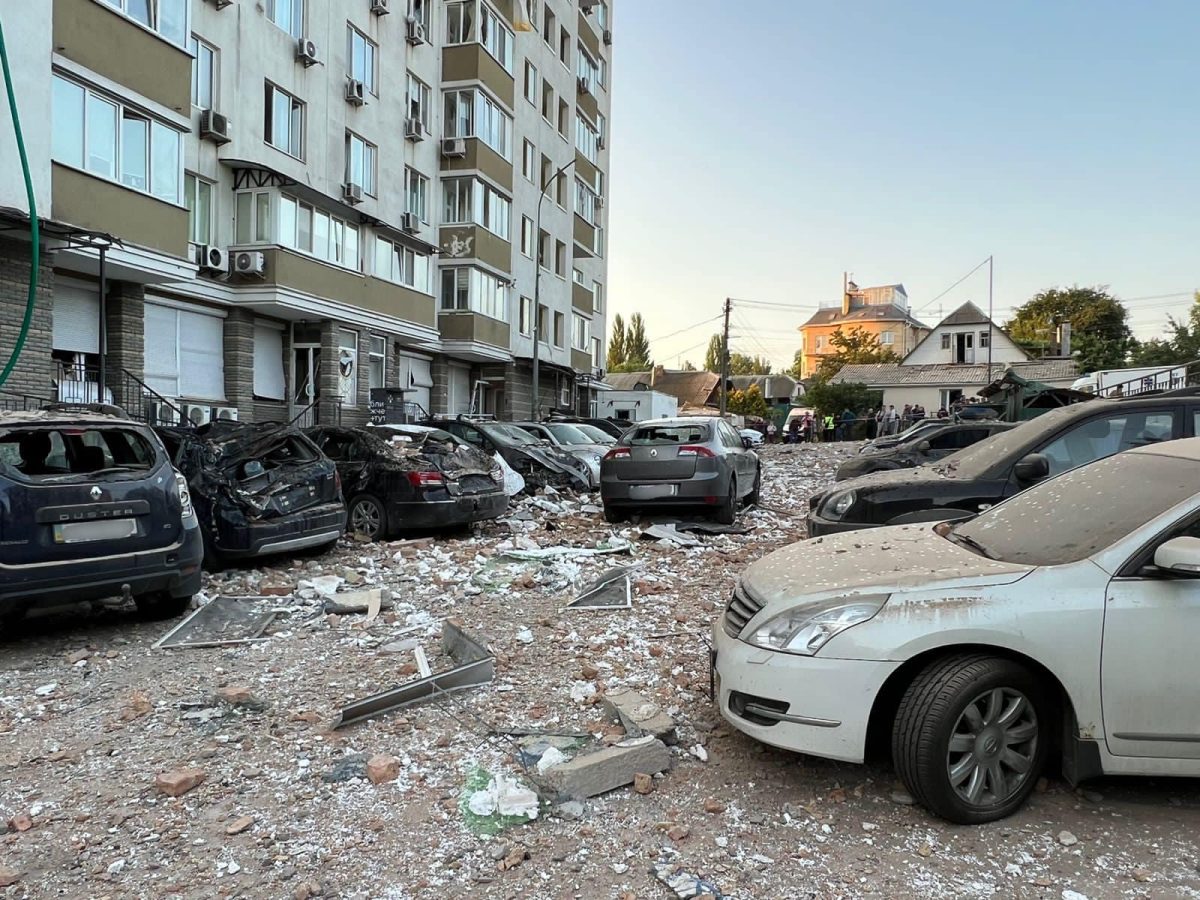
- Damage. The attack injured ten people including one child, struck an oil depot and logistics centre, and damaged residential buildings in Podolsk, Domodedovo, and Odintsovo.
- Cycle. The blitz came hours after Russia bombarded Kyiv with ballistic missiles, continuing the war’s relentless tit-for-tat escalation in aerial attacks on civilian infrastructure.
Ukrainian forces launched more than 400 drones toward Moscow and the wider capital region in an overnight attack in early August 2026, the largest single aerial assault on Moscow since the invasion began in 2022. Moscow Mayor Sergei Sobyanin confirmed that 85 drones were intercepted in the city’s immediate vicinity, with most others shot down further out, but the sheer scale of the attack overwhelmed air-defence coverage and allowed strikes to reach multiple districts, Euronews reported.
Targets and Impact
Confirmed strikes hit an oil depot and a logistics centre south of Moscow, setting off a fire at the Yuzhnye Vrata industrial park roughly 30 kilometres from the Kremlin. Three residential districts — Podolsk, Domodedovo, and Odintsovo — sustained damage to apartment blocks and civilian infrastructure. Ten people were injured, including one child.
Separately, Ukrainian forces struck two shadow-fleet tankers and four cargo ships in the Black Sea during the same overnight operation, maintaining simultaneous pressure on Russia’s maritime supply and energy export capacity.
Zelenskyy’s Framing
President Volodymyr Zelenskyy defended the operation in terms that have become standard since Ukraine’s drone campaign against Russian strategic targets intensified: “We are justly responding to every Russian strike on our cities and communities. This war must be ended, and that is possible only by intensifying pressure on the sole cause of this war.”
The strike followed Russia’s bombardment of Kyiv with ballistic missiles the previous night, which killed one person and injured 16 others. The Institute for the Study of War noted that Russia had launched more ballistic missiles against Ukraine in July than the country reportedly produces in any given month — a pace of expenditure that analysts say cannot be sustained indefinitely without affecting operational planning.
A Deepening Escalatory Spiral
The Moscow blitz is the latest in a sequence of Ukrainian attacks pushing further into Russian territory. In earlier operations, Ukrainian forces destroyed storage facilities at Engels air base — used to station long-range strategic bombers — and struck refineries in Bashkortostan. In what officials described as Ukraine’s deepest overnight raids, drones also hit the Saratov refinery, cutting into fuel supplies that sustain Russian military logistics in the south.
The 400-drone Moscow attack represents an order-of-magnitude expansion from the limited forays of 2023 and signals Ukraine’s intent to impose direct costs on the Russian capital’s population and economy, paralleling what Russian strikes have done to Kyiv, Kharkiv, and Odesa throughout the conflict. Whether it shifts the military balance remains disputed, but it has demonstrably driven up Russian air-defence expenditure and civilian anxiety far from the front lines.