
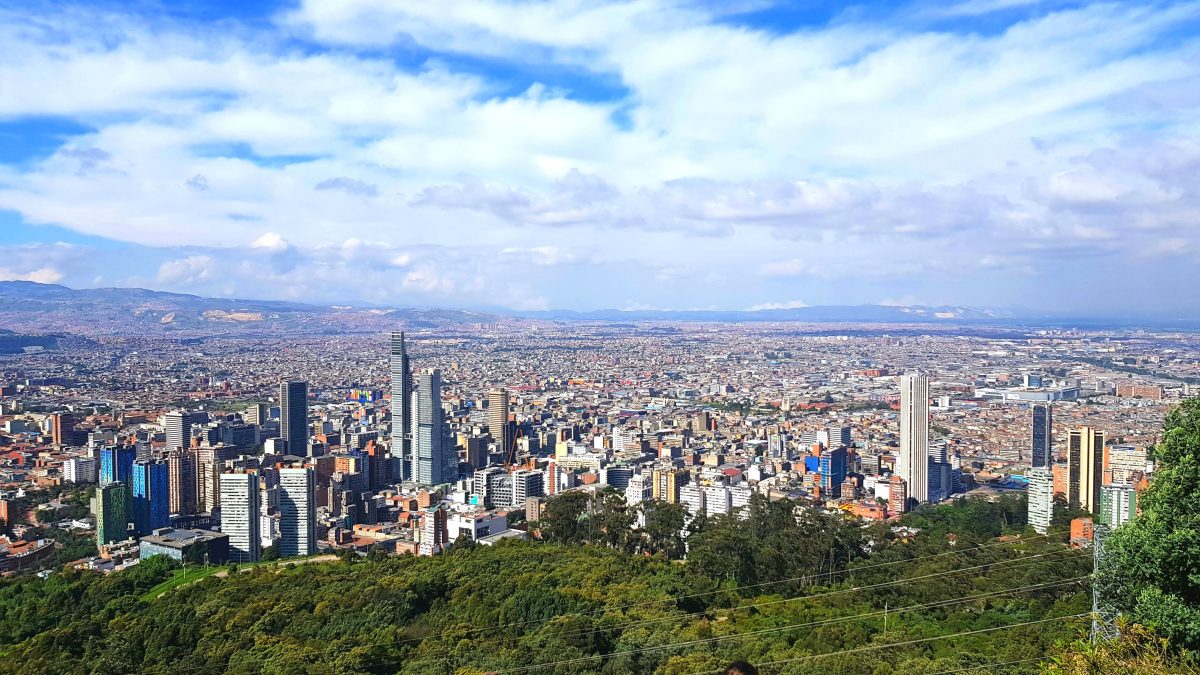
- Lead. Abelardo de la Espriella was sworn in as Colombia’s 32nd president on August 7, 2026, ending Gustavo Petro’s four-year leftist administration and setting the country on an abrupt rightward course.
- Fact. De la Espriella defeated Iván Cepeda by approximately 250,000 votes out of 26.3 million cast — a margin of 0.96 percentage points, the narrowest in any Colombian presidential runoff since the two-round system began.
- Stake. His party holds one Senate seat and four House seats, leaving him dependent on the very traditional political blocs he spent his campaign denouncing.
The Tightest Vote Colombia Has Ever Seen
Turnout reached 63.6% on June 21, 2026 — the highest for any Colombian runoff on record — as voters chose between de la Espriella’s hard-right platform and Cepeda’s left-wing coalition. The final preliminary count showed de la Espriella taking 49.7% against Cepeda’s 48.7%, a gap of roughly 250,000 out of nearly 26 million valid votes, according to AS/COA.
Cepeda’s campaign announced it would challenge the result at roughly 33,000 polling tables — approximately 27% of the total — during the official scrutiny process, meaning certification could lag the inauguration by weeks. Petro announced he would wait for the final count before recognising a winner, adding an unusual cloud over an already-disputed transfer of power.
Who Is De la Espriella
A far-right lawyer with no significant prior elected office, de la Espriella campaigned on hardline security measures, fiscal austerity, and an explicit reversal of Petro’s push to wind down Colombia’s hydrocarbon sector. In his victory speech, he struck a conciliatory tone, declaring there would be “no winners nor losers” and “no retaliation, no persecution” — language calibrated toward a divided electorate rather than a triumphalist base.
His legislative position is precarious. With a single Senate seat and four House members, he will need to build coalitions with the centrist and conservative parties he previously attacked as corrupt — a familiar bind for Colombian presidents who win on anti-establishment platforms and then govern through the establishment.
A Pattern Across the Region
The result continues a pattern of close-fought, polarised elections across Latin America. Peru’s Keiko Fujimori also took office after a narrow runoff victory, inheriting a fractured congress and immediate legitimacy challenges from the losing side.
For US-Colombia relations, the shift away from Petro is significant. Petro had strained ties with Washington over extradition resistance and hostility to domestic oil production. De la Espriella’s pro-hydrocarbon, security-first stance signals a more cooperative posture toward Washington, and a harder line against Venezuela and ELN guerrillas operating across Colombia’s western borders.