
- Lead. Saudi Arabia, Turkey and Pakistan formalised the Mecca Joint Defence Agreement on August 7, pledging that any armed attack on one signatory will be treated as an attack on all three — language drawn directly from NATO’s Article 5.
- Fact. The pact, signed in Mecca by Crown Prince Mohammed bin Salman, President Recep Tayyip Erdogan, and Prime Minister Shehbaz Sharif, combines Pakistan’s nuclear arsenal and battle-hardened army, Turkey’s advanced drone systems and NATO membership, and Saudi Arabia’s financial weight.
- Stake. The agreement follows nearly a year of negotiations triggered by repeated strikes on Saudi territory from Iran, Yemen-based Houthi forces, and Iraqi Shia armed groups since a US-Israel attack on Iran on February 28.
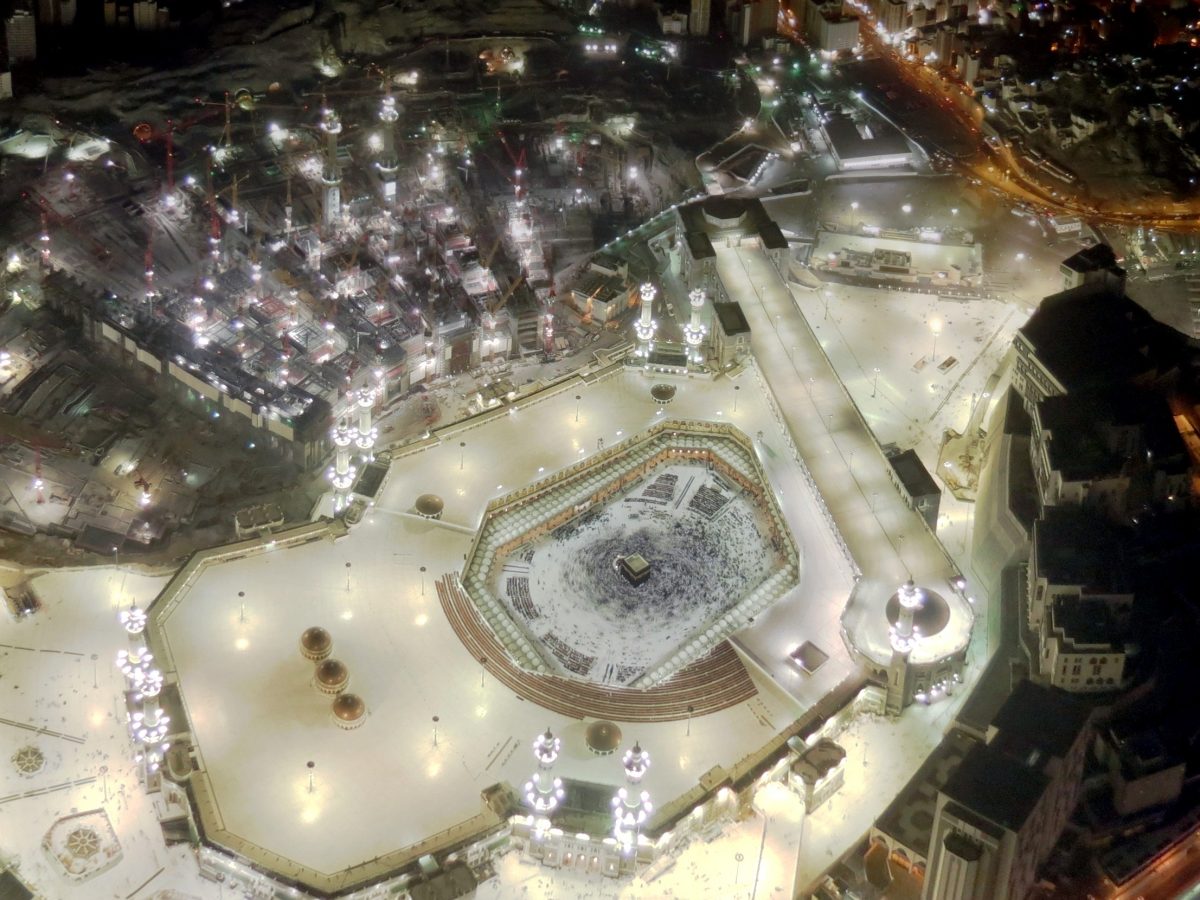
The three governments completed nearly a year of negotiations by gathering in Mecca for a signing ceremony that Turkish Foreign Minister Hakan Fidan described as creating a defence arrangement “technically the same” as NATO’s mutual defence clause. Pakistan’s Foreign Ministry confirmed the core language: “an attack on any member would be regarded as an attack on all,” designed to “strengthen collective deterrence.” Details of the agreement were reported by Al Jazeera, which cited official statements from all three governments.
What the Agreement Establishes
The structural architecture of the pact mirrors NATO in several respects. A committee of ministers, analogous to the NATO Council, will coordinate policy and operational decisions, while a permanent general secretariat based in Saudi Arabia will handle day-to-day affairs. The three parties bring complementary assets: Pakistan contributes nuclear capability and an army with extensive combat experience; Turkey brings Bayraktar and Akinci drone systems along with an existing NATO interoperability framework; Saudi Arabia provides the economic resources to sustain and expand the alliance.
Turkish President Erdogan said publicly that he would like to see the alliance grow, with Egypt identified by officials as a likely candidate for membership. Saudi Deputy Minister Rayed Krimly was careful to state the deal “does not represent any intention to build a military axis” and is “not linked to nuclear ambitions or an arms race.”
Context: Saudi Arabia’s Shifting Security Calculus
Saudi Arabia has faced a sustained pattern of strikes since Iran launched ballistic missiles at US forces in late February, a campaign that drew the Gulf states into direct exposure to spillover risks from the Iran conflict. Houthi drone and missile attacks from Yemen, and strikes attributed to Iraqi Shia armed groups, have raised questions in Riyadh about the reliability of US security guarantees at a moment of acute regional volatility.
The Mecca pact is an attempt to provide a credible regional deterrent without triggering a direct superpower confrontation. Pakistan and Turkey have exchanged warships and aircraft in previous bilateral defence exercises; the new agreement formalises and expands that relationship under a common treaty framework.
Iran’s Response and Regional Reaction
Iranian lawmaker Ebrahim Rezaei dismissed the agreement, stating that “a paper agreement will not bring them security.” The reaction from Washington and from other NATO members — who may view Turkish participation in a parallel collective defence structure with some ambivalence — had not been formally issued at the time of signing. The pact stops short of requiring signatories to deploy forces in each other’s conflicts automatically, with operational details to be set at the first ministerial committee meeting.