
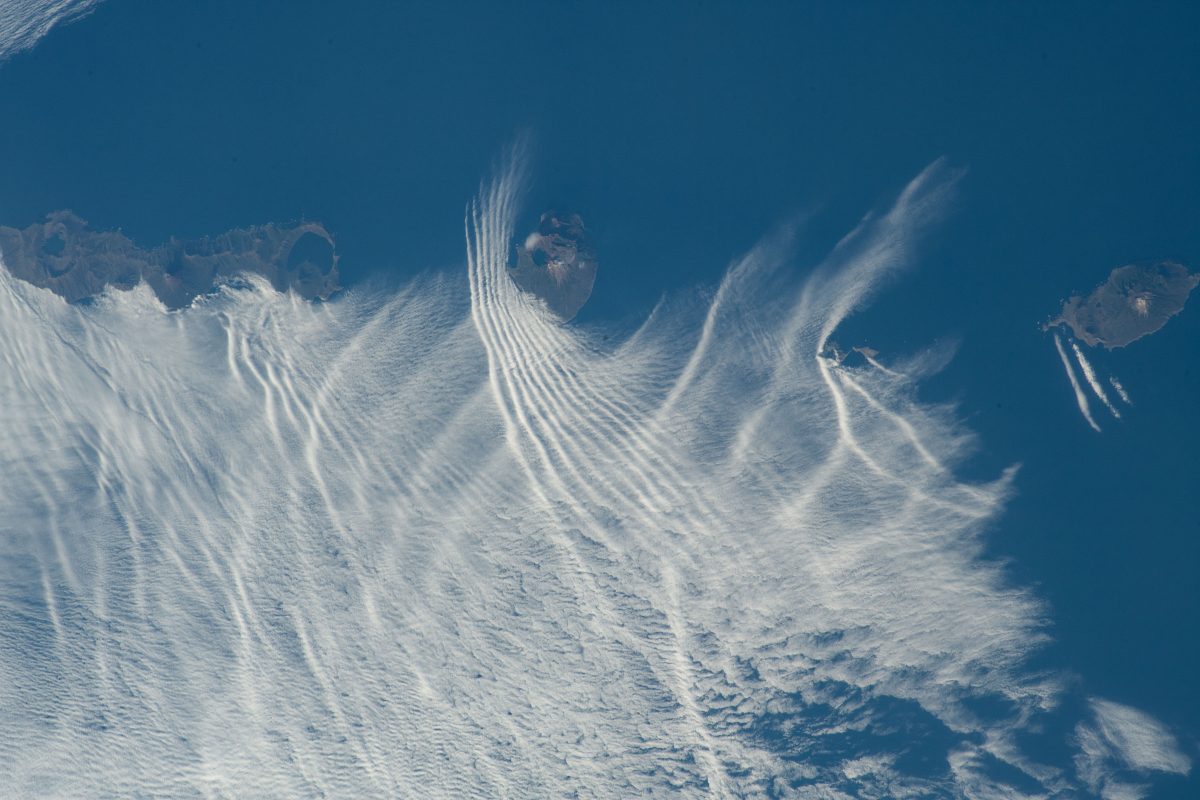
- Symbolic claim. Vladimir Putin toured Iturup island on August 13, 2026—his first trip to Russia’s administered Kuril Islands since taking office—in a move Russian state media framed as a routine regional inspection.
- Diplomatic protest. Japan’s Prime Minister Sanae Takaichi called the visit “absolutely unacceptable,” and Foreign Minister Toshimitsu Motegi summoned Russian Ambassador Nikolay Nozdrev to lodge a formal protest.
- Deeper rift. The trip widens a breach that has kept the two countries without a peace treaty since 1945, and comes at the lowest point in Russia-Japan relations since Japan joined G7 sanctions over Ukraine.
Putin’s itinerary on Iturup was deliberately understated. According to Al Jazeera, he met with the regional governor, toured a fish-processing plant, and visited a local hospital and school. The visit followed a stop on Sakhalin island the previous day, where the Russian navy held exercises. Russian state media transmitted footage of Putin in a light jacket surveying infrastructure on the island, giving the trip the visual grammar of a domestic policy tour rather than a geopolitical statement. Tokyo read it as both.
A Dispute With No Legal Resolution
The islands—known in Japan as the Northern Territories and in Russia as the Southern Kurils—are a chain of four island groups: Kunashiri, Habomai, Shikotan, and Etorofu (Iturup). The Soviet Union seized them in the final days of World War Two in August 1945, deporting roughly 17,000 Japanese residents who had lived there for generations. The expulsion left the two countries without the peace treaty that would normally follow a war’s end, a gap that has persisted for eight decades.
Japan renounced claims to the Kuril Islands under the 1951 San Francisco Peace Treaty, but the Soviet Union was not a party to that agreement. Moscow argues the islands were legitimately acquired at the Yalta Conference and have been sovereign Russian territory ever since. Tokyo maintains they fall outside what Japan surrendered under San Francisco and are “an inherent part of Japan’s territory both historically and under international law,” as Foreign Minister Motegi stated this week.
Roughly 20,000 Russian citizens now inhabit the islands. The chain is strategically important—it contains mineral deposits, valuable fishing grounds, and controls access to the Pacific from the Sea of Okhotsk.
Tokyo’s Formal Response
Japan summoned Ambassador Nozdrev to the Ministry of Foreign Affairs, the most visible diplomatic step Tokyo can take short of expulsion. Prime Minister Takaichi’s language—”absolutely unacceptable,” adding that the visit “offends the sentiments of the Japanese people”—was among the sharpest Tokyo has directed at Moscow in recent years.
The last serious attempt to resolve the dispute came under Prime Minister Shinzo Abe, whose government from 2016 onward pursued a framework for joint economic development on the islands as a confidence-building step toward an eventual peace treaty. Those talks stalled without agreement and were formally suspended by Russia after Japan joined Western sanctions in 2022.
What the Visit Signals
For Moscow, the Iturup visit is consistent with a broader posture: treat the islands as unambiguously Russian, reduce diplomatic costs of the dispute to zero, and eliminate any expectation of territorial negotiations. Putin characterized Japan’s 2022 sanctions as “unprovoked” and has since offered no concessions on what Russia treats as settled territory.
For Tokyo, the options are narrow. Japan cannot force Russia into negotiations it has no interest in holding, and the current government, led by Takaichi, faces domestic pressure to project firmness without the tools to back it up. The protest preserves the legal and diplomatic record but changes nothing on the islands themselves.
The absence of a peace treaty means the two sides lack even the basic legal framework most Cold War rivals eventually established. Putin’s first visit to Iturup since taking power tightens that knot further.