
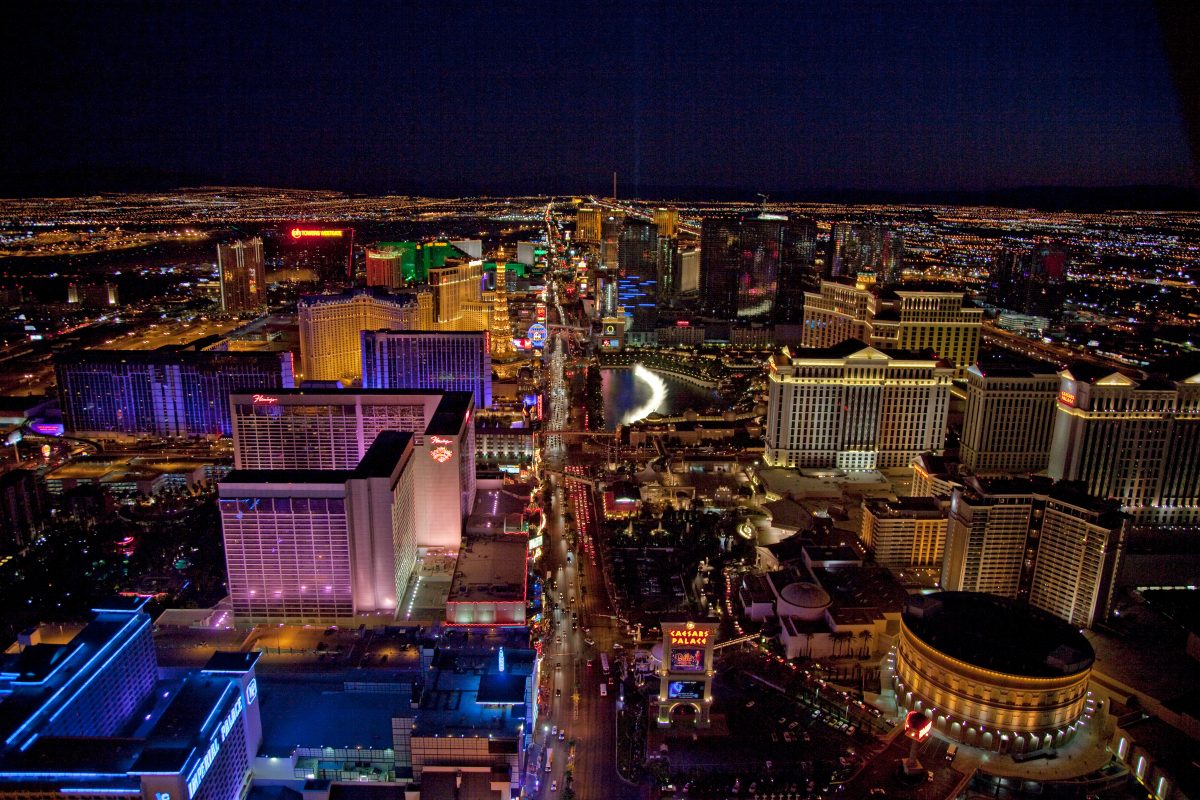
- Lead. Nevada’s transportation authority voted unanimously on August 20 to allow Tesla, Waymo and Uber to deploy up to 8,000 driverless robotaxis across Clark County — the largest autonomous-vehicle operating permit issued by any US state.
- Fact. Tesla was authorised for up to 5,000 vehicles, Waymo and Uber each for 1,000, and Zoox for an additional 100, all for commercial fare-charging rides in the Las Vegas area.
- Stake. The Nevada decision sets a regulatory template as Tesla simultaneously scales AI-chip manufacturing to power its autonomous systems, putting commercial pressure on regulators in states that have moved more cautiously.
What Was Approved
The Nevada Transportation Authority voted unanimously on Thursday to grant commercial operating permits to Tesla, Waymo and Uber — operating through its autonomous subsidiary Aviari Services — to charge passengers for driverless rides in Clark County, which encompasses Las Vegas. The permits are valid for twelve months and authorise a combined fleet ceiling of approximately 8,100 vehicles, TechCrunch reported on August 20.
The decision replaces an interim operating order that had capped Tesla’s Las Vegas fleet at just 10 vehicles — a fraction of the 5,000-vehicle ceiling now authorised. Waymo had already been permitted to operate without safety drivers in Las Vegas since July; Thursday’s ruling allows it to collect fares. Uber’s Aviari rides will be delivered through vehicles from Motional, a Hyundai subsidiary, and Zoox, which Amazon owns.
What the Companies Said
Tesla’s Cybercab chief engineer Eric Early tempered expectations about deployment speed. “The 5,000 has always been a ceiling for us,” Early said at the hearing. “I don’t think we’ll be in a position by this time next year to deploy 5,000 vehicles.” The remark signals that permit authority and production-ready scale are different things.
Opposition came from existing transport operators. The Livery Operators Association warned the authority that the permits risked “oversaturation of commercial transportation and roadway overcrowding,” particularly around the airport and the Las Vegas Strip. The authority acknowledged those concerns but approved the permits with data-reporting and oversight conditions attached.
National Significance
Nevada’s approval is the broadest robotaxi operating licence granted by any US state authority to date. Waymo operates commercially in San Francisco and Phoenix; Texas has been permissive toward Tesla and competitors; but neither jurisdiction has issued permits of this scale in a single vote. A large-scale commercial deployment in Las Vegas — one of the most heavily trafficked tourism corridors in the country — will be closely watched by regulators elsewhere.
Analysts note that Las Vegas offers relatively tractable conditions for autonomous vehicles: grid-like roads, moderate weather and a concentrated geographic footprint. Whether the Cybercab and its rivals sustain strong safety records there over the coming months will determine how quickly the regulatory template spreads to other US markets.