
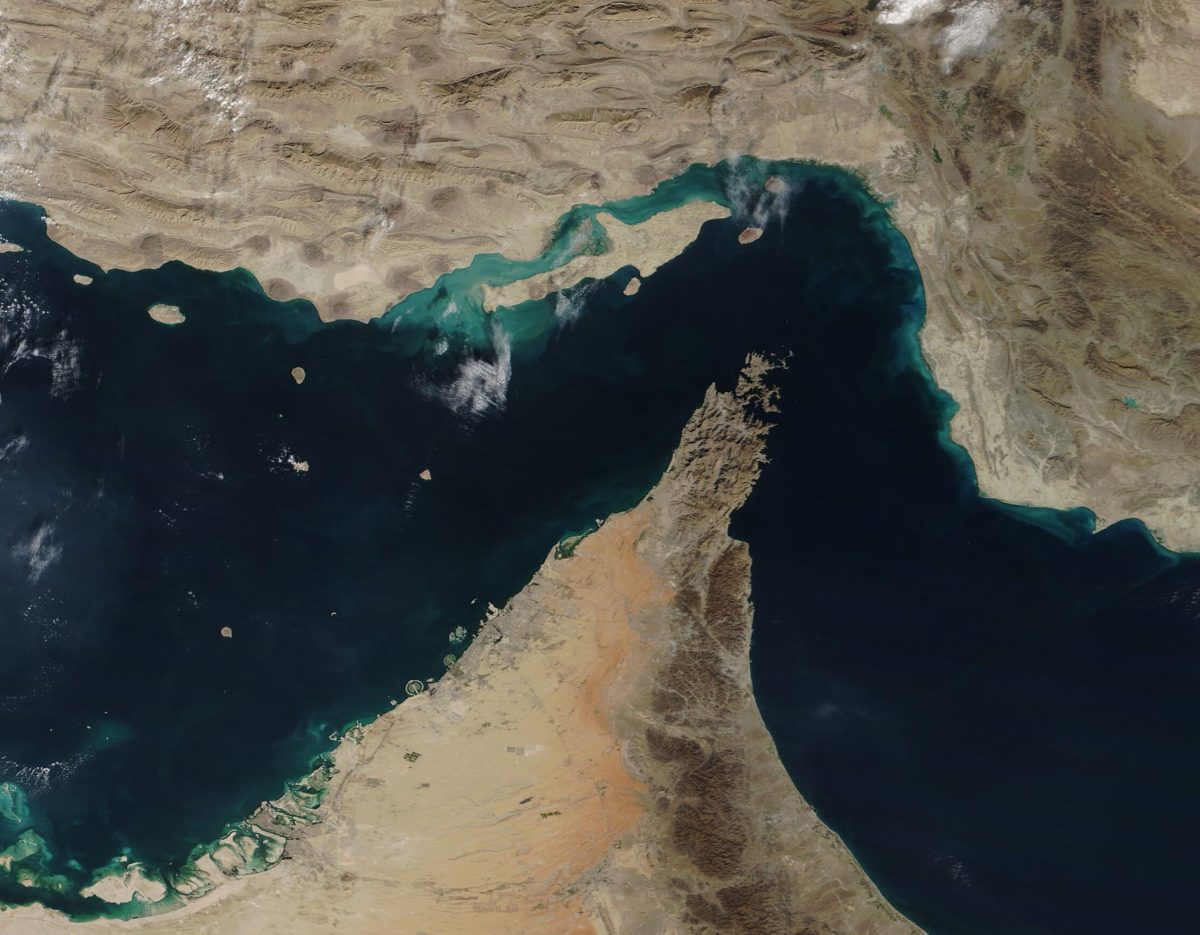
- Ceasefire over. A 60-day US-Iran memorandum of understanding signed in Islamabad on 18 June expired Monday without either side fulfilling its terms, leaving the Strait of Hormuz in its longest unresolved closure in modern history.
- New posture. Iran declared it is shifting to a “fully offensive” military stance, with a senior official warning that Iranian entities must prepare to escalate tensions in the strait if diplomacy fails.
- Conditions set. Tehran says it will not negotiate until Washington lifts its naval blockade, ends oil sanctions, releases frozen assets, and ceases military operations in the region.
The 60-day window to translate June’s Islamabad ceasefire agreement into a permanent settlement closed Monday without a deal, plunging US-Iran relations into a new phase of open-ended confrontation. The White House confirmed it would not seek to extend the memorandum of understanding; Iran’s Foreign Ministry said Tehran was shifting to a “fully offensive” military posture, according to a senior Iranian official cited by RTÉ.
How the MoU Collapsed
The June 18 agreement had envisaged a staged process: a ceasefire, followed by structured talks on Iran’s nuclear programme, sanctions relief and the return of frozen Iranian assets held abroad. It broke down within weeks, with both governments accusing each other of violations. Iran objected to continued US enforcement of its oil-export embargo; Washington said Iranian-linked groups resumed destabilising activity in the Red Sea corridor.
Mohammad Baqer Qalibaf, a senior Iranian official involved in the negotiations, stated that the Strait of Hormuz would remain closed until the United States met four specific conditions: lifting its naval blockade, ending oil sanctions, releasing frozen assets, and halting all ongoing US military operations in the region. With none of those conditions met, Monday’s deadline passed without progress.
Kushner’s Back-Channel Signal
Even as Tehran’s public posture hardened, Trump administration envoy Jared Kushner offered an unexpectedly measured reading of private communications. “Conversations between the US government and different areas of the Iranian government,” Kushner said, “is probably more robust than it’s maybe ever been.” Qatar has been working to broker a separate Iran-Oman agreement on Hormuz navigation rules to create a technical framework that might open space for renewed political talks, though Trump has previously warned Gulf states against interfering in the negotiating track.
Earlier coordination between Iran and Oman on strait navigation had established basic safety protocols, but those arrangements now appear stalled alongside the broader political process.
Regional Fallout
The UAE separately confirmed detecting two Iranian ballistic missiles in the days surrounding the ceasefire expiry, with one falling in Emirati territorial waters — a reminder of the strait’s proximity to Gulf population centres. Gulf governments that had pushed for a negotiated outcome now face a longer period of uncertainty over shipping routes and energy prices.
US Treasury Secretary Bessent’s pledge of the toughest Iran sanctions ever assembled remains the primary lever Washington holds, but analysts have questioned whether a sanctions regime Iran has spent decades circumventing — with China’s assistance — can now force the concessions Washington seeks. With the ceasefire gone and Iran declaring an offensive posture, the Hormuz strait’s future as an open waterway depends on whether quiet back-channel conversations can be converted into something more durable.