
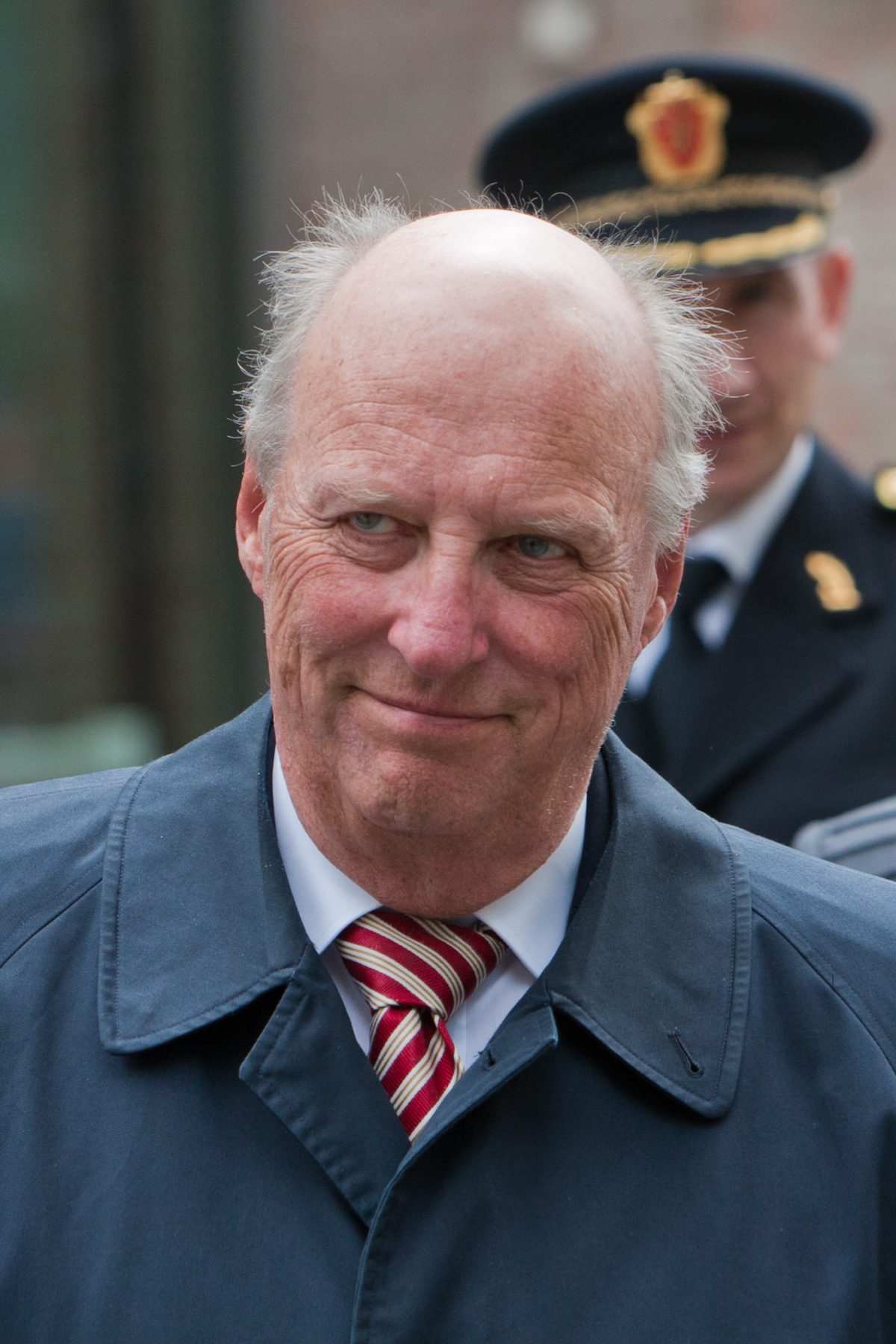
- Lead. King Harald V of Norway — Europe’s oldest reigning monarch — died on Friday at age 89, ending a 35-year reign that saw the country transform from an oil-rich welfare state into one of the world’s wealthiest democracies.
- Fact. His son, Crown Prince Haakon, 53, automatically became King Haakon VIII the moment his father died at 6:35 a.m. at Oslo University Hospital; Haakon’s daughter Ingrid Alexandra is now Crown Princess and heir apparent.
- Stake. The transition closes one of Europe’s most stable monarchical eras and introduces a younger royal generation at a moment when Nordic democracies face pressure from migration, energy policy and shifting alliance commitments.
The Norwegian royal palace announced on Friday morning that Harald had died peacefully at the National Hospital in Oslo. Born in 1937 in Asker, he had been king since January 21, 1991 — a reign of more than 35 years. Prime Minister Jonas Gahr Støre said in a statement: “A whole nation is in mourning and the people of Norway are left with a deep sense of gratitude for a long life in the service of Norway.”
A Reign Shaped by War and Openness
Harald’s personal story was inseparable from Norway’s twentieth-century history. He was three years old when Germany occupied the country in 1940, and was evacuated — along with his mother, Crown Princess Märtha, and his sisters — first to Sweden and then to the United States, where the family spent much of the war. He returned to Oslo in June 1945 when his father, King Olav V, led the liberation convoy back to the capital. The experience of exile gave him, by his own account, a lifelong attachment to democratic values.
As king, Harald resisted the ceremonial isolation that has constrained other European monarchies. He married Sonja Haraldsen in 1968 against considerable pressure to choose European nobility — a decision that democratised the royal household and was widely credited with reviving public affection for the institution. He was outspoken in support of LGBTQ+ equality and religious tolerance at a time when such positions were not universal among heads of state.
Succession: King Haakon VIII
Under Norwegian law, succession is automatic and instantaneous. Crown Prince Haakon, 53, became King Haakon VIII at the moment of his father’s death. Haakon and Queen Mette-Marit’s daughter, Princess Ingrid Alexandra, now steps into the position of Crown Princess and heir apparent. No formal coronation is required under Norwegian constitutional practice; Haakon is expected to be blessed in Nidaros Cathedral in Trondheim, following the tradition established by Harald in 1991.
Norway’s parliament, the Storting, was called into emergency session on Friday afternoon to formally register the succession. According to the Al Jazeera report citing the royal palace, Harald had been hospitalised for several weeks before his death, though no cause of death was officially given.
Europe’s Monarchical Landscape
Harald’s death leaves Europe with a notably younger set of reigning monarchs. Sweden’s Carl XVI Gustaf, 80, is now the oldest reigning European monarch, followed by Denmark’s Frederik X, who acceded in January 2024. The transition in Oslo is the first Norwegian royal succession since 1991, when Harald himself succeeded his father Olav V.