
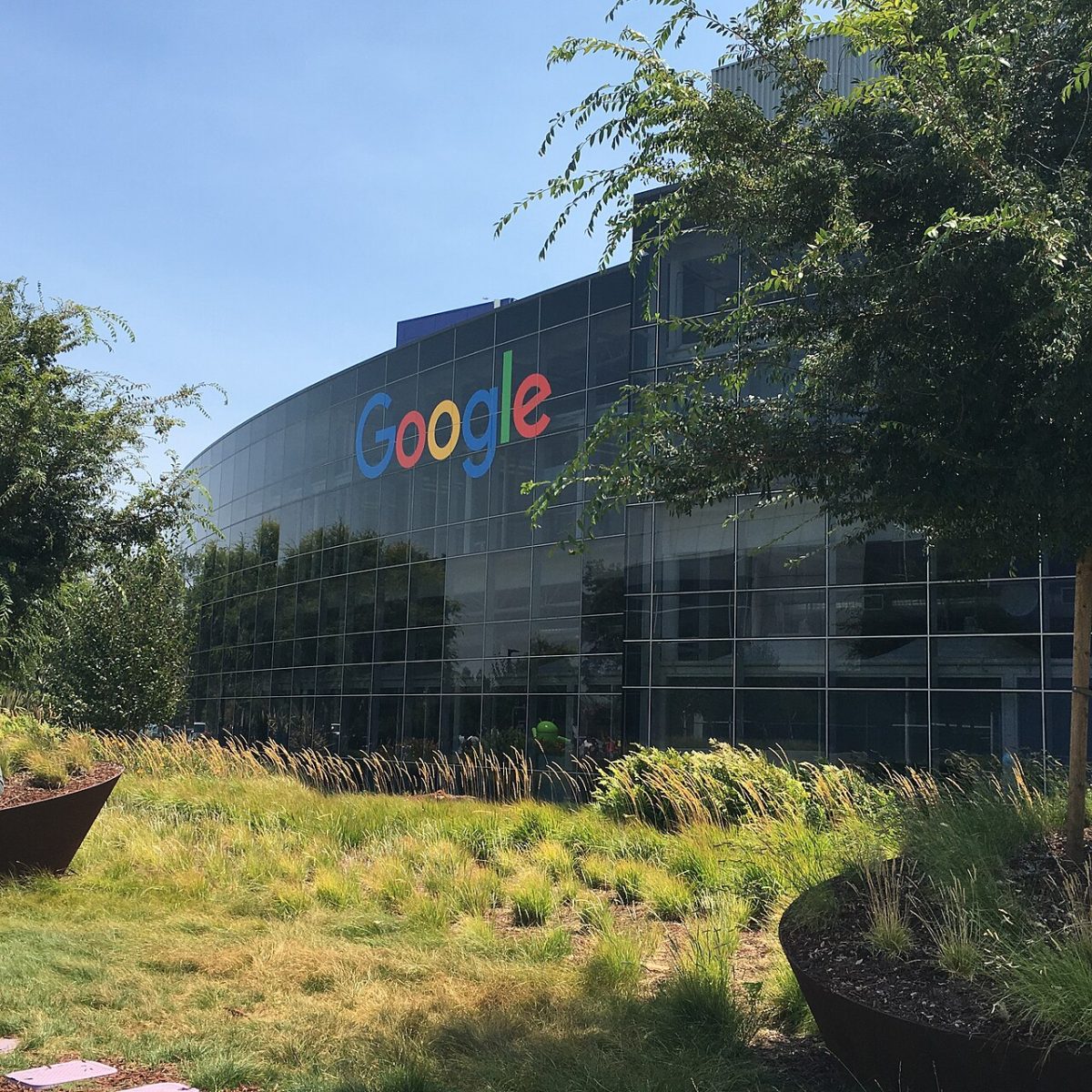
- Wide miss. Alphabet’s Q3 2026 earnings per share of $2.12 fell roughly 30% short of analyst consensus of around $3.00, ending eight consecutive quarters of beats and sending shares down more than 10% after hours.
- Cloud bright spot. Google Cloud revenue roughly doubled to approximately $30.7 billion — up 103% year on year — driven partly by sales of Google’s Tensor Processing Unit systems, but its strength was not sufficient to offset a sharp deceleration in the advertising business.
- AI capital cost. Operating cash flow of $42.3 billion was outpaced by $51.4 billion in capital expenditures for the quarter, leaving free cash flow deeply negative for the second consecutive quarter — a pattern emerging across the hyperscalers.
Alphabet released third-quarter results after the market close on October 28. TechFlow Post reported revenue of $127.577 billion, up 25% from a year earlier but below analyst consensus, and earnings per share of $2.12, which trailed estimates of roughly $3.00. Shares fell more than 10% in after-hours trading before partially recovering.
Advertising Slowdown
Google Search and other advertising revenue grew at 12% year on year — a meaningful deceleration from the 25–28% rates of recent quarters. YouTube advertising grew by just 9%. Both lines came in below analyst projections, and both were affected by softer advertiser spending across industries facing higher input costs from oil prices above $110 a barrel and ongoing tariff effects. Advertising still accounts for roughly 75% of Alphabet’s total revenue, meaning even a modest deceleration there has outsized implications for overall results.
Cloud Doubles, But AI Spending Pressures Cash Flow
Google Cloud’s 103% jump to approximately $30.7 billion was the clear positive in the quarter. The growth was driven in part by hardware: Alphabet has been selling its custom Tensor Processing Unit systems to enterprise customers as an alternative to Nvidia GPUs, and demand has been strong. Cloud, however, comes with heavier capital intensity than advertising. Alphabet spent $51.355 billion on buildings and equipment in the quarter — primarily AI data centres — against operating cash flow of $42.29 billion, producing negative free cash flow of $9.065 billion. Concerns about runaway AI infrastructure spending had already weighed on Nasdaq momentum in previous weeks.
A net loss of approximately $8.7 billion on equity investments also weighed on EPS, reducing earnings per share by roughly $0.55. That item represents a non-cash markdown rather than an operating shortfall, but it contributed to the gap between reported and expected EPS. Stripping it out, operating earnings were still below the headline consensus.
Broader Market Context
The S&P 500 gained 0.28% to about 7,744 on Wednesday before Alphabet’s result was released, and the Philadelphia Semiconductor Index rose 1.75% — suggesting the broader market remained constructive on AI-related spending going into the print. The after-hours reaction in Alphabet shares introduces a potential headwind for Thursday’s open, particularly for other large-cap technology companies with similar exposure to advertising and AI infrastructure costs.
Amazon and Meta are scheduled to report later this week. Both face similar scrutiny over cloud and AI capital expenditure trajectories. Meta had already disclosed a shift to negative free cash flow in its own recent earnings, and Amazon’s AWS growth rate will be closely watched in light of Google Cloud’s strong but expensive Q3 performance.
What Analysts Are Watching
The central tension in Alphabet’s results — and in the hyperscaler sector broadly — is whether AI infrastructure investment is generating revenue fast enough to justify the capital commitment. Google Cloud’s 103% growth rate suggests yes, at least in the cloud segment. But the advertising slowdown, which was not offset by AI-related products in the core search business, raises the question of whether AI is cannibalising Alphabet’s own revenue in ways not yet fully visible in the company’s segment reporting.