
- Spike. Brent crude hit $108.48 a barrel on Monday — up more than 4% from Friday’s close — after President Trump rejected Iran’s offer to reopen the Strait of Hormuz, before settling at $105.28 as diplomatic contact was expected to resume.
- Equity drag. US stocks opened lower as rising oil prices reinforced inflation fears, with the S&P 500 retreating roughly 0.75% toward the upside gap charted the previous Monday between 7,650 and 7,690.
- Yield pressure. Treasury yields continued their ascent as oil’s move added to Federal Reserve rate-hike bets, with investors reassessing the pace of disinflation in an economy still running above target.
Monday’s oil price move was swift and mechanical. As soon as weekend reports confirmed that President Trump had called Iran’s Hormuz proposal “not acceptable,” Brent crude futures for November delivery jumped in Asian trading, reaching $108.48 per barrel at 6:35 a.m. ET — a gain of roughly 4% — according to Yahoo Finance. US West Texas Intermediate futures rose in parallel, hitting $96.54 before the open.
The intraday peak did not hold. Prices pared gains through the New York session as reports emerged that diplomatic channels remained open and that further talks between Washington and Tehran were expected. Brent settled at $105.28 per barrel, WTI at $92.60 — still elevated but short of the intraday highs. Last week Brent had pulled back toward $97 as UNGA-week optimism briefly lifted risk appetite; that optimism has now unwound.
Why Oil Moved So Far, So Fast
The Strait of Hormuz backdrop amplifies every diplomatic signal. Before February 2026, approximately one-fifth of global oil supplies transited the waterway daily. Maritime intelligence platform MarineTraffic recorded just 132 vessel crossings in the week of September 21–27, compared with roughly 130 per day before the conflict. The market operates on thin physical supply margins, making geopolitical headlines disproportionately influential on price.
When Trump rejected Tehran’s proposal — which included an Iranian offer to reopen the strait within seven days in exchange for sanctions relief and asset unfreezes — the market priced in a continuation of the blockade. Gold also traded at elevated levels, quoted at $4,158.30 per troy ounce, as investors weighted safe-haven allocations alongside energy exposure. Bitcoin held near $83,163, broadly stable as crypto markets tracked risk sentiment with a lag.
Equity and Fixed Income Implications
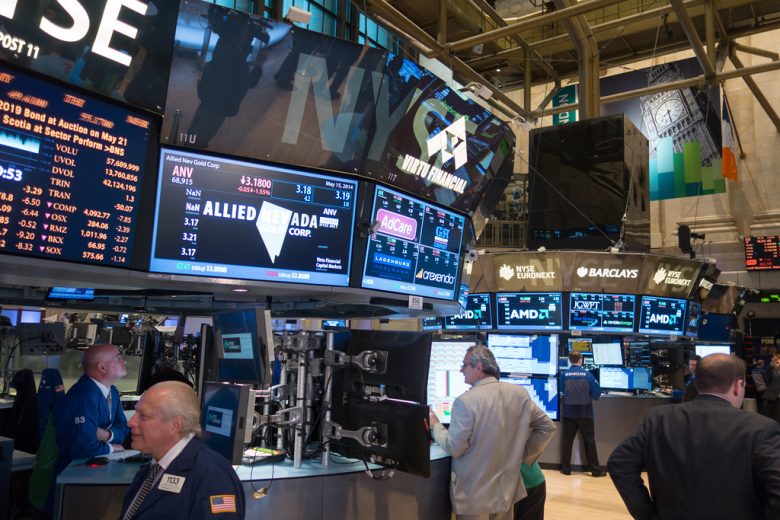
The oil spike compounded pressure on equity markets already contending with rising yields. The S&P 500 fell roughly 0.75% at the open, retracing toward the gap formed the prior Monday. Technology and AI shares, which had drawn investor interest last week, led the decline as higher discount rates weighed on long-duration growth assets.
In fixed income, the 10-year Treasury yield extended its recent climb. Elevated oil prices add directly to headline inflation measures and reduce the Federal Reserve’s tolerance for pausing its tightening cycle. The Fed raised the federal funds rate to 3.75%–4.00% at its September 16 meeting — its first hike in three years — and a sustained oil price above $100 per barrel would complicate any pivot toward a hold or cut before year-end.
Outlook
The $105–$108 range for Brent now acts as a technical and fundamental anchor, supported by tight physical supply and reinforced every time US-Iran diplomacy stalls. Whether prices break materially higher depends on whether the Oman back-channel produces a new proposal and whether either side signals genuine flexibility. The next concrete catalyst is the resumption of diplomatic contact, the timing of which neither Washington nor Tehran has specified.