
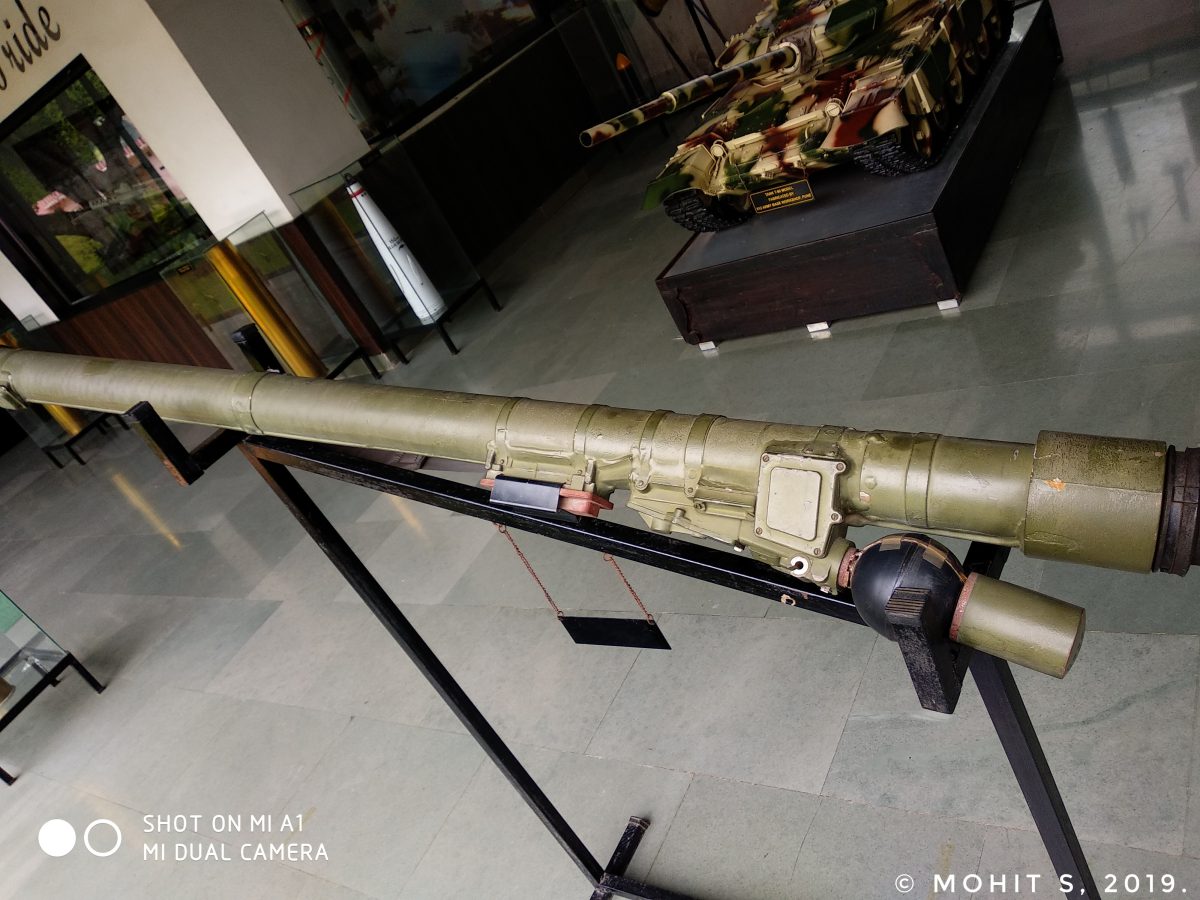
- Arms. China is set to deliver up to 400 shoulder-fired air-defence missiles to Iran within weeks, in one of Tehran’s largest-known weapons purchases since the outbreak of the Iran-US war, Reuters reported on July 28.
- Route. The shipment, valued at $60–70 million, is planned to travel by air from Urumqi in western China and transit through Pakistan before reaching Iranian military units.
- Denial. Both Beijing and Islamabad publicly rejected the report — China calling it “completely groundless” and Pakistan’s military labelling the transit allegation “absolutely concocted and false.”
What Reuters reported
A Reuters exclusive published July 28 cited multiple sources with direct knowledge of the transaction, describing a contract for between 300 and 400 man-portable air-defence systems — specifically Chinese-made QW-12 and FN-16 missiles. Iran International confirmed the reporting and identified the intermediary as Zhongqing Baoshang International Investment, a Hong Kong-registered company, which brokered the deal between Beijing and Tehran.
The purchase is described as one of Tehran’s most significant attempts to rebuild its short-range air-defence network after weeks of US and Israeli strikes on Iranian military infrastructure. MANPADS are shoulder-fired systems designed to engage low-flying aircraft and helicopters, providing ground forces a point-defence capability that longer-range surface-to-air batteries cannot replicate at close range. The $60–70 million price tag reflects a contract for a substantial portion of China’s exportable inventory of these particular systems.
Diplomatic context
The reported transfer arrives as US-Iran ceasefire negotiations remain precarious. Tehran recently fired ballistic missiles at US forces as an earlier ceasefire window closed, and diplomats are working through Gulf intermediaries to stabilise the situation. A Chinese arms transfer of this scale, if confirmed, would substantially deepen Beijing’s material involvement in the conflict and complicate any multilateral framework for a lasting halt to hostilities.
Pakistan’s Inter-Services Public Relations directorate issued a statement saying that “speculations of Pakistan being involved in supply of air-defence weapons to Iran from China are absolutely concocted and false.” Islamabad faces its own pressure from Washington to avoid facilitating Iranian rearmament. The public denial, issued quickly after the Reuters story was published, is calibrated to preserve those US relationships even as the sourcing — attributed to parties with direct knowledge — remains unretracted.
What Beijing is signalling
China has consistently characterised itself as a neutral party seeking a diplomatic resolution to the Iran conflict, while stopping short of condemning either Tehran or Washington. A transfer of this nature, if it proceeds, represents a clearer material commitment to Iran’s military capacity than Beijing has previously acknowledged. It signals that China is willing to accept a degree of diplomatic friction to ensure Tehran retains the means to contest its own airspace — a posture that aligns with Beijing’s broader interest in keeping Iran economically and militarily viable as a counterweight to US regional influence in the Gulf and beyond.