
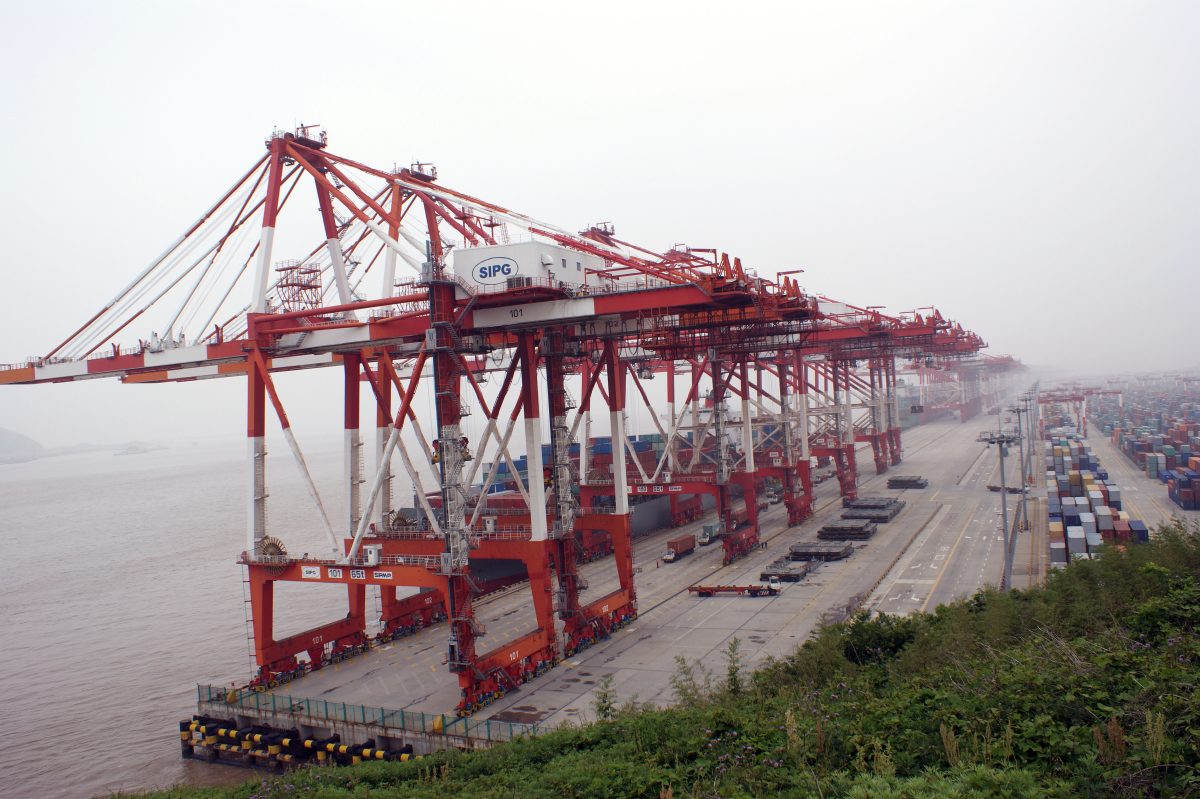
- Record pace. China has hit the $1 trillion surplus mark faster than in any previous year, and the full-year figure is on course to surpass 2025’s record $1.2 trillion.
- AI-driven exports. Semiconductor exports surged 137% in October by value, and imports of AI-related components also jumped sharply — suggesting the surplus is as much a function of the global AI build-out as of manufacturing cost advantages.
- Rebalancing pressure. Trading partners and the IMF have pressed Beijing to shift toward domestic consumption; the data show the opposite trend hardening.
China’s customs authority reported on November 10 that the country’s cumulative goods trade surplus reached $1.04 trillion in the first ten months of 2026, according to CNBC’s coverage of the release. The figure surpasses the full-year totals of every year before 2025 and puts China on course for a new annual record by year-end.
October in Detail
October exports rose 35.2% year on year, slightly above the 33.5% forecast in a Reuters poll. Imports climbed 41.6%, the fastest pace since May 2021 and well above the 32% consensus — driven partly by high-tech components. Imports of high-tech products rose roughly 72% by value. Crude oil, LNG and coal imports grew 41%, 50% and 60% respectively, reflecting both energy demand and restocking ahead of winter.
Despite the import surge, the monthly surplus still came in at $105.3 billion, narrowing from September’s $133.5 billion — its slowest growth in six months. Lynn Song, chief economist for Greater China at ING, described China as “well on pace for a new record high for the trade surplus by year-end despite the October miss.”
Who Is Bearing the Surplus
The bilateral surplus with the United States narrowed slightly to $32.7 billion in October, from $34 billion in September. The surplus with the European Union widened to $33.4 billion, as exports to the bloc rose 24.4% while imports fell more than 4%. A deal reached between the EU and China earlier this year capping Chinese hybrid vehicle imports at 350,000 units annually takes effect December 1 — well below the recent annualised pace of roughly 800,000 units, according to Brad Setser of the Council on Foreign Relations.
Structural Questions Persist
Domestic retail sales grew just 1.1% in September, illustrating the economy’s continued reliance on external demand. Capital Economics expects export growth to slow to around 8% in 2027 as base effects fade and global AI investment moderates. China’s Q3 GDP growth came in at 4.5% year on year, within the government’s 4.5%–5.0% target range, as reported in earlier coverage of the Q3 release. A US-China trade truce governing bilateral tariff levels is set to expire in January, adding a further layer of uncertainty to the 2027 export outlook.