
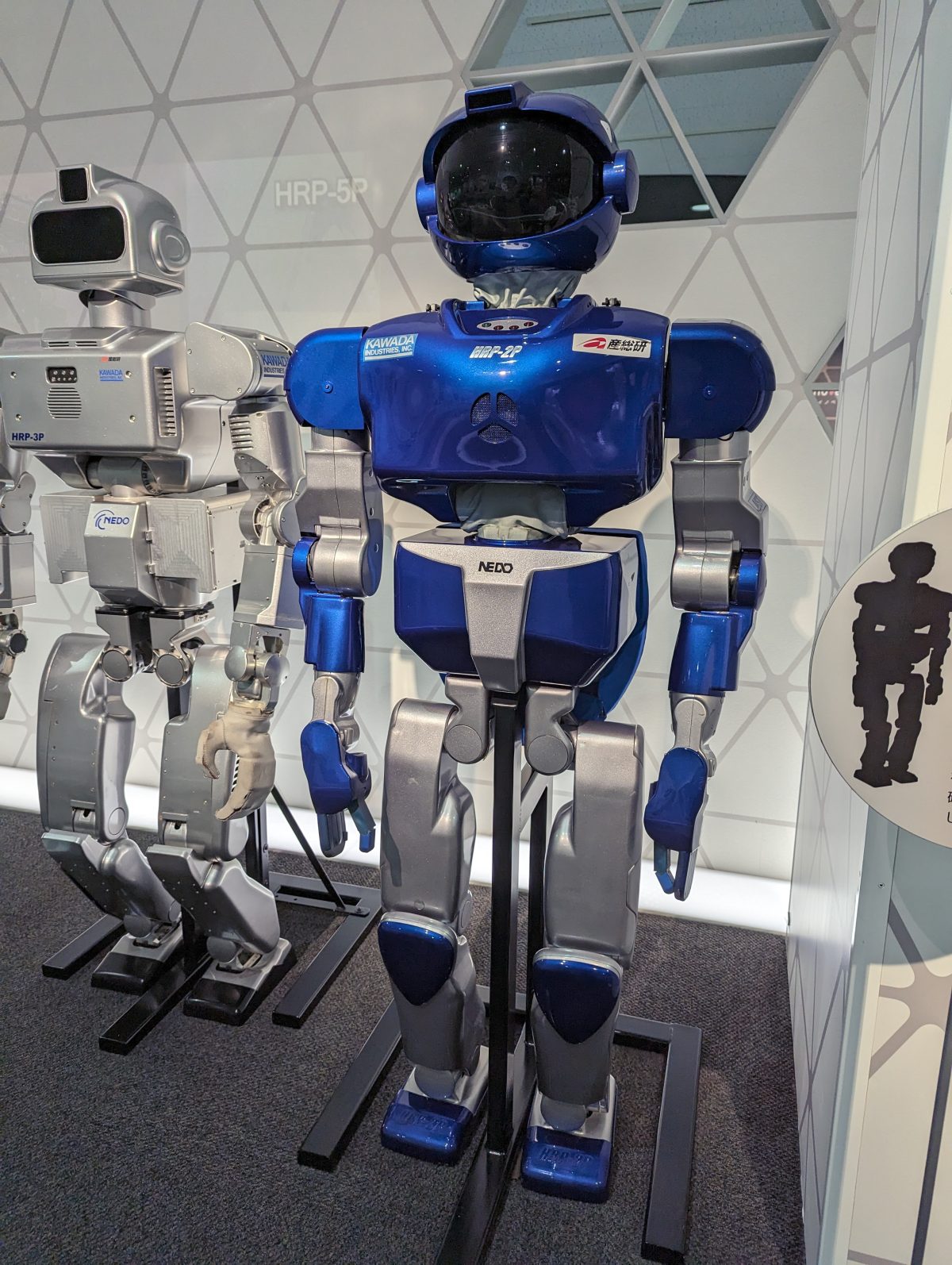
- Ban. The Federal Communications Commission moved on July 28–29 to block authorisation of new humanoid and quadruped robots from foreign manufacturers — in practice, targeting China, which holds an estimated 85% of the global humanoid robot market.
- Rationale. A White House task force concluded that the robots’ built-in cameras, microphones, sensors, and remote-control software can collect “detailed information about homes, factories, warehouses, and critical infrastructure” and could be remotely commandeered by adversarial actors.
- Timing. The ruling comes two months before a planned summit between President Trump and Chinese leader Xi Jinping, adding a fresh irritant to a bilateral agenda already dense with disputes over chip exports, Taiwan, and tariffs.
What the FCC ruled
The commission’s order applies to “advanced robotic devices” — a definition covering both full-body humanoid robots and four-legged quadruped platforms. Existing models that cleared FCC authorisation prior to the ruling remain available for sale and import into the United States; only new product certifications are blocked going forward. NBC News and the Associated Press both confirmed the scope of the order, which was developed following an interagency review initiated by the White House.
The FCC’s findings state that the robots pose risk because “their cameras, microphones, sensors, navigation systems, and remote-control software can collect detailed information about homes, factories, warehouses, and critical infrastructure” and could be “remotely commandeered” by malign actors. The task force drew on prior assessments of how Chinese-made network equipment — from telecoms infrastructure to connected vehicles — had already created exploitable access points in US critical systems, and applied the same analytical framework to mobile, sensor-rich robotic platforms.
China’s market position
The commercial stakes are substantial. Chinese manufacturers including Unitree Robotics and Deep Robotics have become dominant suppliers of quadruped platforms in the enterprise and research markets, while a cluster of better-funded startups — many with state-backed capital — have moved aggressively into full humanoid robots designed for warehousing, logistics, manufacturing, and elder care. With an estimated 85% global market share, Chinese firms had been positioned for significant US market penetration over the next two to three years as unit prices declined and deployment use cases matured. The FCC order effectively closes that entry point before it scales to commercially meaningful volume.
The ruling fits a pattern of technology restrictions that has widened from semiconductors to telecoms equipment to connected vehicles over the past four years. China has pursued its own parallel controls on outbound AI models and training data, signalling that both governments are moving toward a more comprehensive technology decoupling that now extends into hardware capable of operating autonomously inside homes and commercial facilities.
Beijing’s response and the diplomatic calendar
China’s Ministry of Foreign Affairs accused Washington of “protectionism masquerading as national security” and said Beijing “firmly opposes” the measure. The response was swift but calibrated: Chinese officials did not immediately announce retaliatory measures, suggesting they are weighing the ruling’s practical impact before deciding on a counter-move. Xi Jinping’s planned visit to Washington in September for a summit with President Trump means both governments have a diplomatic interest in avoiding a full escalation before that meeting — though each additional technology restriction narrows the space available for a reset.