
- Lead. The FTC and 22 state attorneys general filed a complaint against Amazon on August 31, alleging the company quietly converted its advertising auctions from second-price to first-price format without telling the more than 1.2 million advertisers who relied on them.
- Fact. The agency estimates Amazon extracted more than $20 billion above what a legitimate second-price auction would have charged since 2019 — affecting over 500,000 small and medium-sized businesses.
- Stake. The case arrives as a separate ruling against Google’s advertising practices works through appeals, amplifying regulatory pressure on the two companies that dominate digital ad markets.
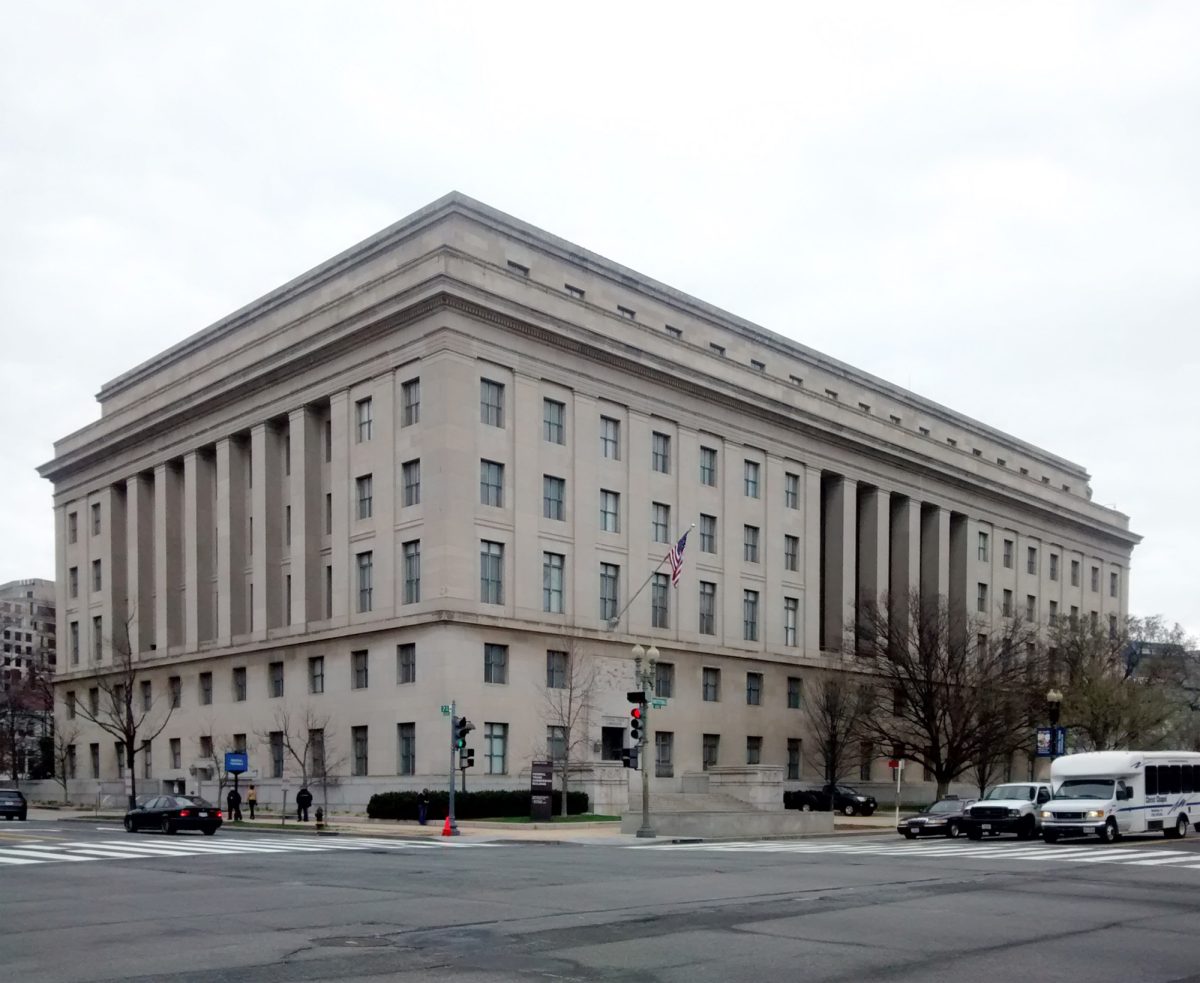
The Federal Trade Commission voted 2-0 on August 31 to file suit against Amazon in the US District Court for the Western District of Washington, joined by attorneys general from 22 states, according to an official FTC press release. The complaint alleges that Amazon secretly manipulated its sponsored product ad auctions starting in 2019, adding an undisclosed “soft reserve price” that caused advertisers to pay far more than the auction’s stated mechanics would suggest.
What Amazon Is Alleged to Have Done
Amazon’s advertising marketplace is structured as a second-price auction: in theory, the winner pays one cent above the second-highest bid, not their own maximum. The FTC alleges that from 2019 onward, Amazon quietly altered the underlying rules, charging winning bidders their own maximum bid approximately 80% of the time by 2024. This converted the auction into a de facto first-price system while representing it to advertisers as a standard second-price model. FTC Chairman Andrew N. Ferguson described it in plain terms: “Amazon has millions of advertising customers who were misled into paying significantly higher prices.”
Scale and Reach
The complaint names more than 1 million brands and sellers as harmed parties, of which more than 500,000 are small and medium-sized businesses that depend on Amazon’s sponsored listings for product visibility. The alleged overcharge accumulates to more than $20 billion since 2019. The 22 states joining the federal action include California, New York, Texas equivalents — with Alaska, Arizona, Colorado, Florida, Illinois, Indiana, Iowa, Kentucky, Louisiana, Maryland, Nebraska, New Jersey, North Carolina, Oklahoma, Pennsylvania, Rhode Island, South Carolina, Vermont and Washington among the signatories. The breadth of state participation signals a coordinated enforcement posture, similar to the multistate coalition that joined the FTC’s earlier Amazon Prime cancellation case.
Amazon’s Defence and What Comes Next
Amazon denied wrongdoing and said its auction model, which incorporates ad relevancy into bid ranking, has resulted in advertisers saving more than $8 billion from 2021 to 2025 relative to a pure bid-based system. The company argues that the relevancy weighting — the mechanism the FTC characterises as an undisclosed surcharge — actually improves ad performance and lowers effective cost-per-acquisition for most buyers. The case will now move through discovery, a phase that is likely to surface internal documents about the 2019 rule change. A parallel case is already reshaping digital advertising: a federal judge earlier ordered Google to end its own rigged ad auction practices, though the remedy fell short of the DOJ’s demand for a structural breakup.