
- Lead. Iran’s state media reported on September 2 that a US airstrike struck a wedding celebration in Kuhestak, a village in Sirik County within Hormozgan province, killing at least four people and wounding dozens more.
- Fact. US Central Command spokesman Capt. Tim Hawkins said the command is “aware of the reports” and is “looking into them,” declining to confirm or deny the strike.
- Stake. If substantiated, the incident would become the conflict’s most diplomatically costly civilian-harm allegation, complicating back-channel talks through Oman that have been seeking a durable end to US-Iran combat operations.
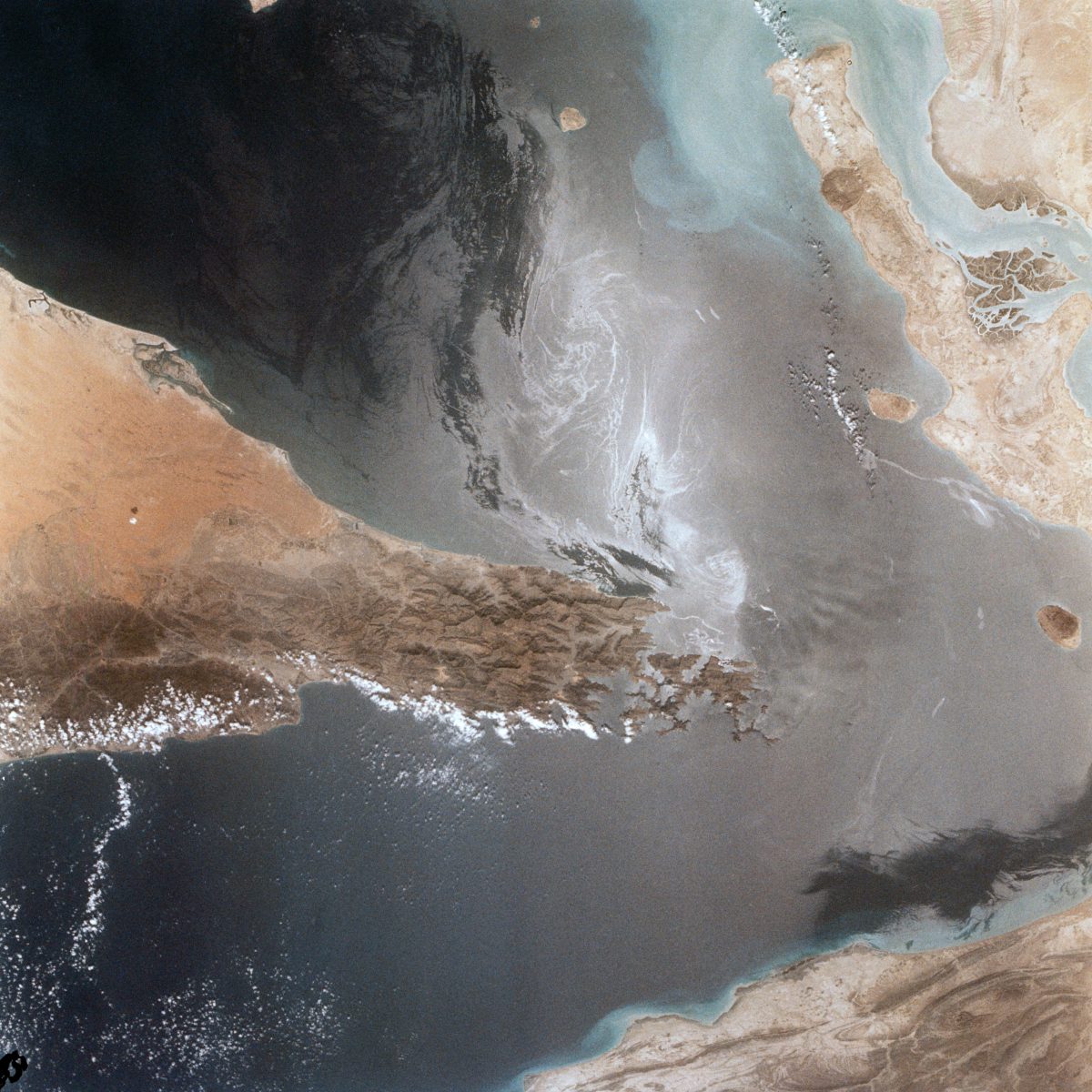
The reported strike in Kuhestak came on September 1 during what Iranian media described as a wedding ceremony at a private residence. Sirik County sits in Hormozgan province on Iran’s southern coast, close to the shores of the Strait of Hormuz—the same waters at the centre of the broader ongoing US-Iran military confrontation. Iranian authorities called the strike a war crime and demanded an international investigation.
CENTCOM’s Position
US Central Command has not confirmed or denied conducting a strike in Sirik County. In a statement on September 2, Capt. Tim Hawkins described the reports as originating from Iranian state media and said the command was reviewing available information. CENTCOM framed the broader September 1 strike package as a response to what the Pentagon described as Iran’s renewed attempt to lay sea mines in the strait and a missile attack against a US base in Jordan, all eight of whose interceptors were shot down.
President Donald Trump, speaking to reporters, confirmed the strikes were carried out and said he does not expect the conflict to persist much longer, offering no timeline. “Not too long,” he said when pressed.
The Strike Campaign and Diplomatic Exposure
The US military has been conducting intermittent strikes against Iranian Revolutionary Guard Corps positions along the Strait since the broader conflict began in late February 2026. The campaign’s focus has been on missile launch sites, naval assets, and coastal infrastructure that Iran has used to threaten commercial shipping. The Kuhestak incident is the most serious civilian-harm allegation to emerge from that campaign, and its proximity to the strait suggests it arose from operations targeting IRGC assets in the coastal zone.
For Iran’s diplomatic strategy, the allegation serves a clear purpose: projecting the image of a civilian population under attack to build international sympathy at a moment when the US is pressing Gulf states and European partners to maintain economic pressure on Tehran. For Washington, the reports add to the legal and political scrutiny over rules of engagement in a conflict that has no formal authorization from Congress under the War Powers Act.
The Oman Channel Under Strain
Delegations from the United States and Iran have been meeting intermittently through Omani intermediaries since a memorandum of understanding was signed in June. Those talks were already under strain following Iran’s declaration in late August that it was reverting to a “fully offensive military stance” after a sixty-day ceasefire expired. The Kuhestak claims, if pursued by Iran through international forums, could formally disrupt the channel or provide Tehran with leverage to demand pauses in US operations as a condition of continued talks.
The incident remains unverified by independent sources. The area is under strict access controls imposed by both Iranian authorities and the US military’s maritime exclusion zone around the strait.