
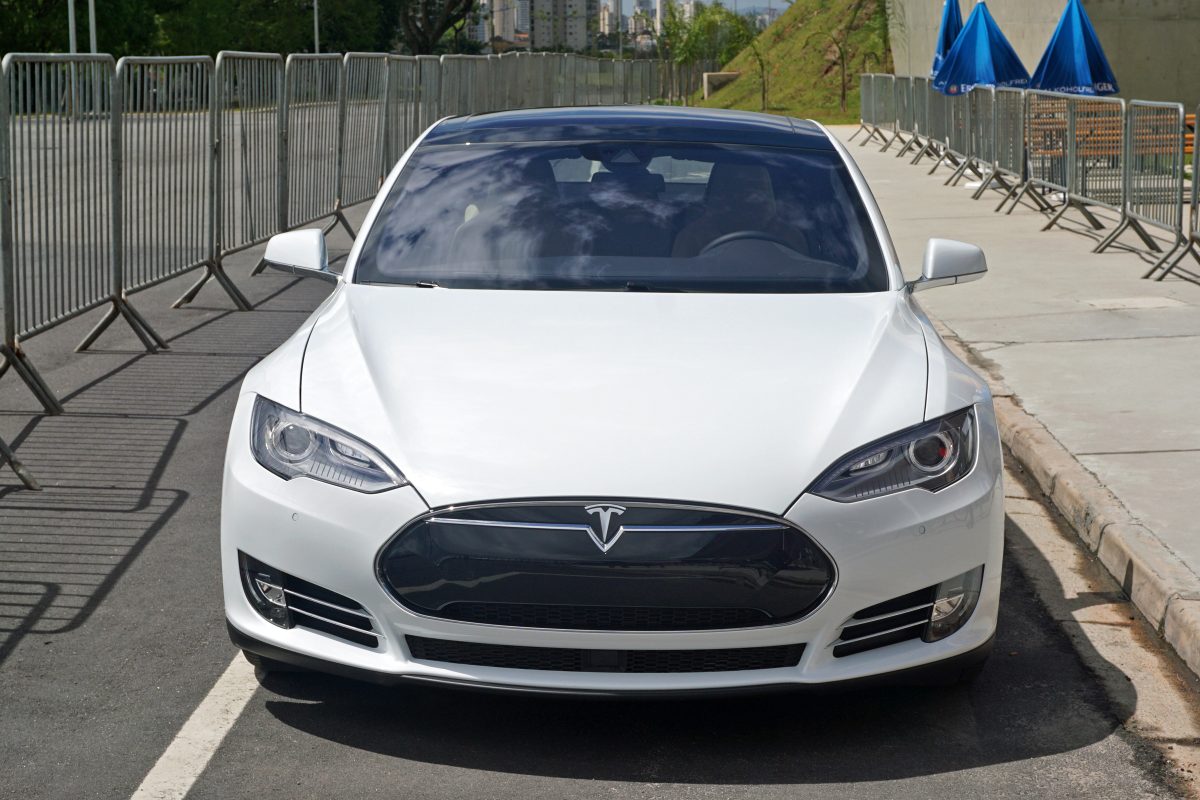
- Immediate scrutiny. The US National Highway Traffic Safety Administration opened a formal safety probe into approximately 1,000 Tesla Cybercabs shortly after the vehicles began carrying passengers on public roads in Austin, Texas.
- No pedals, no mirrors. The Cybercab lacks a steering wheel, brake pedal, accelerator pedal, and traditional mirrors — a design that has no direct legal framework under existing federal motor vehicle safety standards.
- Regulatory test case. The probe defines the central challenge facing the autonomous vehicle industry: how to assess the safety of hardware that existing rulebooks were not written to cover.
The US National Highway Traffic Safety Administration opened a formal investigation into approximately 1,000 Tesla Cybercabs shortly after the vehicles began operating on Austin streets, according to TechStartups.com. The probe focuses on whether the vehicles comply with existing federal motor vehicle safety standards — a question made structurally difficult by the Cybercab’s design, which omits the steering wheel, brake pedal, accelerator pedal, and traditional mirrors that those standards assume will be present in any road vehicle.
The Regulatory Problem
NHTSA’s safety standards were written around human-operated vehicles. When a car lacks the controls a human would use, it falls into a gap: the standards do not specify how to test for compliance when there is nothing to test against. The agency must either certify the Cybercab against modified interpretations of existing rules or initiate a formal rulemaking to create new standards — a process that typically takes years. The investigation does not preclude continued Cybercab operations while it proceeds, but it establishes NHTSA’s jurisdiction over the vehicle class and signals that the regulator intends to apply its authority regardless of how the technology is designed.
Austin and the Wider Regulatory Landscape
Tesla chose Austin as the launch market partly because the city and Texas have positioned themselves as permissive regulatory environments for emerging transport technology. State-level permission does not override federal safety findings, however. Nevada’s approval of 8,000 robotaxis for Tesla, Waymo, and Uber in Las Vegas in a separate proceeding illustrates the same dynamic: state governments can allow deployment, but NHTSA retains enforcement authority at the federal level.
Tesla disclosed no timeline for NHTSA’s review. The agency typically takes months to complete a preliminary investigation before deciding whether to escalate to an engineering analysis or a formal recall inquiry. Whatever NHTSA determines will set a precedent for how other pedal-free, mirror-free autonomous vehicles — from Waymo, Zoox, or future entrants — navigate federal safety certification, making the Cybercab probe a case study for the entire industry rather than a single company’s problem.