
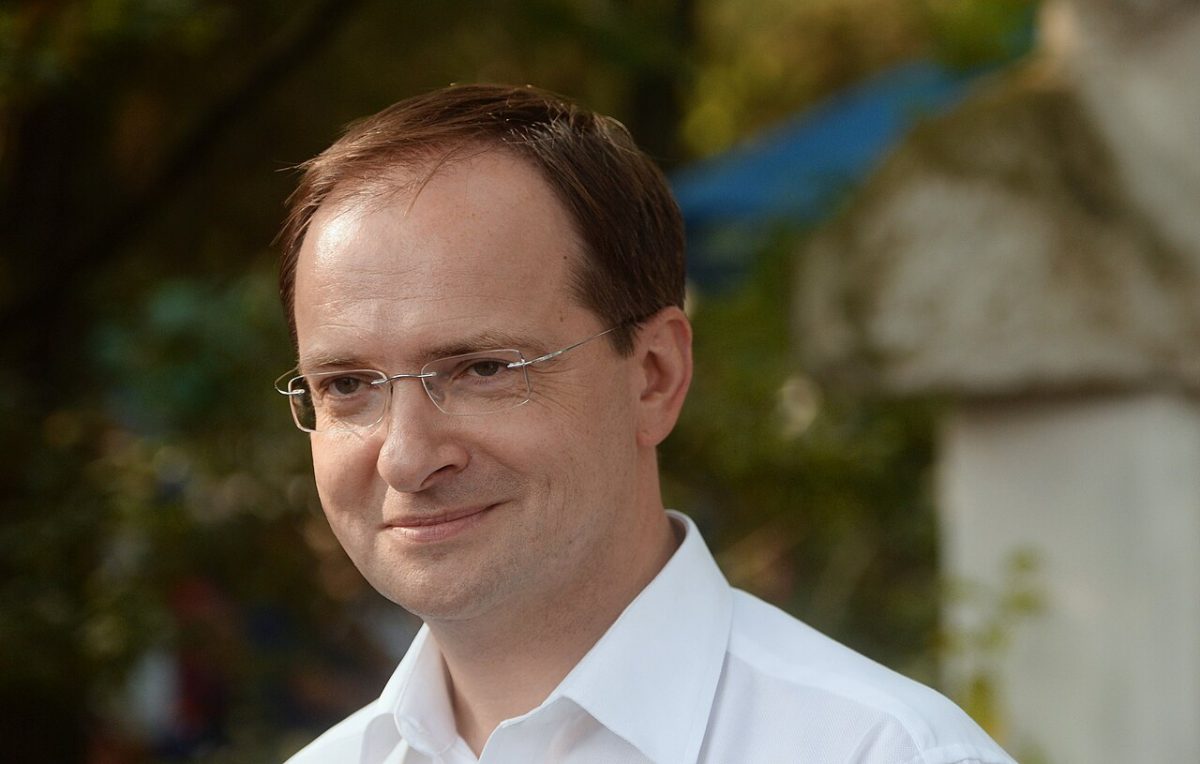
- Lead. Russia, Ukraine, and the United States opened a new round of peace talks in Abu Dhabi on Tuesday, the first trilateral session since February.
- Fact. Russia’s delegation is led by presidential aide Vladimir Medinsky; Ukraine’s by Defence Minister Rustem Umerov. The US brokered the format.
- Stake. European governments are pressing to join the talks, while Moscow has formally objected — a fault line that could determine whether any eventual agreement holds.
Negotiators from Russia, Ukraine, and the United States opened a new round of trilateral peace talks in Abu Dhabi on Tuesday, with both delegations arriving in the Emirati capital after weeks of acrimony over the format and over whether European powers should be represented at the table. The talks follow earlier rounds in the same city that have made limited progress; each side entered the latest session with stated positions that remain far apart.
Who Is at the Table
Russia’s delegation is led by Vladimir Medinsky, who headed Moscow’s negotiating team at the Istanbul talks in 2022 and has served as a close aide to President Vladimir Putin on cultural and historical affairs. Ukraine is represented by Defence Minister Rustem Umerov, who took the defence portfolio in September 2023 and has led Kyiv’s side in several sensitive negotiations, including the prisoner-exchange channel. The United States, as host and convenor, is represented through the State Department; Secretary of State Marco Rubio has not travelled to Abu Dhabi for this round.
Russia’s core public demands remain unchanged: Ukrainian territorial concessions covering the four regions Moscow claims to have annexed, a prohibition on Ukrainian NATO membership, and limits on the size and armament of Ukraine’s future military. Kyiv and its Western backers have rejected each of those conditions. Ukraine’s position, articulated repeatedly by President Volodymyr Zelensky, is that no agreement can formalise territorial losses made under military duress.
The European Question
The most visible procedural dispute arriving with the delegations on Tuesday is whether France, Germany, the United Kingdom, and other European powers will participate. France confirmed before the talks opened that European representatives would attend; Kremlin spokesperson Dmitry Peskov said categorically that European officials would not be part of the Russian-Ukrainian-American format. European capitals have pushed back against a process that could yield a security arrangement for the continent without their direct input.
The contradiction between Paris’s confirmation and Moscow’s denial was not publicly resolved by the time talks began on Tuesday. Diplomats familiar with the Abu Dhabi channel told journalists the first sessions would focus on humanitarian issues — prisoner exchanges and civilian corridor arrangements — rather than the territorial and security questions that have blocked agreement since February.
Low Expectations, High Stakes
Earlier US-brokered meetings in this channel, including sessions in Geneva and a prior Abu Dhabi round, produced no major breakthroughs. American mediation has focused on persuading Russia and Ukraine to agree on the structure of further talks rather than on substance. The gap between what Moscow demands and what Kyiv will accept is wide enough that analysts who track the channel describe the current process as confidence-building at best.
The talks come as both sides have continued striking each other’s infrastructure. According to NPR, European officials feared that talks could weaken existing security arrangements or grant Moscow greater influence over the European security architecture — a concern that has become the central political obstacle to a broader diplomatic process.