
- Lead. Sweden’s left-leaning bloc held a 176-to-173 seat advantage in results from Sunday’s general election, putting Social Democrats leader Magdalena Andersson on course to form a minority government.
- Fact. The far-right Sweden Democrats fell to 17.6%, losing 11 seats compared to their 2022 result of 20.5%, deflating expectations that they would enter government for the first time.
- Stake. No bloc has won enough seats to govern comfortably; drawn-out coalition talks between fractious partners are near-certain, and final official results will not be confirmed for at least one week.
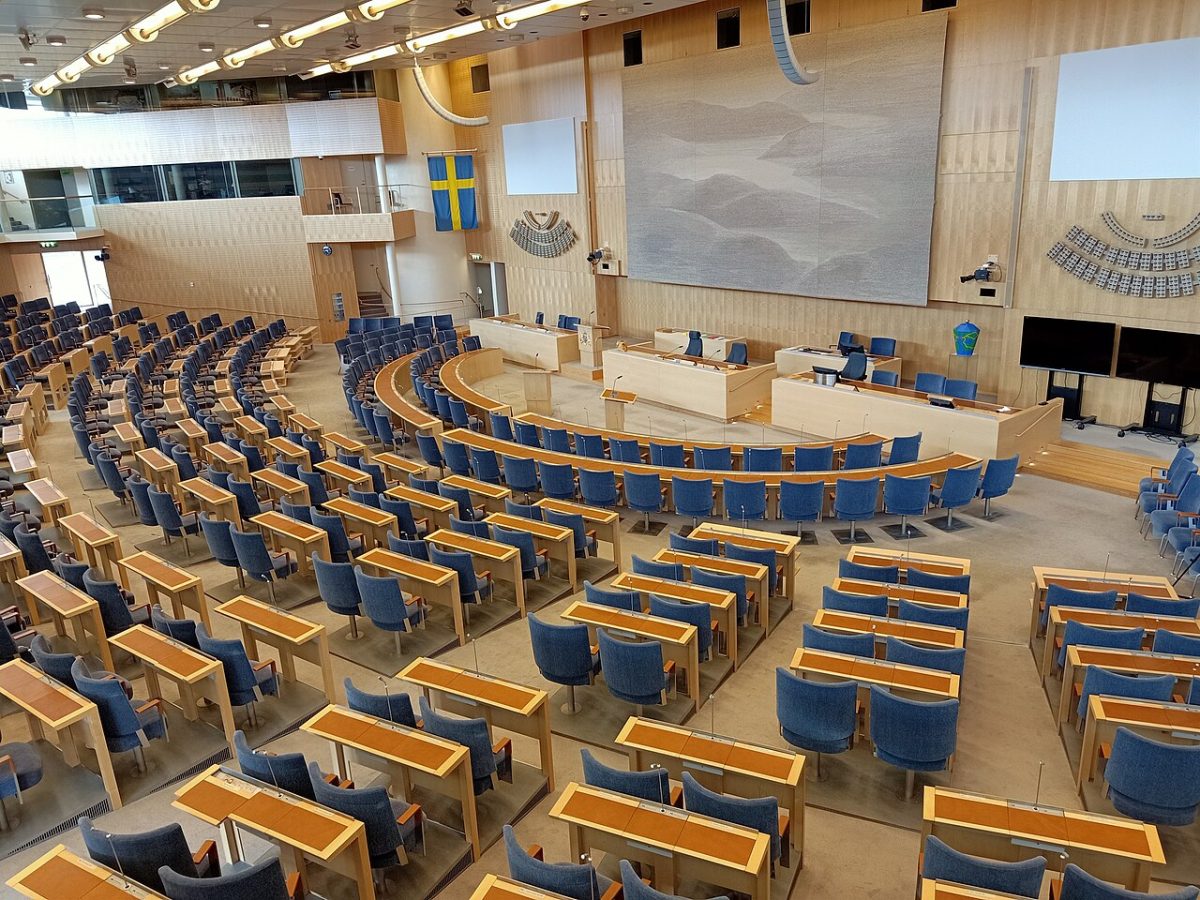
Sweden’s September 13 general election delivered a verdict too narrow to act on immediately. With 94.7% of votes counted, the Red-Green bloc of Social Democrats, Greens, Left Party and Centre Party held 176 seats against 173 for the centre-right Tidö alliance of Moderates, Sweden Democrats, Christian Democrats and Liberals, according to preliminary figures from the Swedish Election Authority.
Social Democrats Stay the Largest Party
The Social Democrats, led by former Prime Minister Magdalena Andersson, took 28.1% and 100 seats—down from 30.3% in 2022—but remained the single largest party in the 349-seat Riksdag. The Moderate Party of incumbent Prime Minister Ulf Kristersson won 19.9% and 70 seats. Andersson ran on a platform centred on welfare services, anti-gang policing and Sweden’s new NATO obligations, which she supported despite historically opposing membership. As head of the largest bloc, Andersson is expected to begin formal coalition talks, though the three-seat margin leaves her almost no room for defections.
Sweden Democrats Lose Ground
The election’s clearest signal was the retreat of Jimmie Åkesson’s Sweden Democrats, who fell to 62 seats from 73 in 2022. The party had been a cornerstone of Kristersson’s governing coalition and many pre-election polls had suggested they could finish second. Instead, voters appear to have shifted towards the Moderates and, on the left, towards Andersson’s party. As polling throughout the campaign indicated, the final result was exceptionally close, with the two blocs separated by fewer seats than almost any modern Swedish election.
A Long Road to Government
Under Sweden’s constitutional rules, the Speaker of the Riksdag nominates a prime minister candidate who must then survive a confidence vote. With the left bloc holding the narrowest of advantages, Andersson would need every partner to stay aligned. The Centre Party, a liberal-agrarian group that has previously co-operated with both sides, holds particular weight as a potential kingmaker. Official final results are expected roughly one week after election day, after postal and overseas ballots are tallied. Until then, party negotiations and Speaker consultations will run in parallel, with a new government unlikely before late October.