
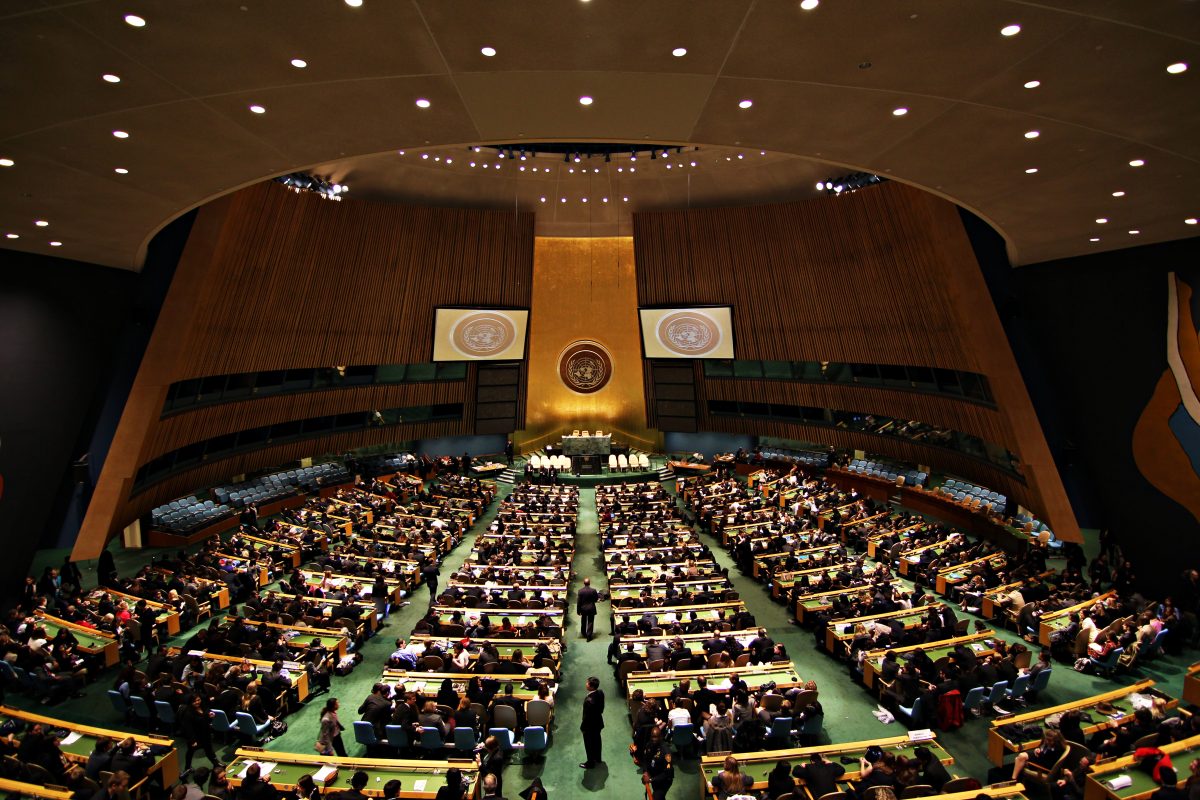
- Historic first. No sitting US, Chinese and Russian leaders have ever held a formal joint meeting — the Shenzhen sideline talks, planned for November 19, would be a structural novelty in great-power diplomacy.
- Agenda. Nuclear stockpiles and the Iran war are the stated topics; a senior US official said Trump does not plan to raise Ukraine.
- Limits. Officials and analysts say no agreements are expected, and Beijing’s willingness to join a nuclear pact remains uncertain.
The White House confirmed on Friday, November 13, that President Trump, Chinese President Xi Jinping and Russian President Vladimir Putin plan to meet on the sidelines of the Asia-Pacific Economic Cooperation summit in Shenzhen on Thursday, November 19. Officials described it as the first trilateral meeting of the three leaders, as reported by KSAT and other outlets citing an AP-sourced report.
What Is on the Table
A senior US official described the session as “the beginning of hopefully a conversation” on nuclear disarmament. Trump has called for a new three-way nuclear accord since the New START treaty expired in February, though Beijing — which has roughly 600 warheads against more than 5,000 for each of the other two powers — has historically shown little interest in such talks. The official acknowledged that nuclear arms is “a difficult topic for Beijing.”
The Iran war is the second focal point. Trump said he does not intend to discuss Ukraine during the trilateral session, a decision that alarmed Kyiv. Ukrainian President Volodymyr Zelenskyy warned that any deal reached without Ukraine’s participation could be used to impose terms on the country. That concern was flagged in earlier reporting on the summit, when Xi had also resisted a specifically Ukraine-focused format.
No Deals Expected
Edgard Kagan of the Center for Strategic and International Studies said the meeting signals that Putin wants to be seen making decisions on the Ukraine conflict alongside Trump and Xi, which European capitals view with deep suspicion. Kremlin spokesman Dmitry Peskov rejected comparisons to the 1945 Yalta conference, saying any potential outcomes “can’t be imposed on others.”
Analysts across the board do not expect concrete outcomes. What the meeting does establish is a formal three-way communication channel — the first of its kind — that could shape the structure of subsequent diplomacy on both nuclear and Middle East issues. Trump is also scheduled for a bilateral working lunch with Xi on the same day, which may prove more substantive than the trilateral photo opportunity. The summit comes after Putin first floated the idea of a three-way APEC meeting earlier this autumn.
What Comes Next
The meeting itself is planned for a single session, with no joint statement announced. Its significance will depend less on what is said in the room and more on whether it opens a durable back-channel on arms control — an outcome that China’s posture makes far from certain.