
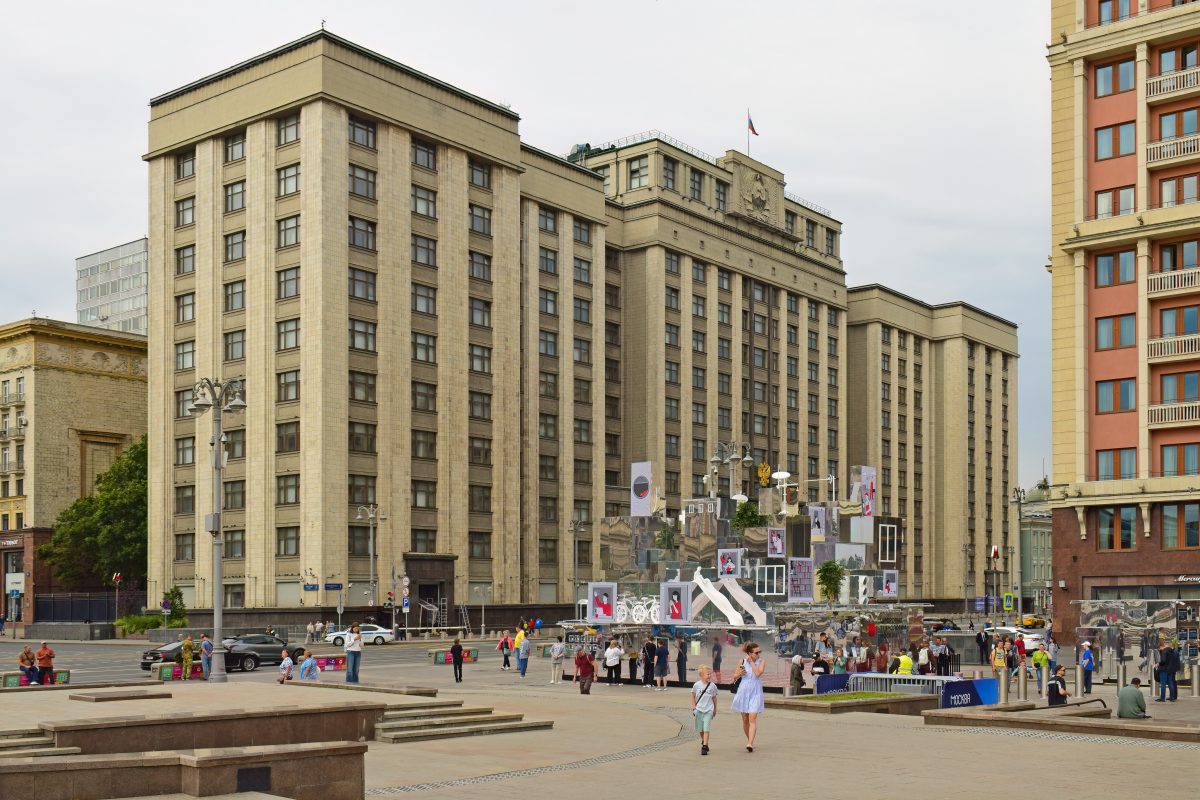
- Lead. Ukraine launched more than 350 drones at Moscow and Russian military targets on September 18, timing the barrage to coincide with the opening of Russia’s first State Duma elections since the 2022 invasion.
- Fact. Moscow’s mayor reported that 64 drones were shot down on approach to the capital; separate strikes hit the Yaroslavl oil refinery and a military airfield near Rostov.
- Stake. With only pro-war parties on the ballot and the opposition Yabloko barred from running, the three-day vote is widely expected to shore up United Russia’s control of all 450 Duma seats while Kyiv works to ensure ordinary Russians feel the war’s costs at home.
Russian polling stations opened on September 18 for the country’s first parliamentary election since Vladimir Putin ordered the full-scale invasion of Ukraine in February 2022, a three-day vote that closes on September 20. As voters began casting ballots, Al Jazeera reported that Ukrainian forces simultaneously launched one of their largest drone strikes of the war, sending more than 350 unmanned aerial vehicles toward the Russian capital.
The Strike
Moscow’s mayor Sergei Sobyanin said 64 drones were destroyed at an outer defensive perimeter before reaching the city, and authorities activated air defences across the metropolitan area. Beyond Moscow, the drone swarm struck the Yaroslavl oil refinery — a major fuel production hub — and a military airfield in the Rostov region. In a retaliatory move, Russian forces hit the Odesa region, targeting a Nova Poshta logistics hub and the Chornomorsk port.
Kyiv has openly stated that attacks on Russian infrastructure and civilian-facing systems are intended to raise the political and economic cost of the war for Russian society. Timing large-scale strikes to coincide with the election reflects that logic: the goal is to ensure that wartime disruption registers at the ballot box, even in a tightly controlled vote where no antiwar candidate is permitted to stand.
A Controlled Election
The 2026 Duma election is the first federal vote in Russia since the invasion and is being held under wartime conditions that have sharply restricted political competition. Yabloko — historically the only registered liberal opposition party — was barred from the ballot. Every party allowed to compete has publicly supported the war, making the contest essentially a managed exercise in ratifying the status quo rather than a genuine choice. External observers are paying attention not to the outcome, which is not in doubt, but to two proxies for public opinion: overall turnout and the gap between United Russia’s result and expectations.
The war has taken a mounting toll on the Russian economy, while a prolonged fuel crisis, driven partly by Ukrainian strikes on refineries, has strained supply chains. Long-range Ukrainian drone attacks have targeted oil facilities and logistics hubs across multiple regions in recent months. The election results, expected to be finalised on September 21, are unlikely to change the composition of power in Moscow, but they will offer an imperfect but closely watched measure of how deep war fatigue runs.
Diplomatic Context
The drone barrage came as international attention is also fixed on the diplomatic track. The UK government in recent months has expanded materiel sharing with Kyiv, while US envoys have made rounds between Moscow and the Ukrainian capital to test conditions for a ceasefire. None of those efforts have produced a durable halt in fighting. Russia has contested voting in eleven electoral districts inside occupied Ukrainian territory — a practice that Kyiv and Western governments have condemned as illegitimate and designed to extend a facade of legal jurisdiction over annexed land.