
- Deepest strikes yet. Ukraine hit two oil refineries in Bashkortostan and Yaroslavl on 6 August — more than 1,300 kilometres from the front line — extending its reach further into Russia’s industrial interior than previous confirmed attacks.
- Lethal exchange. On the same day, Russian strikes using 101 drones and missiles killed at least six people across eastern Ukraine, including three in the Kharkiv region and three in Sumy.
- Drone arithmetic. Russia claimed to have intercepted 605 Ukrainian aerial drones in a single day, underscoring the sustained scale of Kyiv’s long-range aerial campaign.
The two sides traded some of their heaviest blows in weeks on 6 August, as Ukraine struck deep into Russia’s industrial interior and Russian drones and missiles hit civilian areas across eastern Ukraine. Al Jazeera reported at least six people killed on the Ukrainian side, with Russia claiming the destruction of 605 Ukrainian aerial drones over its own territory during the same period.
Ukraine’s Longest-Range Strikes
Kyiv struck the Bashneft-Novoil refinery in Bashkortostan and the Slavnet-Yanos refinery in the Yaroslavl region — both deep in Russia’s Ural and Volga-Oka industrial heartlands, more than 1,300 kilometres from the front line. At that distance, the Bashkortostan target represents one of the farthest confirmed strikes against Russian industrial infrastructure since the war began. Ukrainian President Volodymyr Zelenskyy characterised the refinery strikes as strengthening Ukraine’s diplomatic position.
The attacks form part of a broader campaign against Russian logistics and energy infrastructure. Ukraine has struck at least 20 Wildberries commercial warehouses inside Russia since 18 July, and a crew member was killed when a Russian attack damaged the foreign-flagged ship Mera Queen in the Black Sea — adding a maritime casualty to a day of escalation across multiple theatres.
Russian Strikes on Eastern Ukraine
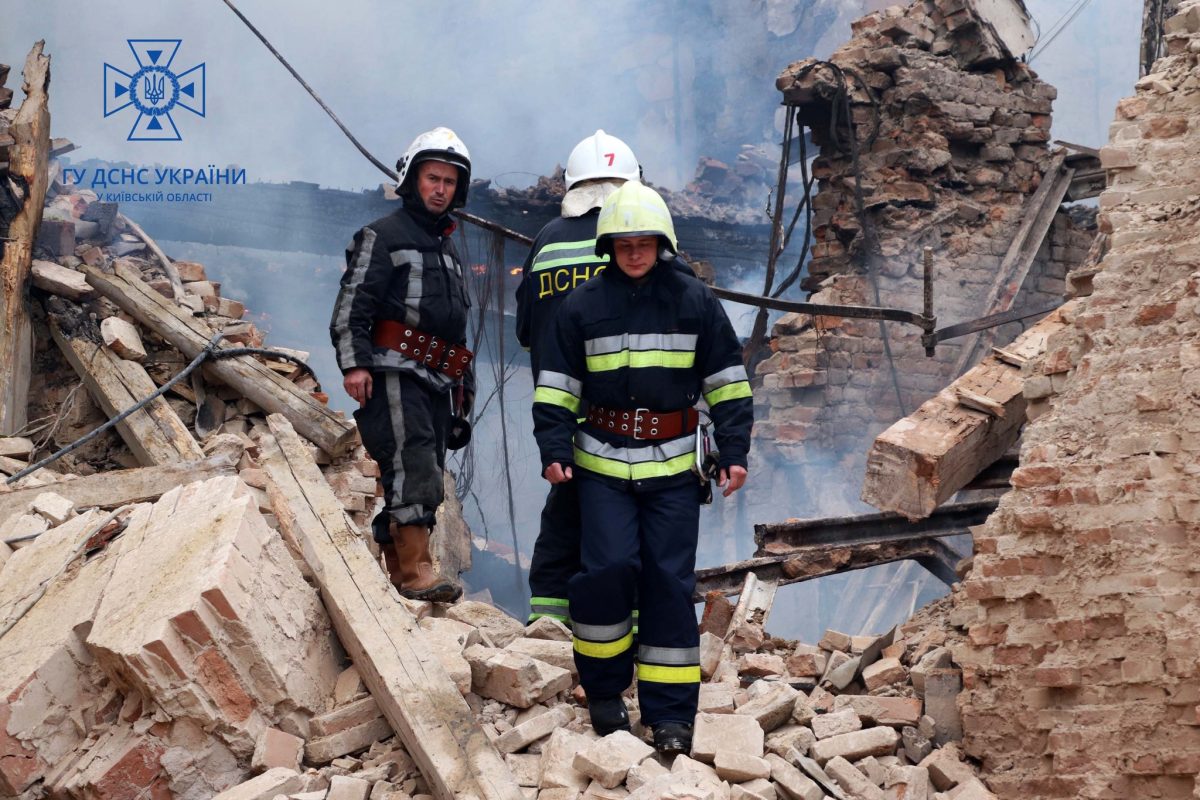
Russia sent 101 drones and missiles into Ukraine overnight on 5–6 August. In Balakliya, in the eastern Kharkiv region, three people — two women and one man — were killed when residential buildings were struck. Three more people died in the Sumy region, with at least 19 wounded. Additional injuries were reported in Dnipropetrovsk and Kherson regions.
Russia’s Ministry of Defence stated that its air defences had “intercepted and destroyed 605 Ukrainian aerial drones” over Russian territory and annexed Crimea — a figure that, if accurate, reflects the density of Ukraine’s sustained drone offensive even as a high proportion is neutralised before reaching its targets. UN Secretary-General António Guterres condemned the escalating strikes on populated areas as violations of international law that “must stop immediately.”
Air Defence Shortfalls and Russia’s New Drone Command
Zelenskyy disclosed on 6 August that allied nations had supplied Ukraine with only a third of the air defence missiles in 2026 that they provided in 2025, as Russia continues to escalate strikes on Kyiv and southern port cities. The public disclosure of that shortfall functions as an appeal for resupply from Western partners ahead of what Kyiv expects to be sustained Russian aerial pressure through the autumn.
On the Russian side, President Vladimir Putin named Denis Lyamin to head the country’s newly established Unmanned Systems Forces — a dedicated branch of the military responsible for drone warfare. The creation of a separate service arm for unmanned systems, rather than embedding drones within existing branches, signals that Russia views autonomous aerial warfare as a permanent, structurally distinct element of its military doctrine.
Ukraine’s long-range strike capacity has expanded incrementally since the war began, with previous deep operations including hits against the Engels strategic bomber base and Saratov oil facilities. Those raids established the precedent of targeting energy and military infrastructure hundreds of kilometres inside Russia; the 6 August strikes extended that pattern still further into Russia’s Ural industrial region.