
- Record broken. Yangsan, South Korea, registered 42.5°C (108.5°F) at 1:26 p.m. on August 2 — the highest temperature in the country in 122 years of meteorological records, confirmed by the Korea Meteorological Administration.
- Sustained heat. It was the fifth consecutive day Yangsan exceeded 40°C, and emergency heatwave alerts were activated across more than 20 localities nationwide.
- Long-run shift. Average annual heatwave days in South Korea have more than doubled over five years to 19, compared with an eight-day average in the 1970s.
On August 2, 2026, a temperature of 42.5°C (108.5°F) was recorded in Yangsan — a city of roughly 1.1 million in South Korea’s southeast — at 1:26 p.m. local time. The Korea Meteorological Administration confirmed the reading as the highest reliably recorded in the country since records began more than a century ago, surpassing a benchmark that had stood since the Japanese colonial era. Al Jazeera reported that authorities described the conditions as dangerous for anyone outdoors and urged citizens to seek air-conditioned spaces immediately.
Five Consecutive Days Above 40°C
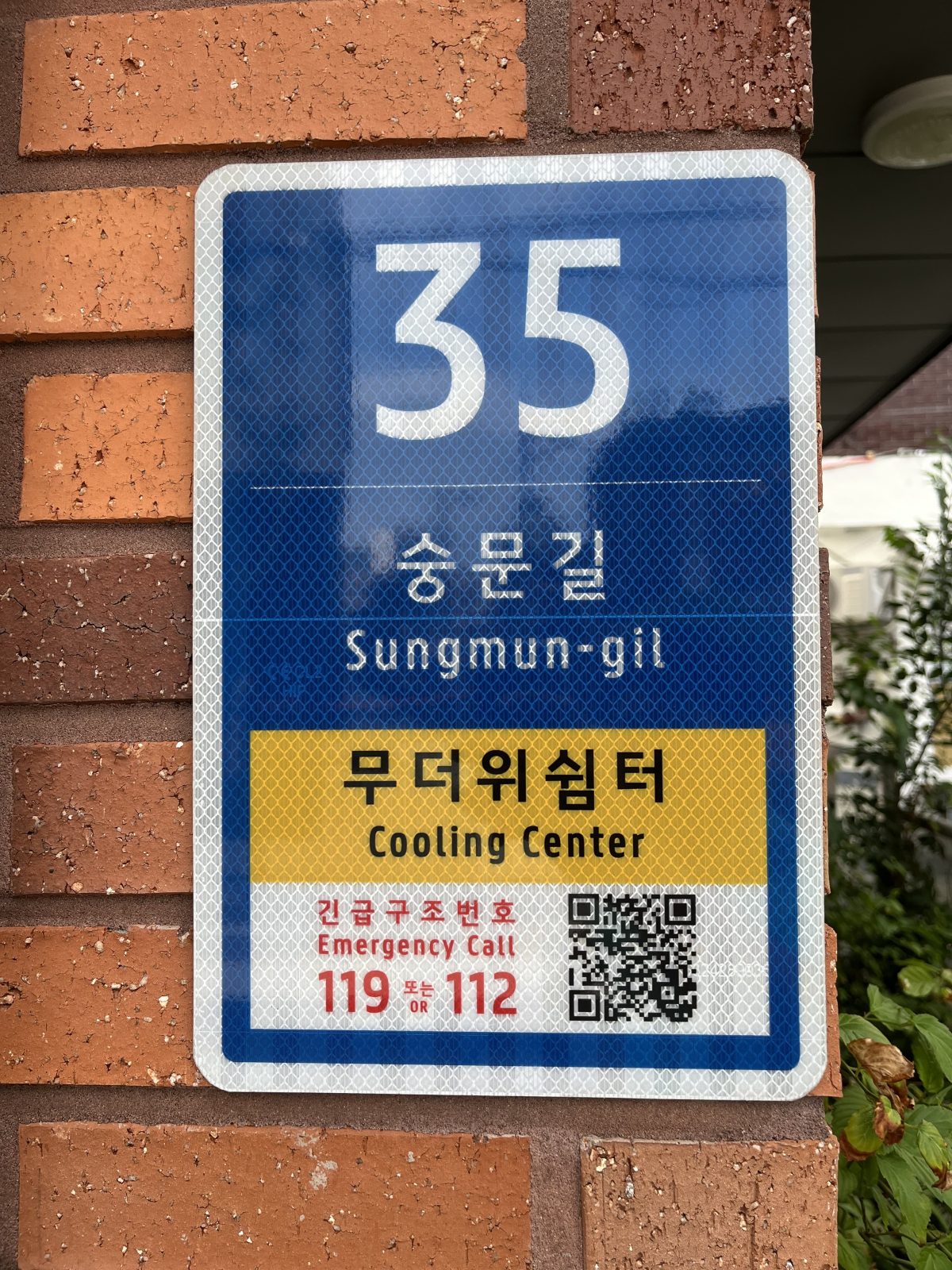
For Yangsan, the record arrived after four days of temperatures already exceeding 40°C — a streak without precedent in modern South Korean weather records. Nearby Daegu and Busan were also registering highs in the upper 30s. Emergency heatwave alerts — a new alert category introduced by the government this year, triggered when projected temperatures reach a perceived 38°C or an actual 39°C — covered more than 20 localities across the country. A professional baseball game in Changwon, where temperatures hit 39.5°C, was cancelled.
Japan simultaneously issued heatstroke alerts for 30 of its 47 prefectures. Heat events were also severe across Greece, Spain, France, Algeria, and parts of the western United States, pointing to a synchronised heat pattern across the northern hemisphere’s summer.
A Climate Signal, Not an Anomaly
The scale of the event fits a trajectory already visible in South Korean data. Heatwave days — defined as any day with a maximum temperature at or above 33°C — averaged eight per year in the 1970s. That figure has risen to 19 over the past five years, a more-than-doubling that climate scientists attribute to human-induced warming compounded this year by the return of El Niño, which raises Pacific Ocean surface temperatures and intensifies drought and heat across East Asia.
The Korea Meteorological Administration said the current heat dome — a high-pressure ridge trapping warm air over the peninsula — is not expected to break until at least mid-August. Electricity grid operators placed the national network on high alert as air-conditioner demand approached record levels.
Infrastructure and Health Under Pressure
The combination of elevated demand and searing temperatures placed unusual stress on both power infrastructure and public health systems. Hospitals in the Yangsan and Busan metropolitan areas reported rising admissions for heat-related illness. Citizens in Seoul described abandoning outdoor activities entirely, with malls and cafes serving as de facto cooling shelters.
The government’s decision to formally introduce a tiered emergency alert system for heatwaves this year reflects a policy recognition that historical comfort thresholds are no longer adequate for planning purposes. Authorities issued what they described as an unusually direct public warning: “immediately stop all outdoor activities” in affected localities — language more typically reserved for typhoon advisories.