
- Lead. Moderna and Merck’s personalised mRNA cancer vaccine, intismeran, met its primary endpoint in a Phase 3 clinical trial on August 19 — the first time an mRNA-based cancer vaccine has succeeded at late-stage clinical scale.
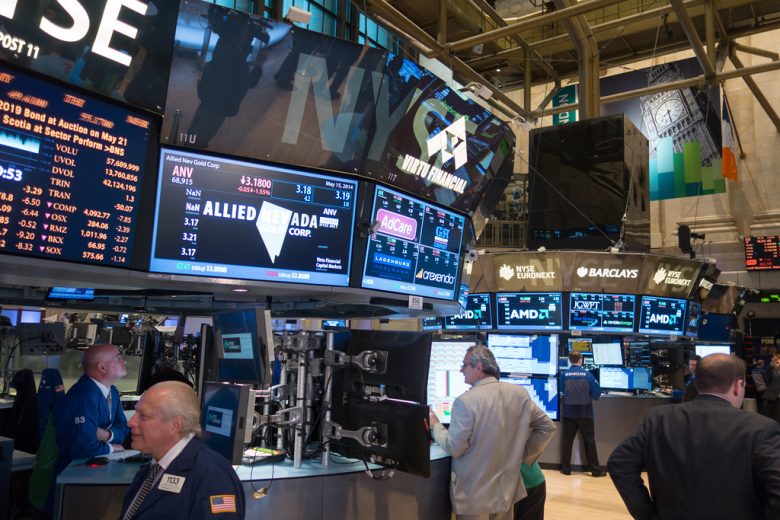
- Fact. Moderna shares rose approximately 177% on the day and Merck shares climbed more than 12%, with Moderna’s pre-announcement market capitalisation near $25 billion making the percentage move particularly dramatic.
- Stake. The two companies are running the same vaccine-Keytruda combination in trials across lung, bladder, kidney, pancreatic, and stomach cancers, meaning the melanoma result could serve as a proof-of-concept for a broader personalised oncology platform.
Moderna and Merck announced on August 19 that intismeran, a personalised mRNA vaccine synthesised to match each patient’s individual tumour mutations, met the primary goal of recurrence-free survival in a 1,137-patient Phase 3 trial when combined with Merck’s cancer drug Keytruda. The trial enrolled patients with completely resected stage IIB through IV melanoma — a high-risk population for whom treatment options have evolved rapidly but remain far from curative for many. Merck executive Jane Healy described the outcome as a “clinically meaningful improvement” and noted the combination was “well tolerated.”
What the Trial Showed
The Phase 3 randomised study evaluated intismeran plus Keytruda against Keytruda alone. It met both its primary endpoint of recurrence-free survival and a secondary endpoint of distant metastasis-free survival — tracking whether cancer spread to other organs, a particularly meaningful clinical marker. The manufacturing process is what makes the approach novel at scale: each dose of intismeran is synthesised against the specific neoantigens identified in a patient’s tumour biopsy, meaning every enrolled patient received a chemically distinct vaccine. Full trial data will be presented at an upcoming medical conference ahead of regulatory filings that the companies say are underway.
The Market Reaction
Moderna’s 177% single-day move was amplified by short positioning: a significant portion of its float had been sold short by investors betting the personalised vaccine programme would fail at Phase 3 scale, consistent with the company’s history of earlier-phase promise that had not translated to late-stage success since its Covid work. The forced covering drove the price sharply. For Merck, the 12% gain on a roughly $333 billion market cap represented a substantial absolute addition in a single session, reflecting the blockbuster potential of Keytruda combinations and the option value the market now attaches to the personalised vaccine pipeline.
What Comes Next
Regulatory filings in the United States and Europe are expected within months, with the specific cancer indication of adjuvant melanoma likely to receive priority review given the high unmet need in the stage IIB-IV population. Beyond melanoma, the commercial case for intismeran as a platform depends heavily on readouts from the ongoing trials in lung, bladder, kidney, pancreatic, and stomach cancers. A positive signal in even two of those indications would substantially alter the addressable market calculations that currently underpin the post-announcement valuation.