
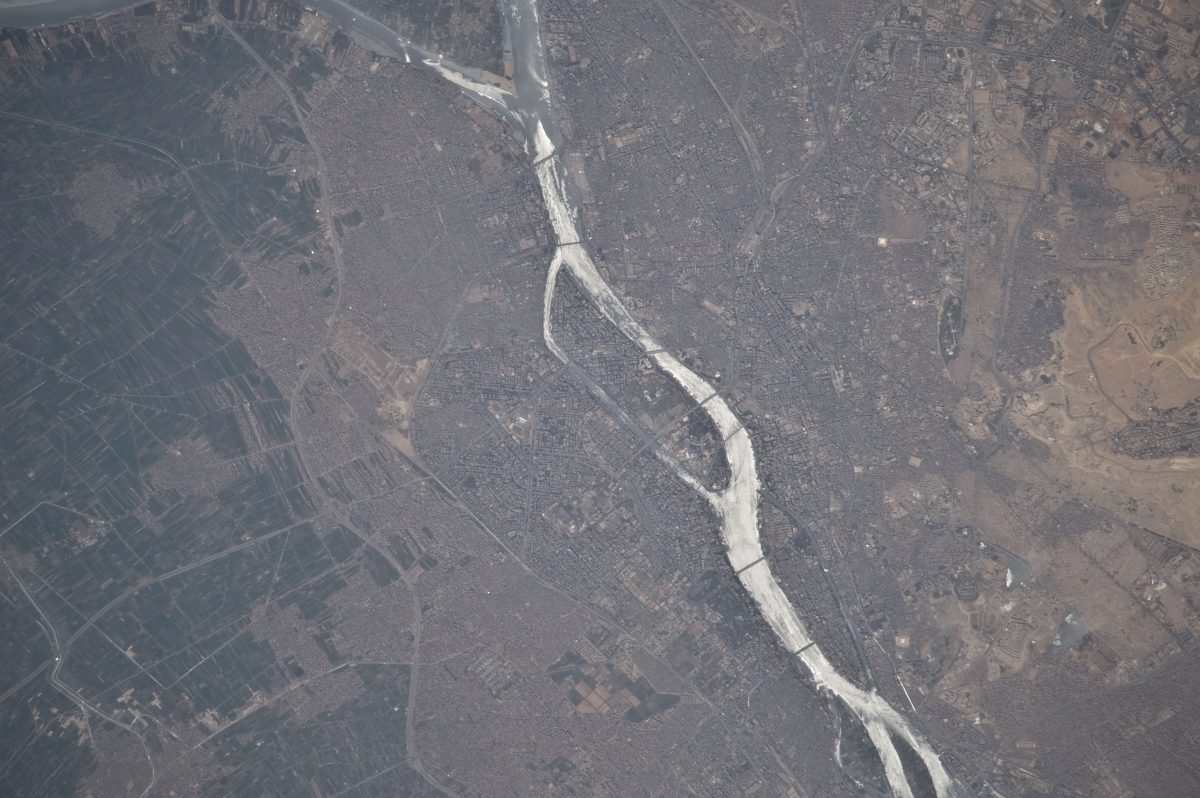
- Lead. Xi Jinping arrived in Cairo on September 1 for his first state visit to Egypt in a decade, launching a third phase of the Suez Canal Industrial Zone and signing cooperation agreements with President el-Sisi.
- Fact. China has invested roughly $10 billion in Egypt and annual bilateral trade stands at $20 billion; the Canal’s importance has grown sharply as Iran-linked disruptions in the Strait of Hormuz push shippers to alternative routes.
- Stake. Beijing is positioning itself as a regional security alternative at a moment when Washington is militarily committed to the Iran war, drawing Cairo closer without requiring a formal alliance that would alarm existing partners.
President Xi Jinping landed in Cairo on the evening of September 1, 2026, for his first visit to Egypt since 2016, holding wide-ranging talks with President Abdel Fattah el-Sisi that covered shipping security, regional governance and economic cooperation. The two leaders marked seventy years of diplomatic relations by publishing opinion pieces in Egyptian state newspapers. Xi wrote that the two governments should “expand the scope of pragmatic collaboration” in development projects, and Egypt reiterated its support for Beijing’s position on Taiwan as part of the joint communiqué.
Canal Economics, Sharpened by the Iran War
The visit’s most concrete deliverable was the formal launch of the third phase of the Suez Canal Industrial Zone, a corridor that already hosts approximately 200 companies and has absorbed around $4 billion in investment. The timing is deliberate: with the Strait of Hormuz disrupted by the US-Iran conflict, freight planners have been rerouting cargo northward through Suez, handing Cairo logistics leverage it is monetising carefully across multiple partnerships. Al Jazeera reported that Xi urged Middle Eastern nations to consider reshaping the region’s security order under the principle that “the people of the Middle East are the masters of their own affairs” — language that cast China as a counterweight to external military engagement without naming the United States directly.
A Broader Diplomatic Swing
Xi’s Egypt stop was the second leg of a trip that began at the Shanghai Cooperation Organisation summit in Bishkek, where Xi, Putin and Modi convened for the SCO’s 25th anniversary. The sequence — Kyrgyzstan then Egypt — underscored Beijing’s sustained push to consolidate relationships in the non-Western tier just before Xi’s expected September meeting with President Trump in what will be a closely watched US-China summit. In Cairo, Xi also called for “safeguarding the security of international shipping lanes” and stressed readiness to “advance development cooperation” and “eliminate the breeding grounds for conflict,” framing China’s role as constructive rather than confrontational.
Egypt’s Dual-Track Position
Cairo is not executing a clean pivot. Egypt still depends on the United States for military hardware and on International Monetary Fund arrangements for macroeconomic stability. But Chinese investment has deepened far enough that proximity to Beijing yields commercial dividends without requiring a formal break with Washington. A Carnegie Middle East analysis noted that “China continues to build up its soft power reserves while the United States self-sabotages its own stock” through its regional military commitments. Xi’s departure leaves Egypt with expanded canal-zone commitments, a framework declaration on Middle East security, and $10 billion in Chinese investment already embedded in its economy — a position that gives Cairo room to keep running both tracks simultaneously.