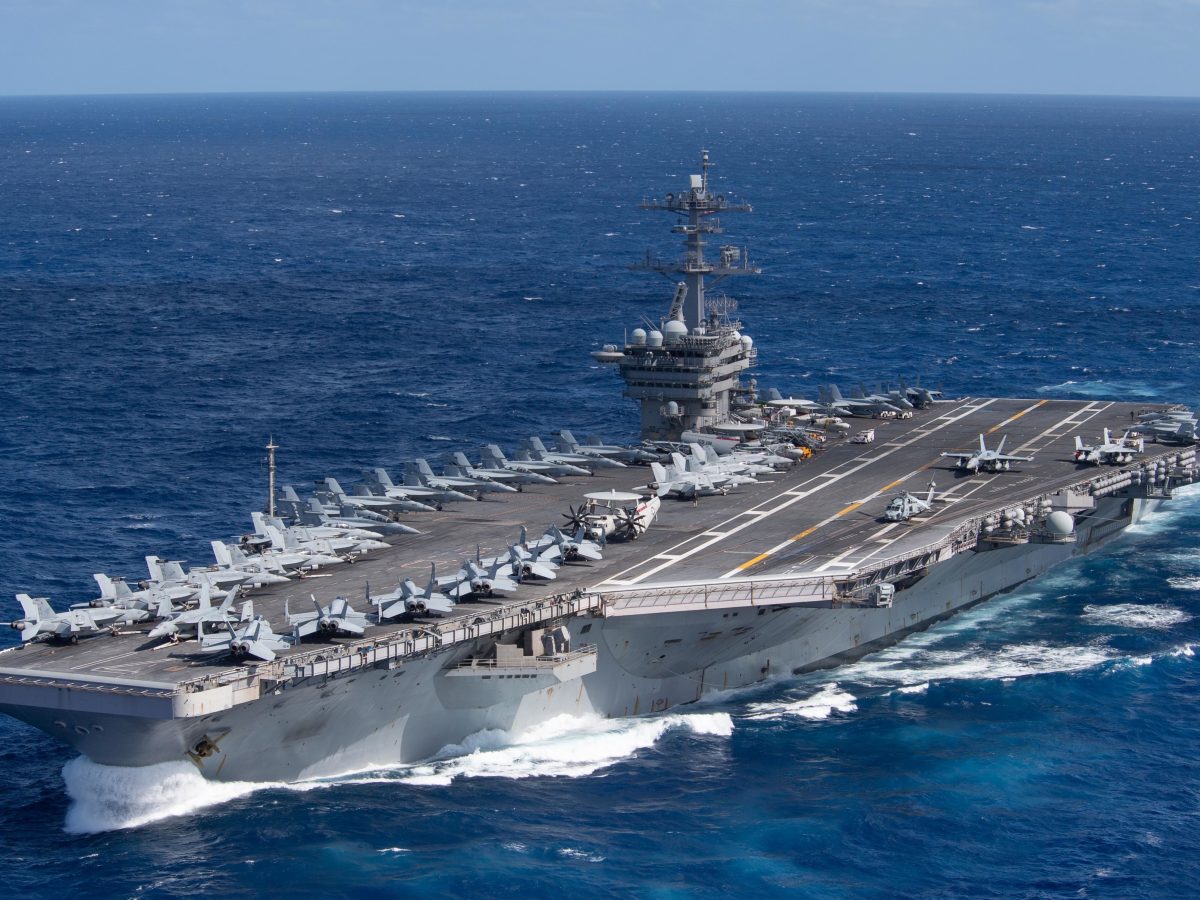

The USS Theodore Roosevelt departed San Diego on October 2, heading to join two carriers already deployed near Iran, as Washington assembles its largest Gulf naval concentration in more than a decade.
Tag: Middle East
Posted inGeopolitics
US Withdraws All 12 B-1 Bombers From RAF Fairford as Iran-Backed Threat Intelligence Emerges
American commanders rushed all 12 B-1 Lancer bombers out of a British air base over the weekend after intelligence warned of an Iran-backed threat against the facility, as senior officials held emergency Iran war talks at Camp David.

Posted inMarkets
WTI Crude Slips Below $90 as Middle East Export Routes Recover
WTI crude fell to $88.50 on September 30 as Middle East exports hit 98% of pre-war levels via pipeline rerouting, though Iran diplomacy uncertainty keeps oil on edge.
Posted inGeopolitics
Iran and US Resume Indirect Talks on Amended Ceasefire Proposal
US and Iranian officials held separate talks with mediators on September 29 as both sides weigh an amended version of Tehran’s seven-day Hormuz reopening plan.

Posted inWorld
US Ends 23-Year Iraq Military Presence as September 30 Deadline Arrives
The last US troops depart Iraq on September 30, 2026, ending a military presence that began with the 2003 invasion and cost more than 4,500 American lives.
Posted inWorld
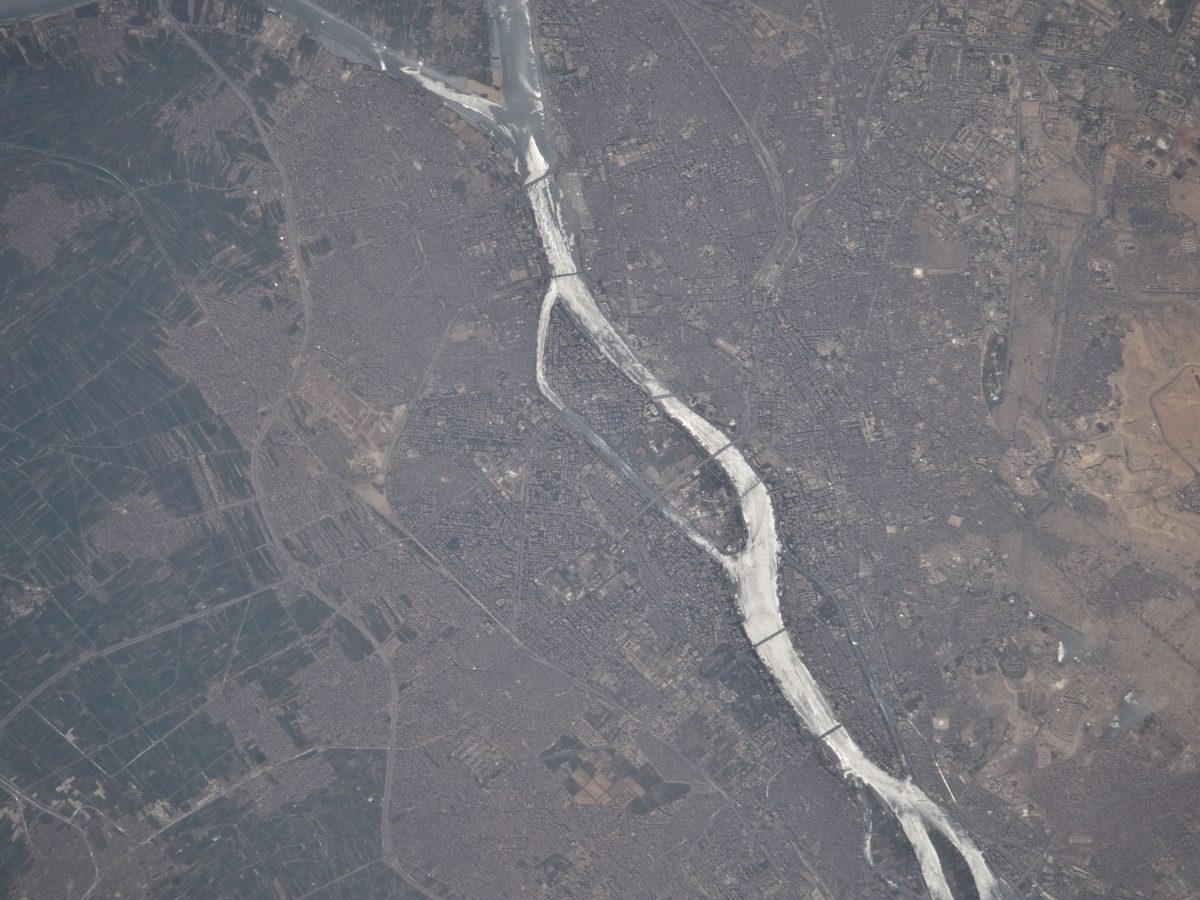
Beijing Seeks New Mideast Security Architecture During Xi’s First Cairo Visit in a Decade
Xi Jinping visited Egypt for the first time since 2016, signing economic agreements and urging Middle Eastern nations to oppose external interference and reshape the region’s security order.
Posted inGeopolitics
US Forces on Track to Exit Iraq by September 30, Ending 23-Year Mission
US officials confirmed forces will complete their Iraq withdrawal by September 30, ending a 23-year military presence and handing off to economic partnerships.
Posted inWorld
Turkey’s Parliament Votes 468-88 for Conditional PKK Pardon
Turkey’s parliament passed a conditional pardon for PKK militants 468-88, contingent on full disarmament verified by Ankara’s National Security Council.
Posted inWorld
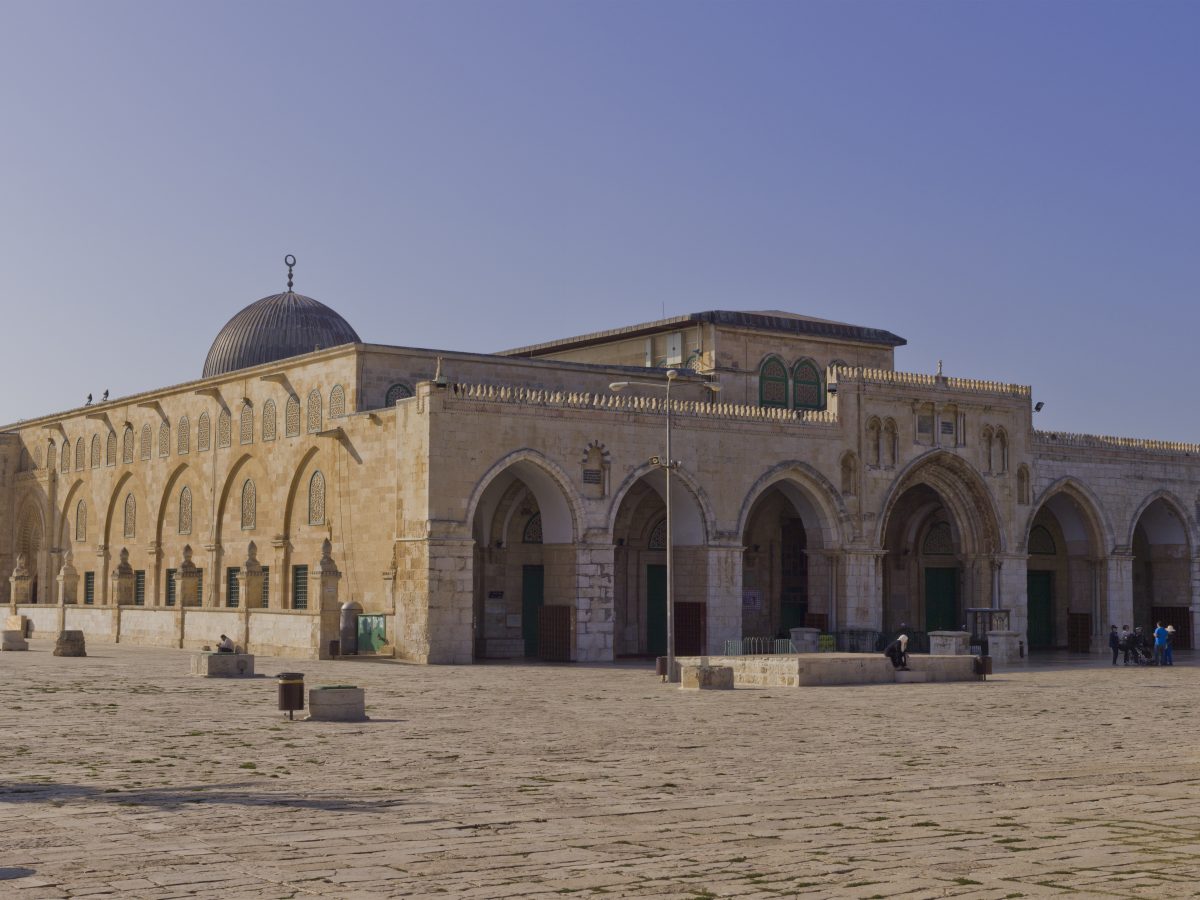
Arab and Islamic Ministers Convene in Amman Over Israeli Moves at Al-Aqsa
Arab and Islamic foreign ministers met in Amman on August 5 to coordinate a response to Israeli actions at the Al-Aqsa Mosque compound, demanding UN Security Council intervention.
Posted inGeopolitics
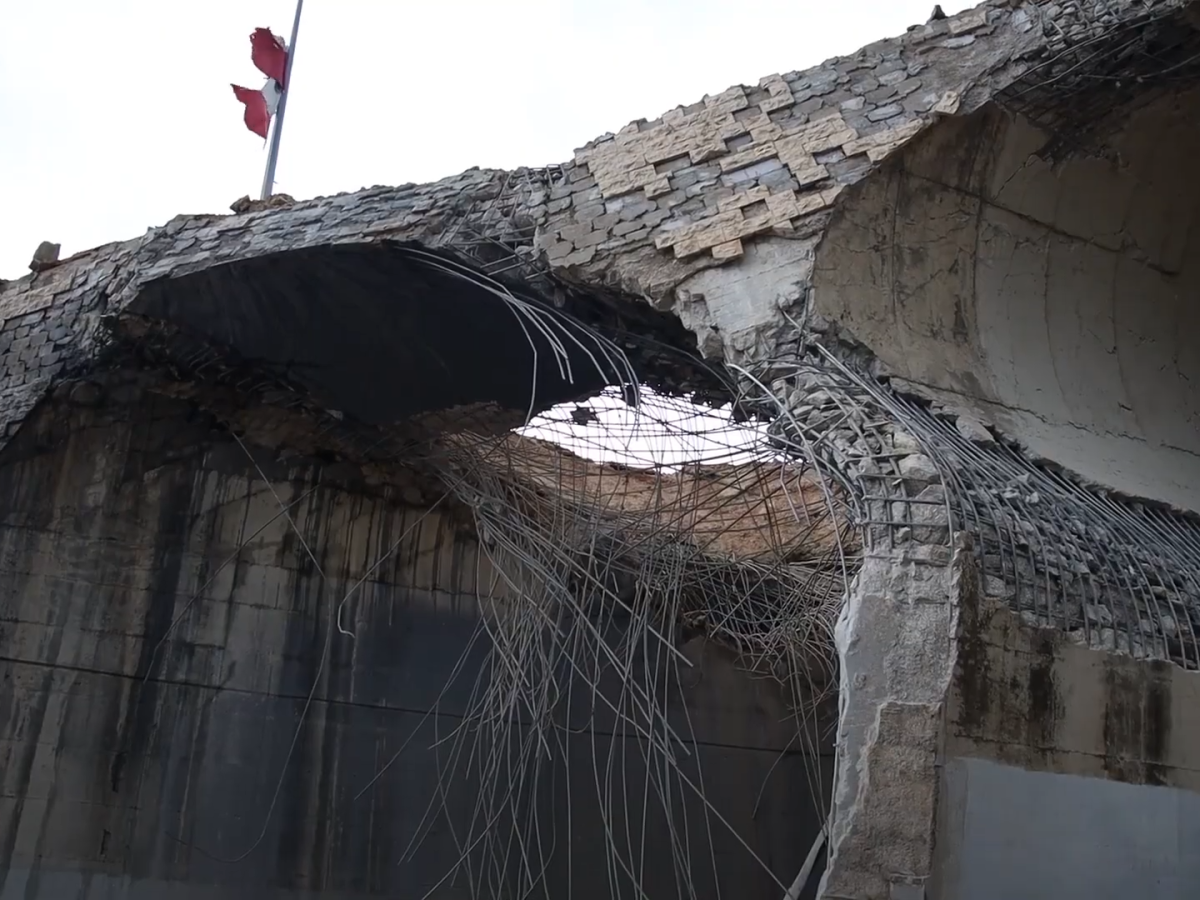
Israel and Lebanon Move Peace Talks to Rome as IDF Completes First Withdrawal
Israeli and Lebanese technical teams will meet in Rome from August 4 to 6 to expand a southern Lebanon pilot zone after the IDF completed its first troop withdrawal last week.