
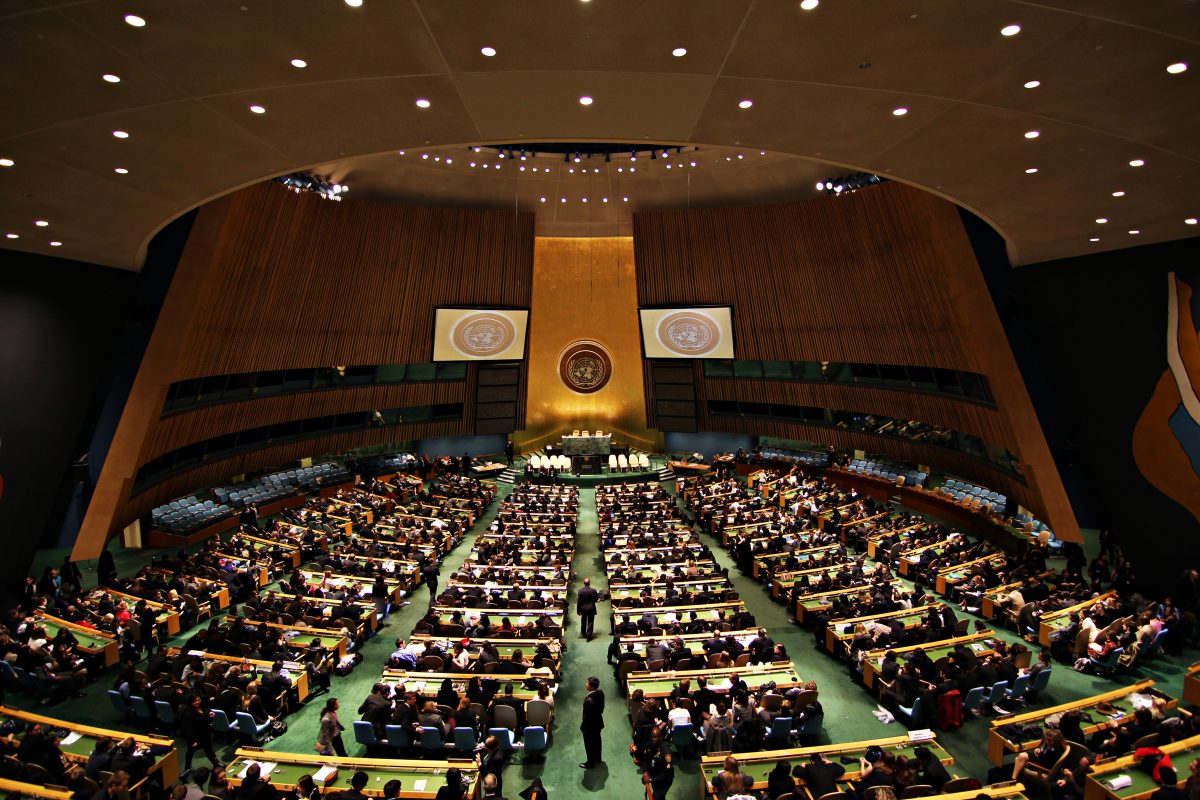
- Still talking. US and Iranian officials held separate talks with mediators on September 29 in a renewed effort to end seven months of war, despite Trump rejecting Tehran’s latest proposal just two days earlier.
- Iran’s ask. Tehran’s plan calls for an immediate ceasefire, unfreezing billions in Iranian assets, ending oil sanctions, lifting the US naval blockade, and reopening the Strait of Hormuz—with nuclear talks beginning within seven days.
- The pattern. Two previous ceasefire agreements, in April and June 2026, both collapsed. Iranian officials have privately expressed pessimism about a deal before US midterm elections in November.
US and Iranian officials met separately with mediators on Monday, September 29, in the latest attempt to end a conflict that has now lasted more than seven months. The talks followed Iranian Foreign Minister Abbas Araqchi’s presentation of a seven-day ceasefire plan at last week’s United Nations General Assembly—a proposal Trump called “unacceptable” on Saturday, though he told Axios on Sunday that US negotiators would “engage in further talks this week.”
Iran’s Proposal and Washington’s Response
Tehran’s plan, as presented by Araqchi, would require the United States to halt all hostilities, unfreeze frozen Iranian funds, end oil sanctions, lift the naval blockade of Iranian ports, and reopen the Strait of Hormuz, through which roughly 20% of global oil supply passes. Nuclear talks would begin within seven days of those steps being taken. The sequencing is designed to deliver measurable US action first, which Iran frames as the minimum condition for any Hormuz agreement.
Trump rejected the original plan, arguing that Iran sought a fast deal because of severe economic pressure. But his administration did not walk away entirely. Further negotiations are expected to focus on an amended version of Iran’s proposal, with modifications to the timeline and sequencing of sanctions relief, according to the Kathmandu Post.
A Pattern of Collapsed Agreements
The diplomatic backdrop is not encouraging. Two previous ceasefire agreements reached in April and June 2026 both broke down within days of taking effect. Iranian officials have told European interlocutors privately that they doubt a deal is achievable before November’s US midterm elections, viewing the political calendar as a structural constraint on what Washington can offer. Araqchi stated publicly: “If the Americans claim they are seeking an agreement or a peaceful solution, we have presented that solution.” The rhetorical position signals Tehran is prepared to place the burden of failure on Washington if talks collapse again.
Energy and Strategic Stakes
The Strait of Hormuz remains the central lever in negotiations. Iran has tied any reopening of the waterway to its conditions being met, meaning sustained diplomatic failure keeps oil flows through the strait constrained. When Trump’s earlier rejection of Iran’s Hormuz offer pushed Brent crude above $107, markets registered the geopolitical risk immediately. WTI crude fell toward $88.50 on September 30 as pipeline rerouting around the strait partially offset the disruption—but the price recovery is fragile, and any confirmed breakdown in the current round of indirect talks could reverse it quickly.