
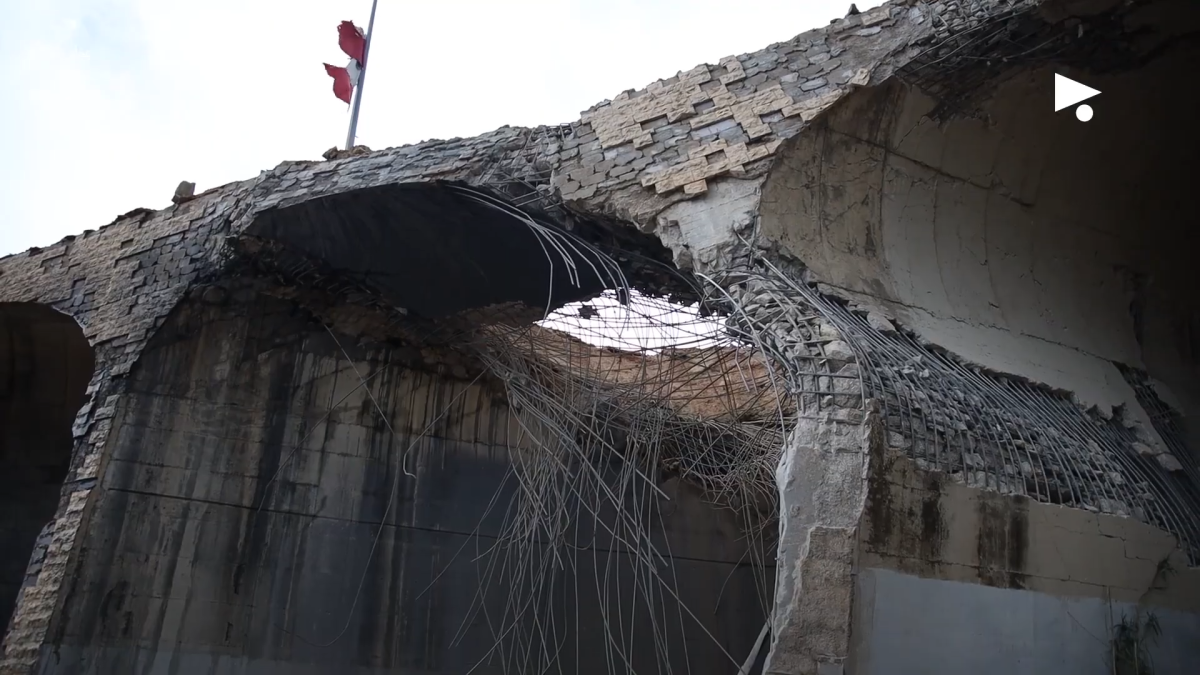
- Lead. The next round of US-brokered Israel-Lebanon peace talks will take place in Rome from August 4 to 6, with technical teams tasked with widening the pilot zone through which Israeli forces are gradually handing southern Lebanon back to state authority.
- Fact. The Israeli Defence Forces completed their first withdrawal from a southern Lebanon pilot zone last week, a concrete sign that the trilateral framework agreement signed last month is producing initial results on the ground.
- Stake. Israel faces a Knesset election in October, creating political pressure to show diplomatic progress; Lebanon’s government is simultaneously pushing back against what it characterises as Israeli interference in Lebanese Armed Forces operations in the south.
Israeli and Lebanese officials confirmed on July 27 that their delegations will convene in Rome from August 4 to 6 for the next phase of US-facilitated negotiations. The agenda centres on expanding the pilot zone in southern Lebanon where state authority is being incrementally restored, resolving outstanding border disputes, and advancing implementation of the framework agreement reached last month between the two governments.
A State Department spokesperson described the discussions as technical in nature, focused on the mechanics of authority transfer rather than high-level political negotiations. “The Trilateral Framework is the only path to lasting peace,” the spokesperson said, according to reporting from Siasat Daily. The format involves teams from Israel, Lebanon and the United States working through specific implementation steps rather than open-ended diplomatic exchanges.
The Pilot Zone Mechanism
The pilot zone model is central to the framework’s design. A defined strip of southern Lebanese territory is designated as a test case in which the Lebanese state — specifically the Lebanese Armed Forces — assumes administrative and security control with verifiable disarmament of non-state armed organisations operating in the area. The IDF’s withdrawal from the first such zone last week marked the first time Israeli ground forces have pulled back from Lebanese soil under the current arrangement.
The withdrawal followed President Joseph Aoun’s meeting with President Trump, which both sides described as productive. Lebanon has publicly acknowledged the meeting’s role in advancing the process while also voicing concerns about what Beirut describes as Israeli attempts to constrain Lebanese Armed Forces operations in the south — a tension that the Rome talks are expected to address directly. For context, Prime Minister Netanyahu had earlier tied any Israeli pullout to verifiable Hezbollah disarmament, a condition that the current pilot-zone structure attempts to operationalise without resolving the broader political dispute over Hezbollah’s status.
Political Pressures on Both Sides
Israel’s domestic calendar complicates the diplomatic timetable. A Knesset election scheduled for October means the current government has a limited window in which to consolidate any progress before entering campaign mode, creating incentive to demonstrate tangible results from the negotiations before the summer ends. Lebanon’s government, for its part, is navigating its own pressures: maintaining sovereignty claims over the south while managing the practical realities of a framework it did not design but ultimately joined.
Both delegations are expected to arrive in Rome with detailed technical positions on the boundaries of a second pilot zone and on the timeline for the broader Israeli troop withdrawal from Lebanese territory. The United States is providing logistical facilitation and security guarantees to both parties for the implementation process.