
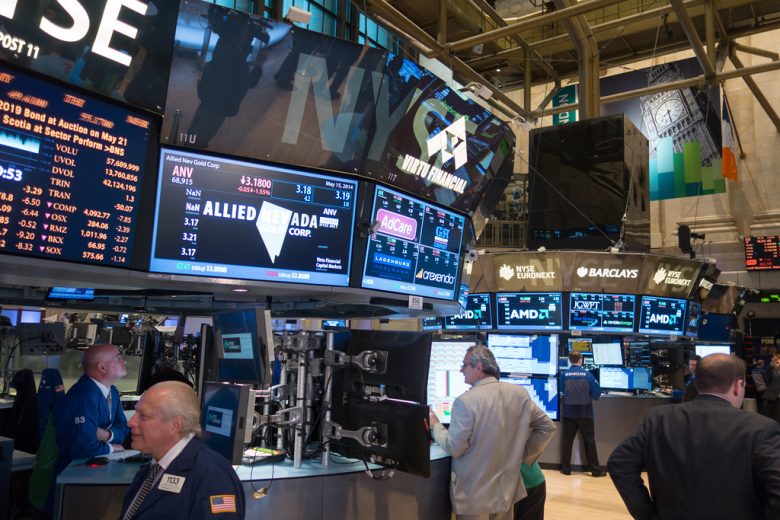
- Lead. Brent crude reached $100.71 a barrel on September 9, its highest in nearly seven weeks and a psychologically significant threshold, as the simultaneous US destruction of five Iranian tankers and Iran’s ballistic missile strikes on Jordan’s Al-Azraq base pushed supply-risk premiums sharply higher.
- Fact. The 2.85% single-day gain moved Brent from below $98 to above $100; the benchmark had traded below $90 earlier in the summer before the escalating tanker exchange drove prices through $95 last week.
- Stake. Iran separately warned vessels near Kuwaiti and Bahraini ports to immediately abandon their ships, raising the prospect of further disruption in the northern Gulf shipping lanes used by refiners that have already shifted purchasing toward African, Canadian and Latin American crude to reduce Hormuz exposure.
The crossing of the $100 threshold had been anticipated in futures markets after Iran’s declaration of a fully offensive military stance and the progressive widening of strikes to cover more vessels and locations. The concrete catalyst on September 9 was the combination of US strikes near Kharg Island — Iran’s primary oil export terminal, which handles the bulk of the country’s crude shipments — and Iran’s direct attack on military infrastructure in Jordan. Fortune noted the level marks a seven-week high for the benchmark.
The Kharg Dimension
The targeting of a tanker near Kharg Island introduced a variable that had not previously featured in the exchange of strikes. If US operations in the vicinity were to continue or intensify, they would put increasing pressure on Iran’s ability to export crude at scale — and on the global oil balance, since Iranian barrels removed from the market cannot be replaced quickly. Chinese refiners in particular have been among the most active buyers of Iranian crude under sanctions-era discounts, and disruption at Kharg would force additional substitution purchases in an already-tight spot market.
The United Kingdom Maritime Trade Operations Centre reported a separate incident: a tanker struck by an unknown projectile south-east of Al-Faw, Iraq, with the crew safe and no environmental damage. The location, outside the main conflict zone, suggested that the geographic reach of attacks on commercial shipping continues to expand beyond the Strait of Hormuz.
Market Mechanics
The move in Brent was accompanied by a shift in the forward curve. The prompt spread — the price difference between the nearest and second-month futures contracts — widened, reflecting tighter near-term supply relative to the medium-term outlook as traders priced in potential disruption before a resolution. Options market activity showed a notable increase in call positions at the $105 and $110 strike prices, consistent with positioning for further upside if the conflict continues to escalate.
For equity markets navigating what has historically been a difficult September, the $100 oil level adds another headwind alongside rising rates and softening growth data. Energy sector stocks outperformed, but broader indices showed continued pressure. The move through $95 last week had already drawn attention from central bankers weighing the inflation implications; the $100 crossing is likely to intensify that scrutiny, particularly ahead of the ECB’s decision later today and the Bank of England’s September 17 meeting.