
- Lead. The White House and Pentagon have developed plans to deploy the Massive Ordnance Air Blast — the United States’ largest non-nuclear bomb — against Iranian military sites if President Trump orders it, sources told CNN and CBS News.
- Fact. Trump has said no new strikes on Iran will come before the November 3 midterm elections, citing “productive conversations” with Tehran, but he has not ruled out conventional air strikes after that date.
- Stake. The emergence of MOAB planning, confirmed by multiple officials, signals the administration is reviewing substantially more destructive options even as the Iran war remains in a holding pattern ahead of the vote.
The United States military has prepared operational plans that include potentially using the GBU-43/B Massive Ordnance Air Blast — commonly referred to as the MOAB or “mother of all bombs” — against Iranian military sites, according to sources cited by CNN and confirmed by CBS News. A Yahoo News report citing the CBS account put the planning as focused on energy infrastructure and nuclear sites, including Pickaxe Mountain, a deeply buried facility that analysts believe may be tied to Iran’s nuclear program.
The weapon and its limits
The MOAB weighs more than 30,000 pounds and costs approximately $170,000 per unit. Trump first ordered its use in 2017 against an Islamic State cave complex in Afghanistan. For underground hardened targets, analysts have been more skeptical: sources quoted in the CBS reporting noted that Pickaxe Mountain is deeply buried, raising doubts about the weapon’s effectiveness against that specific site. A Pentagon official said the “Department of War plans for a wide range of operational scenarios,” while the White House said Trump “keeps all options on the table” but declined to confirm or deny the plans.
Trump’s stated timeline and the war’s current state
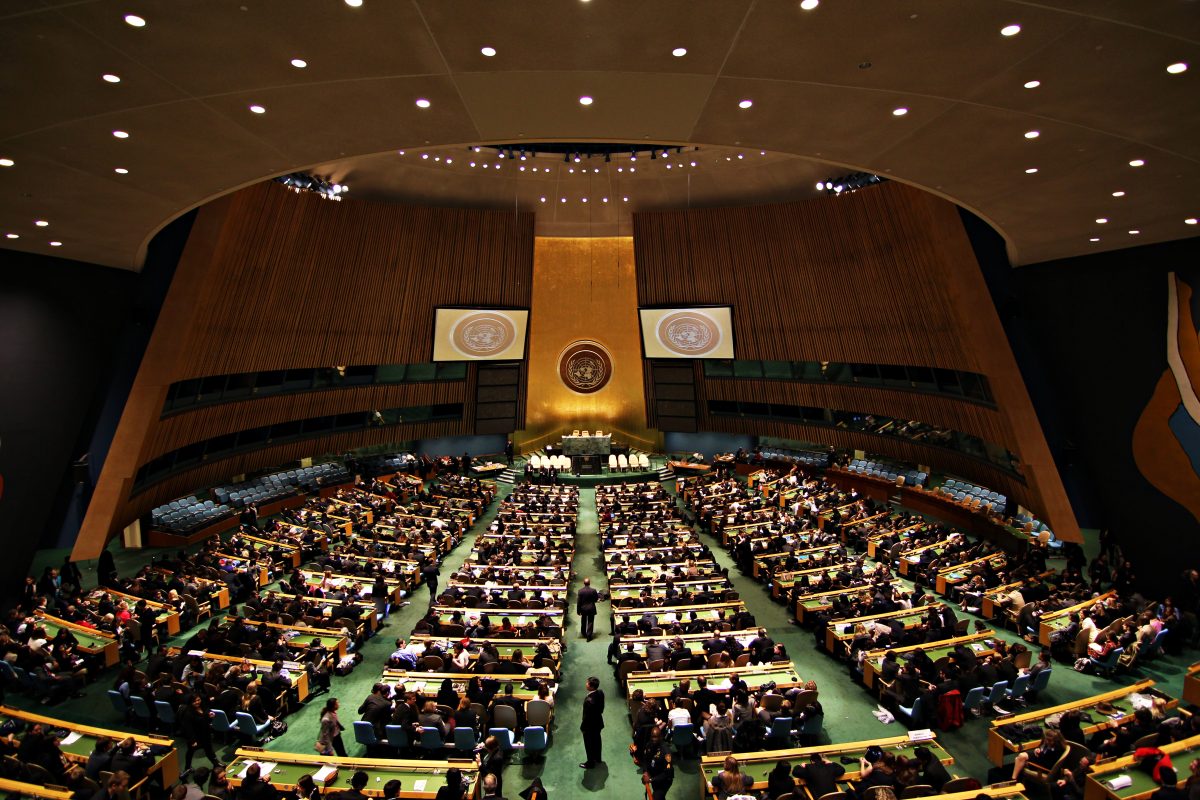
Trump told reporters this month that he would refrain from ordering new strikes until after the midterms, describing recent conversations with Iranian officials as “productive.” At the United Nations General Assembly last month, he described facing a “big decision” between annihilating Iran and making a deal. He has publicly ruled out the use of nuclear weapons and the deployment of US ground troops, but has left the door open for conventional air strikes. The war, which has centered on strikes against Iran’s conventional military assets near the Strait of Hormuz, has drawn a third US aircraft carrier to the region and kept oil prices above $100 a barrel for weeks. The US is enforcing a blockade of Iranian ports; Iran continues to threaten and strike ships in the strait.
What happens after November 3
The midterm elections on November 3 set a hard deadline on the administration’s self-imposed pause. Several analysts told the news agencies that Trump’s posture suggests he wants both an option for escalation and political flexibility to claim he sought a deal first. Whether any agreement is reachable before the midterms — or whether Trump chooses to resume strikes in the weeks that follow — will determine whether the MOAB plans move from contingency to order.