
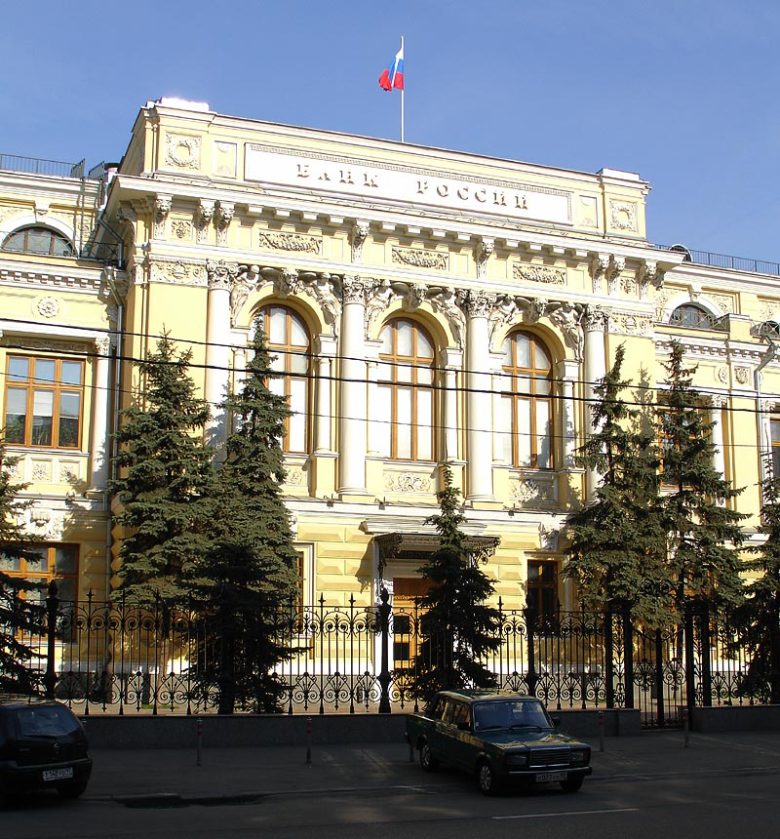
- Lead. Russia’s central bank kept its benchmark rate at 14% on October 23 and raised its 2026 year-end inflation forecast to 7.1–7.6%, up from the 6–7% range it projected as recently as September.
- Fact. Annual inflation stood at 6.8% as of October 19, but seasonally adjusted price growth has re-accelerated to 8.0% annualized — nearly double the 4.8% pace recorded in the second quarter.
- Stake. The Bank of Russia still targets 4% inflation by 2027; the widening gap between that goal and current pressures raises the prospect of a rate reversal before year-end, ending the cutting cycle that ran from mid-2025 to mid-2026.
The Bank of Russia’s board voted on October 23 to hold its key rate at 14.00% per annum for the second consecutive meeting, after cutting ten times between June 2025 and July 2026. The decision came with a materially worse inflation outlook: the regulator now expects consumer prices to rise 7.1–7.6% by end-2026, compared with the 6–7% projection published in September, according to TASS. The next rate decision is scheduled for December 18.
What Is Driving Prices Up
The central bank cited three main pressure points. Ukrainian drone attacks on oil refineries have disrupted domestic fuel supply, keeping motor fuel prices volatile. Elevated government expenditure, linked to defense procurement and social transfers, has sustained consumer demand above the pace the bank considers consistent with its inflation target. Utility fee increases added further structural pressure. The bank said in its statement that “current price pressures remain elevated” and that “high inflation expectations impede a slowdown in inflation.”
Core inflation, which strips out energy and food volatility, rose to 6.2% in the third quarter from 4.5% in the second — a signal that re-acceleration is not confined to fuel-linked items. Underlying price growth across the broader basket was running at 5–6% annualized, which the bank attributed in part to “temporary capacity reductions in some sectors,” language that partly covers sanctions-related supply disruptions.
The Rate Path Question
Between June 2025 and July 2026, the Bank of Russia cut rates from a wartime peak of 21% down to 14% as inflation appeared to be decelerating. The September hold was the first sign that the cutting cycle had paused; October’s upward revision to the forecast confirms that pause is not ending soon. The bank’s statement stopped short of signaling a hike, but also dropped any language about further cuts being under consideration.
The broader oil shock adds a layer of complexity: a Houthi drone strike on Saudi Aramco’s Shaybah field sent Brent above $111 this week, feeding through to import prices via weaker trading-partner currencies while also swelling Russian budget revenues. The bank acknowledged that the inflation path remained “highly uncertain” and said it would “assess the need for further adjustment at subsequent meetings” — language that leaves all options technically open as December approaches.