
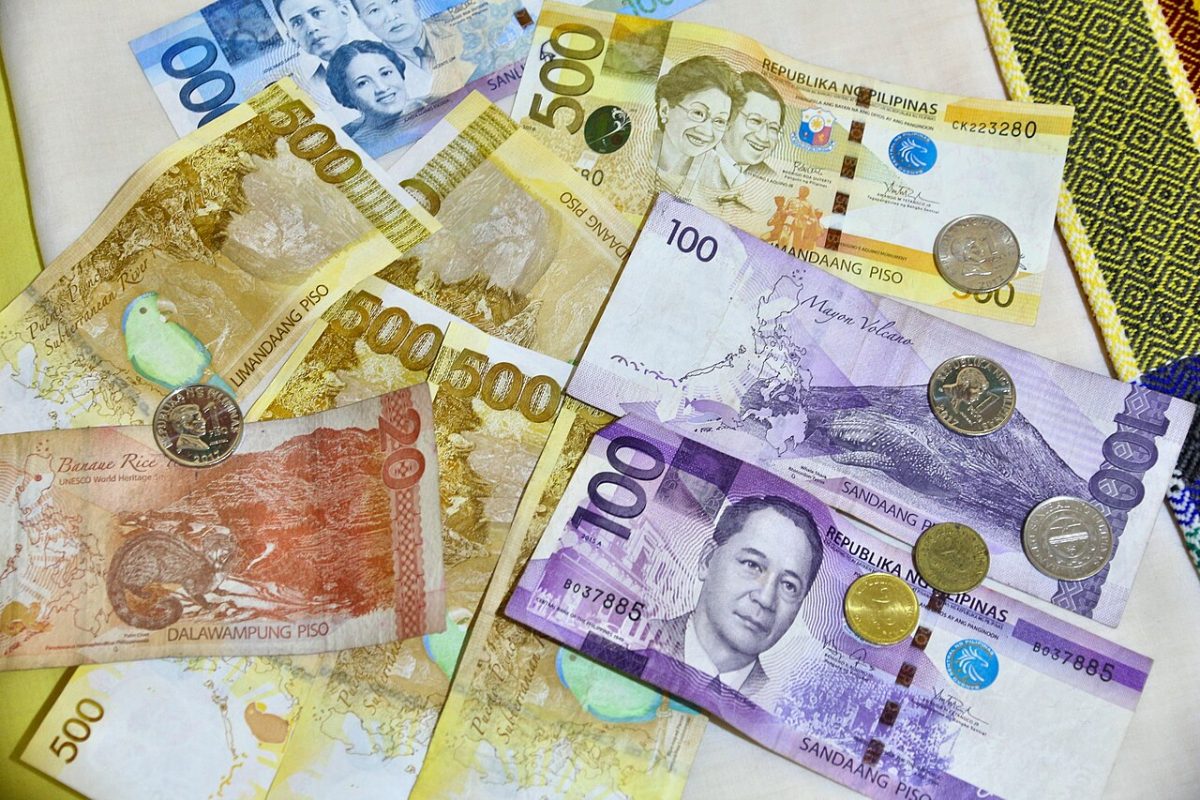
- Lead. The Bangko Sentral ng Pilipinas delivered a 50-basis-point rate hike on October 22 — its fourth straight increase this year and its largest single move since February 2023 — lifting the benchmark reverse repurchase rate to 5.50%.
- Fact. September headline inflation reached 7.2%, a three-year high, while core inflation rose to 4.7%, also its highest in three years. The peso closed at a record low of ₱63.52 to the dollar after the decision.
- Stake. Governor Eli Remolona Jr. said forecasts “were worse than we thought” and left the door open to further tightening in December, as the BSP projects inflation remaining elevated well into 2027.
Analysts had widely expected a 25-basis-point move. The double-sized hike — which one outlet described as a “jumbo” surprise — comes as the Philippines absorbs the compound effect of oil market disruptions tied to the Gulf conflict, a third consecutive record-low peso, and the prospect of an unusually severe El Niño season weighing on food prices. The central bank has now raised rates by a cumulative 125 basis points since the Middle East conflict escalated in March.
A Triple Squeeze on Prices
Remolona pointed to three overlapping pressures driving his board’s urgency: rising oil prices feeding directly into transport fares, the peso’s depreciation amplifying import costs, and the threat of El Niño disrupting domestic food supply. “I think it’s restrictive, but we don’t know for sure whether it’s restrictive enough,” he said, a rare admission of uncertainty from a central banker, reflecting how difficult it has become to calibrate policy when the main shocks are supply-driven and external.
The IMF urged Asian central banks to maintain hawkish stances in its Bangkok Annual Meetings guidance, and the Philippine decision illustrates why: headline inflation averaging 5.5% over the first nine months of 2026 is well above the BSP’s 2–4% target band, and the central bank now expects 2027 inflation to average around 6%, not returning to target until 2028.
The Peso and the Rate-Defense Question
The peso’s fall to ₱63.52 — its third consecutive record low — has been another source of inflationary fuel. Remolona explicitly declined to frame the rate hike as a currency defense operation, saying the BSP intervenes in foreign exchange only to dampen excessive volatility rather than to target any particular level. That framing matters: hiking primarily to defend the exchange rate carries its own risks in a slowing economy, and the BSP is trying to preserve the credibility of a pure price-stability mandate.
The overnight deposit and lending facilities were adjusted to 5.00% and 6.00% respectively. Remolona said the December meeting remains live for further action, though he declined to specify a likely size. The BSP’s next formal decision point will come as the Fed’s own October 28 rate decision lands — a meeting at which markets are pricing an 86% chance of a US hold at 4%, according to earlier reporting.