
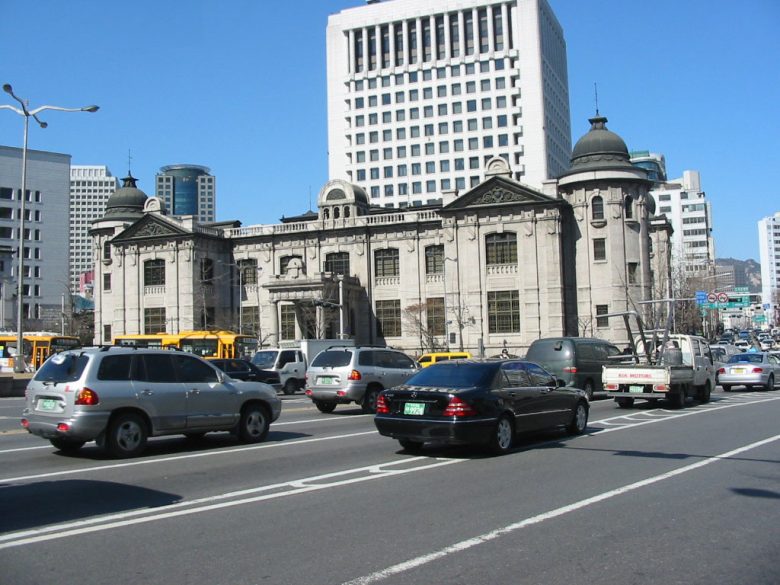
- Lead. The Bank of Korea lifted its benchmark rate by 25 basis points to 2.75% on July 16 — its first hike since January 2023 — as a semiconductor-driven export boom pushed inflation to its fastest pace since late 2023.
- Fact. South Korean exports exceeded $100 billion in June for the first time on record, driven by triple-digit growth in IT and semiconductor products; Q1 GDP expanded 3.8% year-on-year and Gross Domestic Income surged 13.2%, reflecting the terms-of-trade windfall from elevated chip prices.
- Stake. BOK Governor Shin Hyun-song has signalled further tightening is possible at the August 27 meeting, as the won’s sustained slide past 1,500 per dollar adds imported inflation to an economy that is simultaneously running too hot and too exposed to the global trade cycle.
The Monetary Policy Board voted unanimously to raise the base rate from 2.50% to 2.75% at its July 16 meeting, ending a pause of 13 to 14 consecutive months during which the board held rates steady while monitoring global conditions. The decision was the first outright hike since January 2023.
A Boom That Overheated
South Korea’s economy has been propelled over the past year by an AI-led semiconductor super-cycle. The country’s exports crossed the $100 billion mark in a single month for the first time ever in June 2026, with IT hardware and memory chips accounting for the bulk of the gains. Q1 GDP growth came in at 3.8% year-on-year; the Gross Domestic Income measure, which captures purchasing power rather than just output, surged 13.2% as chip prices inflated the value of Korean exports relative to imports.
That strength has spilled into domestic prices. Consumer prices rose 3.2% year-on-year in June — the fastest pace since December 2023 — well above the BOK’s 2% target. The living-cost index, which weights goods that households actually buy, climbed 3.4% over the same period. With the Korean won having traded above 1,500 per dollar for more than a month, imported inflation from a weaker currency has compounded the pressure.
Forward Guidance
Governor Shin Hyun-song offered measured hawkish language after the decision, saying the bank would continue to respond through monetary policy until it was confident that inflation was converging sustainably toward its target. Analysts interpreted the statement as leaving the door open for a further 25 basis points at the August 27 meeting, though the board indicated it would move data-dependently rather than on a preset path.
The rate differential between South Korea and the United States Federal Reserve stood at 1.25 percentage points before the hike, a gap that had contributed to won weakness. Wednesday’s move narrows that spread modestly but does not close it, meaning currency pressure is unlikely to ease unless the Fed signals accommodation.
The decision puts South Korea alongside Japan in a small group of Asian central banks actively tightening monetary policy. The Bank of Japan lifted its rate to 1% earlier this year, its highest level since the mid-1990s, in a similar response to inflation running persistently above target after decades of deflation. For Seoul, the near-term challenge is whether the semiconductor boom that created the inflationary pressure will continue to absorb higher borrowing costs or cool faster than the BOK expects.