
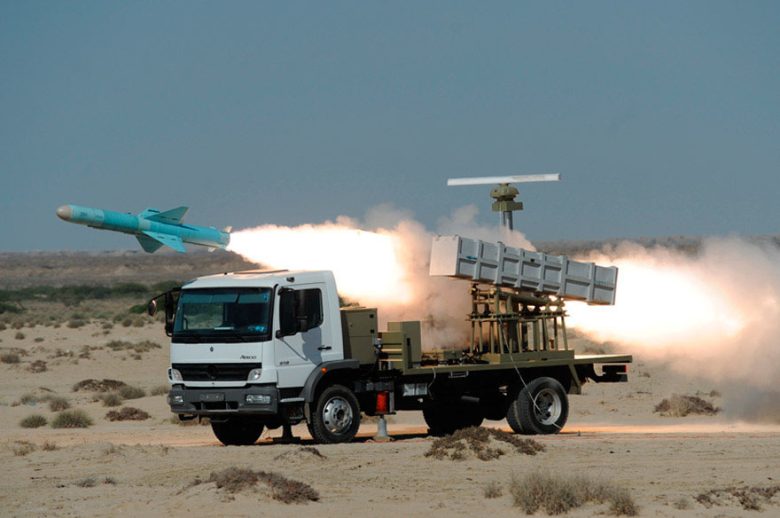
- Lead. Iran’s Islamic Revolutionary Guard Corps fired multiple ballistic missiles from Iranian territory toward U.S. military positions in the Middle East on July 28, CENTCOM confirmed, breaking a 24-hour diplomatic pause that Trump had announced the day before.
- Fact. All missiles were successfully intercepted. No U.S. casualties were reported. The attack was launched while Trump was meeting Israeli Prime Minister Netanyahu at the White House — a moment CENTCOM described as “an attempted surprise attack on U.S. forces based in the Middle East.”
- Stake. The IRGC salvo was followed within hours by joint U.S.-Saudi precision strikes on Iran-aligned militia sites across eastern Iraq, targeting weapons and logistics networks responsible for more than 30 drone attacks over the prior 72 hours. The episode ended any near-term ceasefire prospect and sent oil prices sharply higher on July 29.
The sequence began on July 27, when Trump declared there was “a good chance” of a diplomatic breakthrough and announced a unilateral pause in American airstrikes. That window closed in under 24 hours. At 5:45 p.m. ET on July 28, CENTCOM issued a statement confirming that the IRGC had launched multiple ballistic missiles from Iranian soil at U.S. forces across the region. “All missiles were successfully intercepted,” the statement read. “U.S. forces remain vigilant and at a high state of readiness.” Eighteen U.S. service members have been killed since hostilities began on February 28, 2026.
The attack unfolded during a scheduled meeting between Trump and Netanyahu at the White House — a setting that, combined with the IRGC’s choice to fire from Iranian territory rather than through proxies, underscored the deliberate nature of the salvo. CENTCOM called it “an attempted surprise attack,” language that suggests the timing and origin were designed to test American response posture during a period of diplomatic activity. For earlier coverage of how that pause developed, see Iran Signals Attack Halt as US Pauses 13-Day Strike Campaign.
Joint Retaliation Across Eastern Iraq
CENTCOM announced joint U.S.-Saudi precision strikes against what it described as “Iran-aligned terrorists” in eastern Iraq. The targets were weapons caches and logistics infrastructure linked to more than 30 IRGC-directed drone attacks conducted in the preceding 72 hours against U.S. and Saudi positions. The joint nature of the strikes — the first publicly confirmed Saudi military participation in retaliatory action since the current conflict began — marks an extension of the coalition actively engaged against Iranian-backed networks in the region.
Oil and the Strait
Oil markets moved immediately. Brent crude surged more than 4% toward $88 per barrel on July 29 as traders reversed the ceasefire-hope discount that had pushed prices lower earlier in the week. Iran-backed militia drones struck Saudi Arabia’s Eastern Region oil facilities for a second consecutive day, compounding supply-risk concerns. Trump separately stated in remarks on July 28 that “we control the Strait,” referring to the Strait of Hormuz, and that “not one ship has gotten to Iran during any time where we had the blockade.” Whether that control can be maintained against a widened proxy campaign across the Gulf remains the central question heading into the coming week.